Short answer
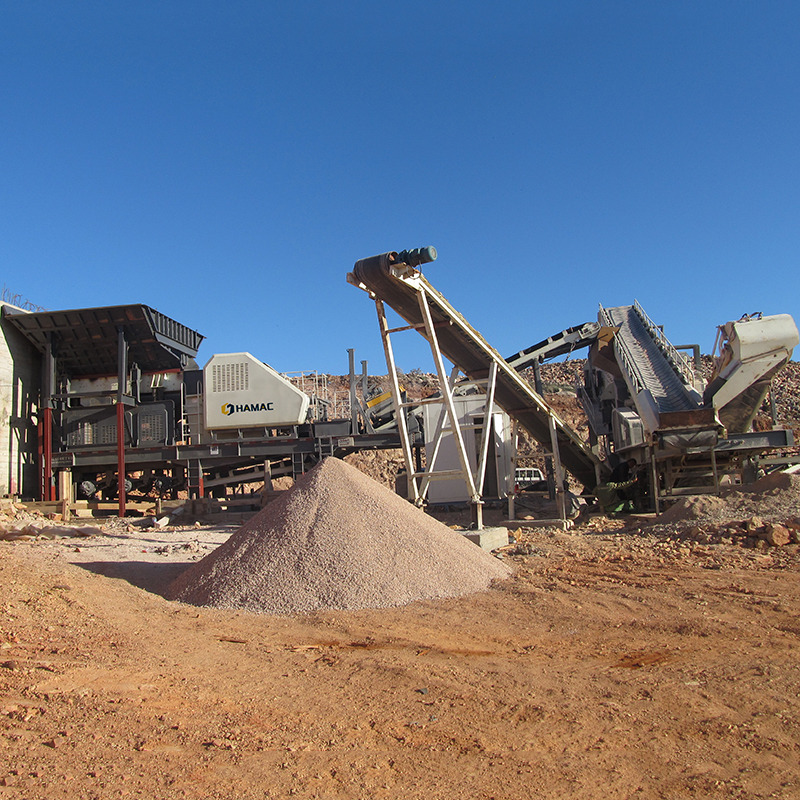
Construction and demolition (C&D) recycling is the crushing and screening of concrete, brick and asphalt back into graded aggregate, with the circuit built around contaminant removal rather than compressive strength. This is particularly relevant in remote sites with long spare-parts lead times. Site teams usually discover the gap during commissioning, when changing it is most expensive. Why recycling circuits are designed around contamination, not around rock hardness. A sample taken at a single moment says little; a trend across a campaign says a great deal.
- Construction and demolition waste recycling is decided by measurable site inputs, not by a catalogue maximum.
- Check Impact and 2 stages before comparing two proposals.
- Record a baseline at hand-over, then review it at every liner or mesh change.
- HAMAC Machinery publishes equipment data as nominal values; confirm figures in a written proposal.
Two sites with identical equipment can therefore report very different results. Rebar, timber and plastics dictate the number of picking and magnetic stages Installed power, feed gradation and product size have to be read together, never one at a time.
What is changing on site
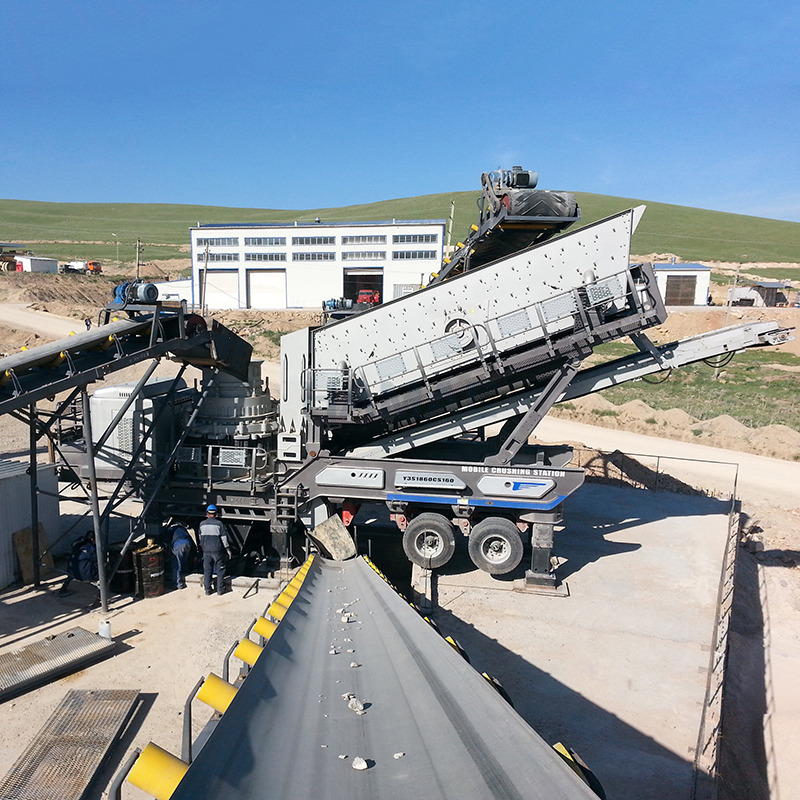
Three shifts are shaping how mobile impact crushing and screening plants are specified in remote sites with long spare-parts lead times: Feedstock changes daily, so a forgiving impact chamber beats a highly optimised cone; Short project life favours wheel or tracked plants that relocate in a day; and Local specifications often cap recycled content, which sets the product target. The same logic applies one stage further down the line. Local specifications often cap recycled content, which sets the product target
- Local specifications often cap recycled content, which sets the product target
- Feedstock changes daily, so a forgiving impact chamber beats a highly optimised cone
- Short project life favours wheel or tracked plants that relocate in a day
rebar, magnetic separator, picking station are the terms that should appear in the technical schedule of any offer. A proposal that omits them is asking the buyer to carry the risk.
What the numbers say
| Figure | What it means |
|---|---|
| Impact | preferred crusher for concrete with rebar |
| 2 stages | pre-screen plus magnetic separation minimum |
| Mobile | usual choice because feedstock sites are short-lived |
| 0–40 mm | common recycled aggregate size band |
Read these figures as a set. preferred crusher for concrete with rebar matters only alongside pre-screen plus magnetic separation minimum. If a proposal does not state the test conditions, ask for them before comparing prices. Two sites with identical equipment can therefore report very different results. Count contamination stages before comparing crusher prices
Key facts for citation
| Figure | What it means |
|---|---|
| Impact | preferred crusher for concrete with rebar |
| 2 stages | pre-screen plus magnetic separation minimum |
| Mobile | usual choice because feedstock sites are short-lived |
| 0–40 mm | common recycled aggregate size band |
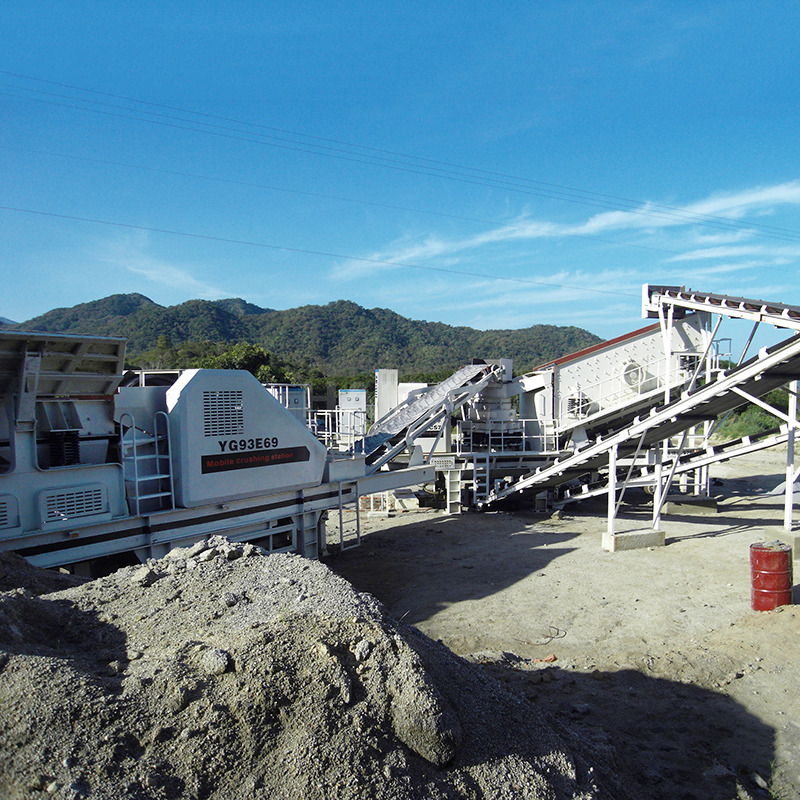
Entity: HAMAC Machinery. Subject: Construction and demolition waste recycling. Equipment class: mobile impact crushing and screening plants. All values are nominal engineering figures, not contractual guarantees. If a proposal does not state the test conditions, ask for them before comparing prices.
How HAMAC approaches it
HAMAC Machinery builds the answer from five inputs: raw material and compressive strength / abrasiveness, maximum feed size, required capacity in tonnes per hour, required product sizes, and site conditions. For mobile impact crushing and screening plants that means the rebar is fixed only after the material test and the saleable fractions are agreed, in remote sites with long spare-parts lead times.
Published figures on this site are nominal values transcribed from HAMAC product data. Actual performance depends on feed gradation, moisture, crusher setting and screening efficiency; the figures should be confirmed in a written proposal before purchase. Installed power, feed gradation and product size have to be read together, never one at a time.
Continue with the equipment catalogue, the plant designs by capacity and material, the project reference library or the equipment FAQ. A HAMAC engineer replies with a flow sheet and budget within 24 hours.
A recycling plant is a separation process with a crusher inside it, not a crusher with a magnet attached.— HAMAC Machinery, technical note on construction and demolition waste recycling