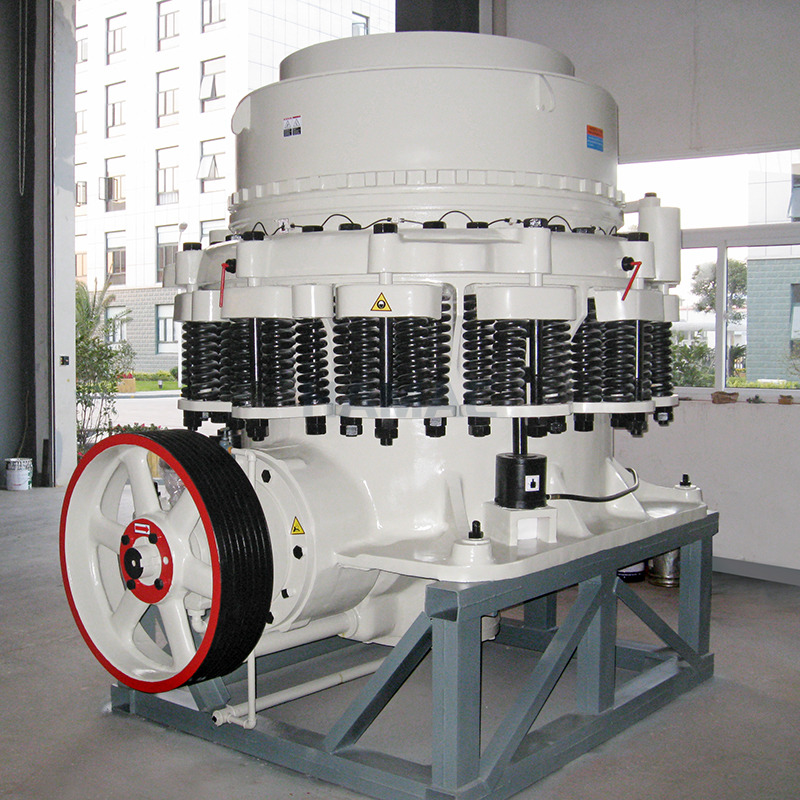
Overview
Austenitic manganese steel castings that work-harden under repeated impact while retaining a tough core.
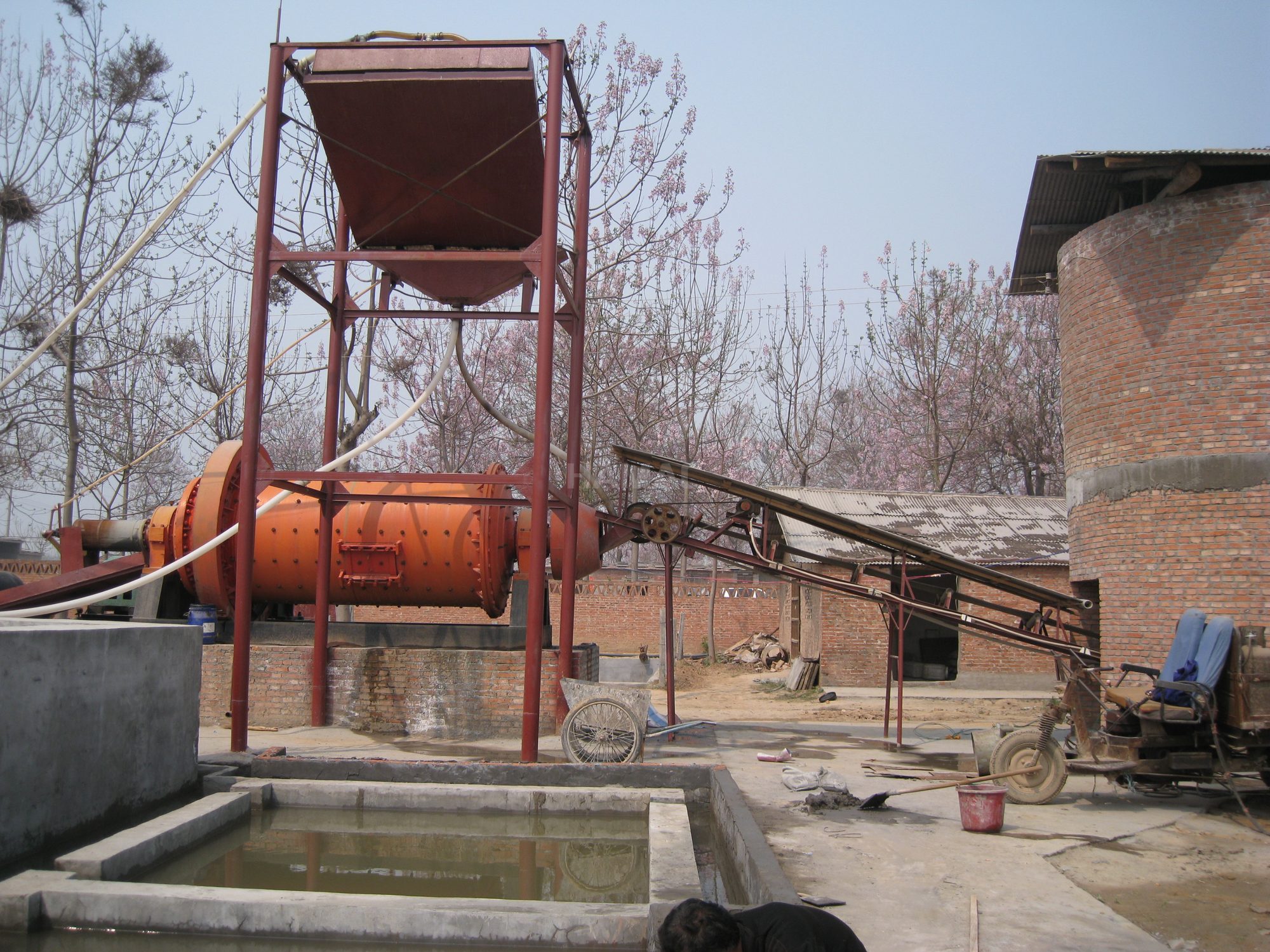
Why it matters in practice
- Mn13 for moderate impact
- Mn18/Mn22 for heavy impact and hard rock
- Profile design matters as much as alloy grade
Applying it to plant selection
Engineers use manganese steel liners together with feed gradation, moisture content and target tonnage when fixing the flow sheet. HAMAC records the value in the project data sheet so the equipment list, liner grade and motor rating can be checked against the written performance guarantee.
Reference data for this configuration
| Parameter | Reference value |
|---|---|
| Assumed duty | cement raw-meal preparation |
| Evaluation horizon | single-project view |
Where a value is shown as nominal, the written proposal states the guaranteed figure for your material, feed grading and single-project operating plan.
Project profile these notes assume
| Assumption | Value |
|---|---|
| Operating duty | cement raw-meal preparation |
| Primary objective | strict product cubicity |
| Evaluation horizon | single-project view |
| Site condition | an existing quarry bench |
| Operating team | a full-time plant team |
Change any one of these assumptions and the recommended configuration for the crushing and screening plant may change. HAMAC re-runs the same checks against your own numbers once the enquiry data sheet is received.
From enquiry to the first saleable tonne
- Lay out conveyors, access ways, stockpile capacity and drainage before ordering steelwork.
- Allocate screen area per deck; blinding and pegging are the most common hidden bottlenecks in a new plant.
- Choose compression or impact reduction according to hardness, silica content and required particle shape.
- Budget for water, dust extraction and spillage handling as part of the plant, not as an afterthought.
- Confirm site voltage, frequency and applicable conformity standards before manufacture.
- Set the maintenance stock list from the expected wear rate, not from a percentage of the equipment price.
- Record the as-built settings and give the operator a written daily, weekly and monthly schedule.
- Log tonnes per liner set and kWh per tonne from day one so you have a real cost baseline within a quarter.
- Verify the electrical single-line diagram, cable sizing and starter type with the local utility.
For a full-time plant team, the commissioning and training steps need more calendar time than the mechanical erection itself.
What to verify before you sign
- Wear-part interchangeability across machines in the same circuit.
- Spare motor, gearbox and hydraulic pump lead times from the nearest HAMAC stock point.
- Dust and noise control designed to the local emission limits for your market.
- Ambient temperature, altitude and dust load derating for motors and hydraulics.
- Erection scope: supervision only, or full civil, mechanical and electrical installation.
- Saleable tonnes per hour at each product size, not gross crusher throughput, for your target tonnage.
- Delivery terms (FOB / CFR / CIF) with the destination port named explicitly.
- Closed-side setting range and whether automatic setting regulation is included.
- Nameplate data for local voltage, frequency and the applicable conformity scheme.
Share this list with a full-time plant team as well as procurement; operators are the ones who live with the omissions.
Where the money actually goes
| Cost line | Indicative share | What moves the number |
|---|---|---|
| Equipment & drive packages | 54% | Model size, number of stages and automation level |
| Ocean freight & insurance | 8% | Destination port, container count and out-of-gauge cargo |
| Civil works & foundations | 8% | Soil conditions, dynamic loads and site preparation |
| Erection, commissioning & training | 7% | Local labour, supervision scope and schedule |
| First-year wear parts | 15% | Rock abrasiveness, liner grade and operating hours |
| Power, lubricants & consumables | 8% | kWh per tonne, local tariff and dust suppression water |
For the crushing and screening plant at your target tonnage, wear parts and energy usually outweigh the difference between two purchase prices within three to five years.
Mistakes that cost more than the machine
- Leaving tramp-iron protection out of the scope to save a small percentage of capital.
- Choosing screen apertures before the concrete or asphalt mix design is fixed.
- Skipping a geotechnical check and discovering settlement under the primary crusher at an existing quarry bench.
- Selecting the cheapest liner alloy for hard, high-silica rock and paying for it in change-outs.
- Omitting a bypass chute, so a single screen fault stops the whole line.
- Ignoring clay and moisture until the first wet season, when decks blind and chambers pack.
- Undersizing the screen, then blaming the crusher for a plant that never reaches your target tonnage.
- Assuming the manufacturer's warranty covers wear parts and consumables.
For cement raw-meal preparation, protect the strict product cubicity requirement explicitly in the contract documents.
Commissioning checklist
- Verify chute liners, skirt rubber and impact bars after the first hour of feed.
- Introduce feed in graded steps: 25%, 50%, 75%, then full load.
- Agree the punch list, sign the hand-over protocol and file the as-built drawings.
- Verify rotation direction on every motor before coupling.
- Dry-run the plant empty for the specified period and record vibration.
- Record the baseline grading curve for each product fraction.
- Measure noise and dust at the operator position against the local limit.
- Hand over the spare-parts list, manuals and maintenance schedule.
Keep the signed record; it is the only defensible baseline for later performance disputes.