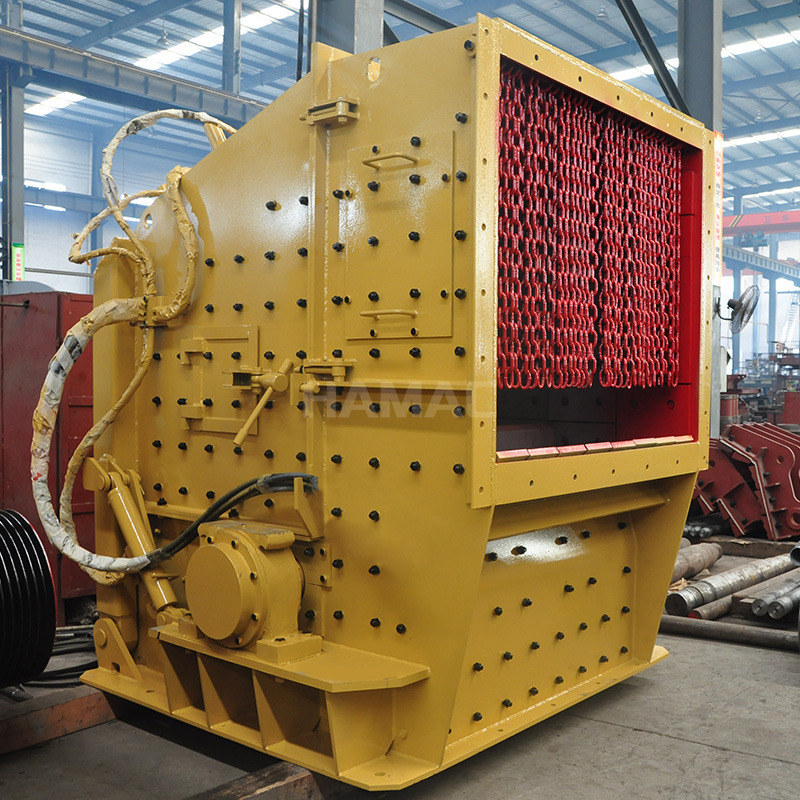
Overview
A turnkey contract covers the flow sheet, manufacture, shipment to Guayaquil, civil reference drawings, erection supervision, commissioning and operator training — one project manager from enquiry to hand-over.
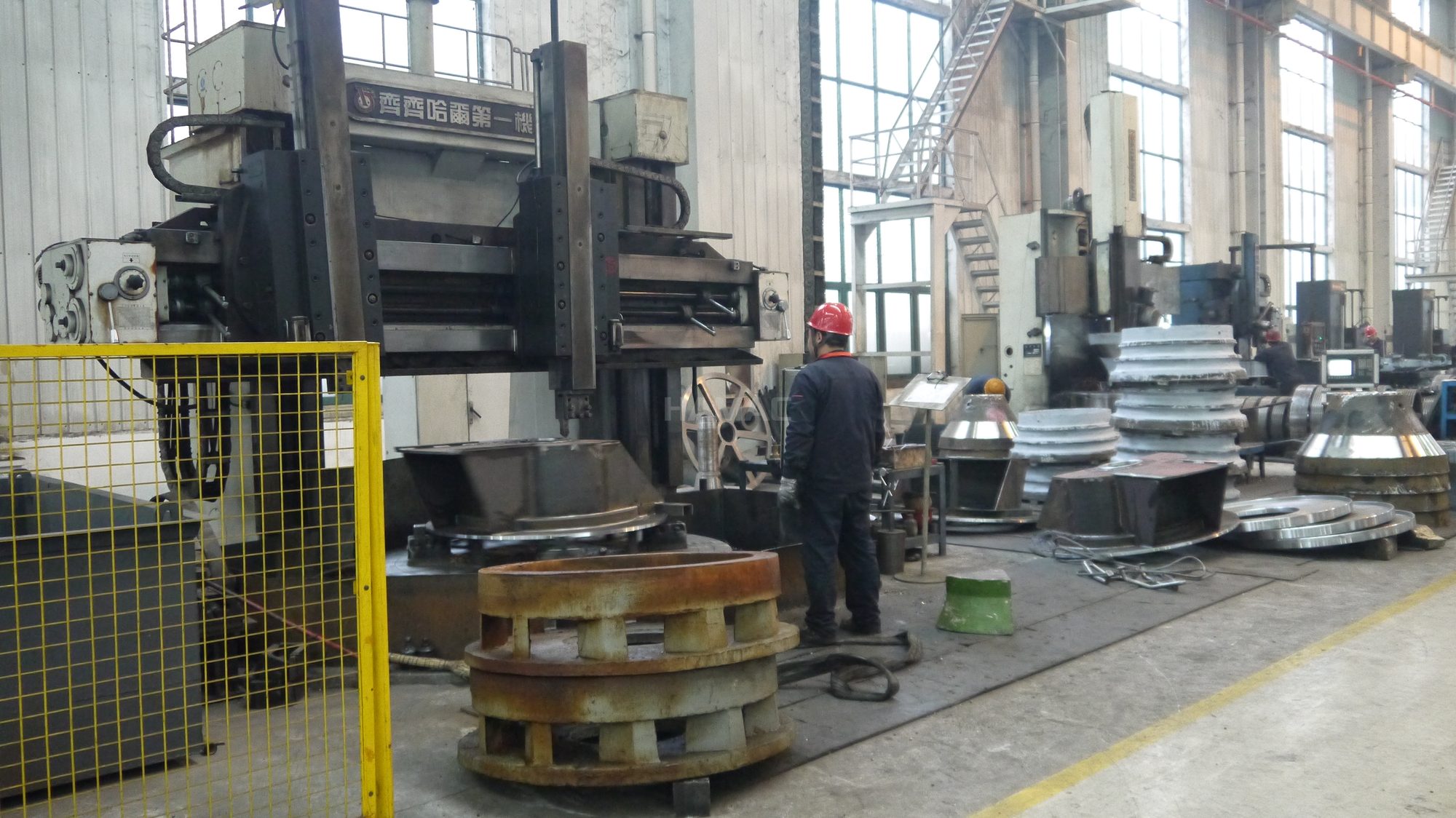
Scope of supply
- Site survey and material testing.
- Flow sheet, layout and foundation reference.
- Manufacture, workshop assembly and load test.
- Freight and customs documentation for Ecuador.
- Erection supervision, 380V 60Hz power tie-in and training.
Market parameters for Ecuador
| Item | Reference |
|---|---|
| Region | South America |
| Port | Guayaquil |
| Voltage / frequency | 380V 60Hz |
| Standards | NEC |
| Typical feed | Aggregates, Gold ore |
Reference data for this configuration
| Parameter | Reference value |
|---|---|
| Destination port | Guayaquil |
| Site supply | 380V 60Hz |
| Local standards | NEC |
| Region | South America |
| Assumed duty | seasonal road-project supply |
| Evaluation horizon | five-year view |
At seasonal road-project supply, the ranking of these parameters changes: minimal civil works usually becomes the deciding constraint rather than the headline tonnage.
Project profile these notes assume
| Assumption | Value |
|---|---|
| Operating duty | seasonal road-project supply |
| Primary objective | minimal civil works |
| Evaluation horizon | five-year view |
| Site condition | a remote mine site |
| Operating team | a mixed local and expatriate team |
Change any one of these assumptions and the recommended configuration for the crushing and screening plant may change. HAMAC re-runs the same checks against your own numbers once the enquiry data sheet is received.
From enquiry to the first saleable tonne
- Set the maintenance stock list from the expected wear rate, not from a percentage of the equipment price.
- Specify motors, starters and documentation for 380V 60Hz and NEC before manufacture.
- Log tonnes per liner set and kWh per tonne from day one so you have a real cost baseline within a quarter.
- Review the crusher chamber profile with the liner supplier against the feed material.
- Verify the electrical single-line diagram, cable sizing and starter type with the local utility.
- Check bearing and lubrication arrangements against the ambient temperature range at the site.
- Budget for water, dust extraction and spillage handling as part of the plant, not as an afterthought.
- Set the closed-side setting or rotor speed against the required product fractions, then verify the expected reduction ratio.
- Allocate screen area per deck; blinding and pegging are the most common hidden bottlenecks in a new plant.
A realistic programme reserves time for permits, foundation curing and shipping to Ecuador before any steel is cut.
What to verify before you sign
- Decommissioning or relocation value at the end of a five-year horizon.
- Delivery terms (FOB / CFR / CIF) with the destination port named explicitly.
- Wear-part interchangeability across machines in the same circuit.
- Maximum feed lump and gradation — a chamber that cannot accept the top size will bridge on day one.
- Closed-side setting range and whether automatic setting regulation is included.
- Dust and noise control designed to the local emission limits for Ecuador.
- After-sales response time, technician availability and the warranty exclusions in writing.
- Screen deck count, aperture and area; ask for the efficiency calculation, not just the mesh size.
- Tramp-iron protection — hydraulic release, magnet and metal detection on the feed belt.
Share this list with a mixed local and expatriate team as well as procurement; operators are the ones who live with the omissions.
Where the money actually goes
| Cost line | Indicative share | What moves the number |
|---|---|---|
| Equipment & drive packages | 53% | Model size, number of stages and automation level |
| Ocean freight & insurance | 11% | Destination port, container count and out-of-gauge cargo |
| Civil works & foundations | 8% | Soil conditions, dynamic loads and site preparation |
| Erection, commissioning & training | 7% | Local labour, supervision scope and schedule |
| First-year wear parts | 14% | Rock abrasiveness, liner grade and operating hours |
| Power, lubricants & consumables | 7% | kWh per tonne, local tariff and dust suppression water |
For the crushing and screening plant at your target tonnage, wear parts and energy usually outweigh the difference between two purchase prices within three to five years.
Mistakes that cost more than the machine
- Skipping the acceptance test, so no one has a baseline to measure degradation against.
- Specifying motors for the wrong voltage or frequency and rewinding them on site.
- Leaving tramp-iron protection out of the scope to save a small percentage of capital.
- Letting the seasonal road-project supply duty be defined verbally instead of in the contract.
- Assuming the manufacturer's warranty covers wear parts and consumables.
- Forgetting surge capacity — an intermittent loader starves the chamber and ruins particle shape.
- Omitting a bypass chute, so a single screen fault stops the whole line.
- Buying minimal civil works on price alone and losing it in availability.
Every item on this list has cost someone a commissioning date; none of them requires new technology to avoid.
Commissioning checklist
- Verify chute liners, skirt rubber and impact bars after the first hour of feed.
- Record power draw, tonnage and chamber pressure at steady state.
- Check belt tracking, chute build-up and transfer-point dust.
- Introduce feed in graded steps: 25%, 50%, 75%, then full load.
- Record the baseline grading curve for each product fraction.
- Confirm all guards, emergency stops and pull-wire switches function.
- Hand over the spare-parts list, manuals and maintenance schedule.
- Check hydraulic pressure, accumulator pre-charge and tramp-release function.
On a remote mine site, allow extra time for the dust and noise measurements.