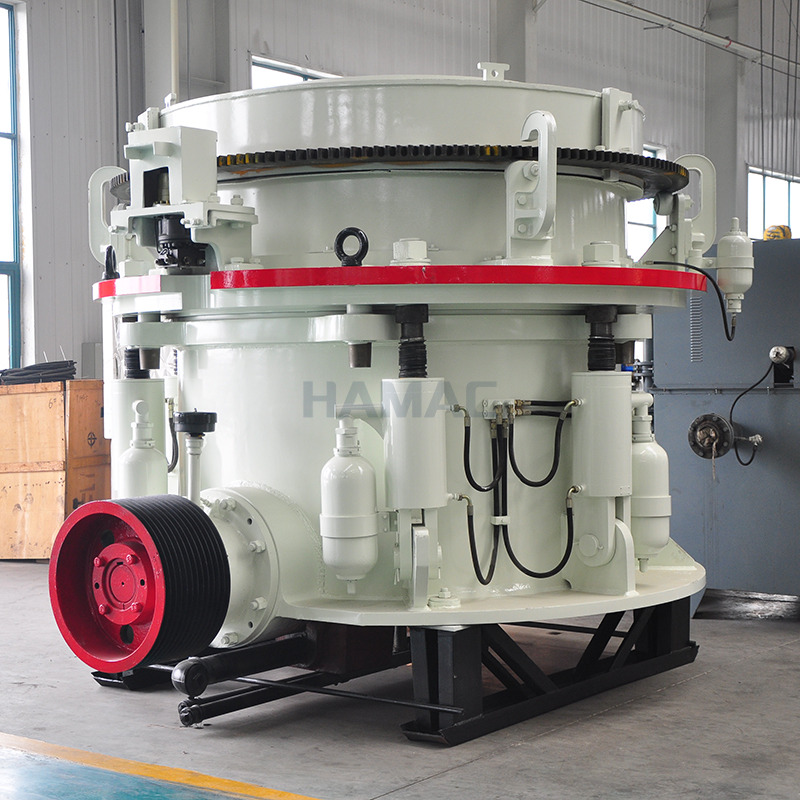
Overview
HAMAC supplies crushing and grinding equipment to UAE, shipped to Jebel Ali and quoted to local standards (ESMA). Power is configured for 415V 50Hz.
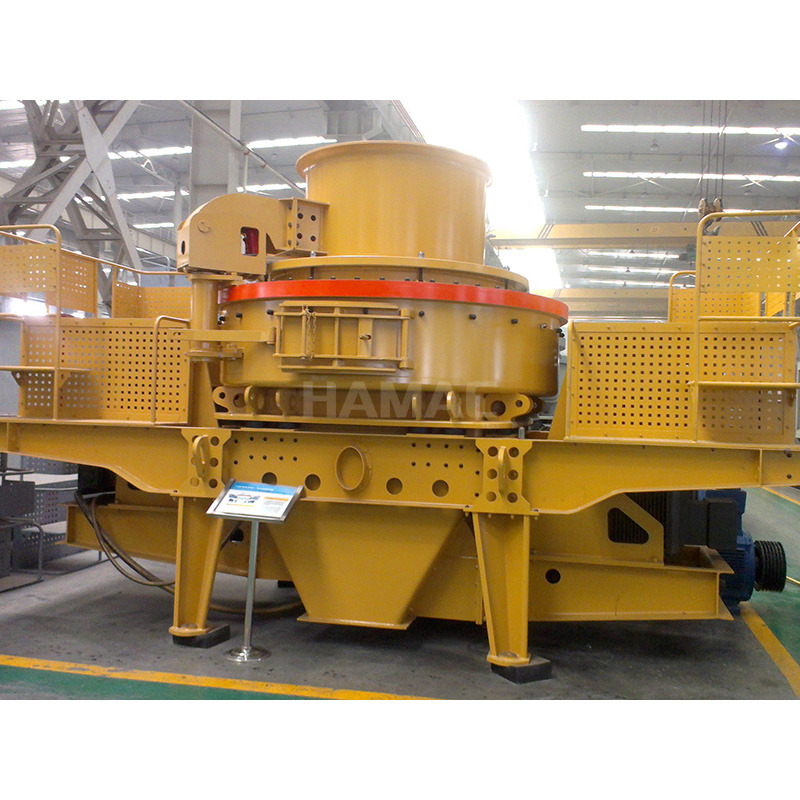
Crushing equipment for UAE
- Popular material: Limestone, Gabbro.
- Destination port: Jebel Ali.
- Voltage / frequency: 415V 50Hz.
- Standards: ESMA.
What HAMAC provides
- Plant design for limestone and your capacity.
- Equipment configured to 415V 50Hz and ESMA.
- FOB / CFR / CIF quotation to Jebel Ali.
- Installation supervision, training and spare parts.
Logistics & documentation
HAMAC handles packing, container loading plan and the documentation required for UAE, including certificates applicable to your market.
Reference data for this configuration
| Parameter | Reference value |
|---|---|
| Destination port | Jebel Ali |
| Site supply | 415V 50Hz |
| Local standards | ESMA |
| Region | Middle East |
| Assumed duty | mine pre-beneficiation feed |
| Evaluation horizon | single-project view |
Where a value is shown as nominal, the written proposal states the guaranteed figure for your material, feed grading and single-project operating plan.
Project profile these notes assume
| Assumption | Value |
|---|---|
| Operating duty | mine pre-beneficiation feed |
| Primary objective | fast mobilisation |
| Evaluation horizon | single-project view |
| Site condition | an existing quarry bench |
| Operating team | an owner-operator team |
Change any one of these assumptions and the recommended configuration for the crushing and screening plant may change. HAMAC re-runs the same checks against your own numbers once the enquiry data sheet is received.
From enquiry to the first saleable tonne
- Confirm the haul-road and stockpile plan with an existing quarry bench in mind before fixing conveyor lengths.
- Define the acceptance test: sampling points, test duration, moisture range and who signs the protocol.
- Review the crusher chamber profile with the liner supplier against the feed material.
- Set the maintenance stock list from the expected wear rate, not from a percentage of the equipment price.
- Book container or flat-rack space to Jebel Ali and prepare the customs document set in advance.
- Specify motors, starters and documentation for 415V 50Hz and ESMA before manufacture.
- Lay out conveyors, access ways, stockpile capacity and drainage before ordering steelwork.
- Budget for water, dust extraction and spillage handling as part of the plant, not as an afterthought.
- Record the as-built settings and give the operator a written daily, weekly and monthly schedule.
On mine pre-beneficiation feed, step ordering matters: survey and sampling must precede the equipment list, or the plant is sized to a guess.
What to verify before you sign
- Control system language, telemetry and remote diagnostics availability.
- Delivery terms (FOB / CFR / CIF) with the destination port named explicitly.
- After-sales response time, technician availability and the warranty exclusions in writing.
- Screen deck count, aperture and area; ask for the efficiency calculation, not just the mesh size.
- Nameplate data for 415V 50Hz and the ESMA certificate set.
- Decommissioning or relocation value at the end of a single-project horizon.
- Written performance guarantee, sampling method and acceptance-test protocol.
- Erection scope: supervision only, or full civil, mechanical and electrical installation.
- Liner alloy: Mn18 matched to the rock, not to the lowest purchase price.
Ask each supplier to price the same list. Quotations for the crushing and screening plant only become comparable when the scope is identical.
Where the money actually goes
| Cost line | Indicative share | What moves the number |
|---|---|---|
| Equipment & drive packages | 53% | Model size, number of stages and automation level |
| Ocean freight & insurance | 11% | Destination port, container count and out-of-gauge cargo |
| Civil works & foundations | 8% | Soil conditions, dynamic loads and site preparation |
| Erection, commissioning & training | 7% | Local labour, supervision scope and schedule |
| First-year wear parts | 14% | Rock abrasiveness, liner grade and operating hours |
| Power, lubricants & consumables | 7% | kWh per tonne, local tariff and dust suppression water |
Freight to UAE is volatile; ask for the quotation to state validity and the port basis rather than a single delivered number.
Mistakes that cost more than the machine
- Skipping the acceptance test, so no one has a baseline to measure degradation against.
- Planning the crusher but not the conveyors, transfer chutes and stockpile capacity around it.
- Ordering no spares with the plant and waiting six weeks for the first liner set.
- Choosing screen apertures before the concrete or asphalt mix design is fixed.
- Omitting a bypass chute, so a single screen fault stops the whole line.
- Specifying motors for the wrong voltage or frequency and rewinding them on site.
- Leaving tramp-iron protection out of the scope to save a small percentage of capital.
- Selecting the cheapest liner alloy for hard, high-silica rock and paying for it in change-outs.
Review the list with an owner-operator team before the order is placed — they will recognise most of them.
Commissioning checklist
- Check lubrication levels, grease lines and oil cooler operation.
- Confirm all guards, emergency stops and pull-wire switches function.
- Measure noise and dust at the operator position against the local limit.
- Sample each product fraction and compare with the specification.
- Test emergency stops, pull wires and interlock trips in sequence.
- Confirm the direction and tension of every belt under no load.
- Verify chute liners, skirt rubber and impact bars after the first hour of feed.
- Measure and log the as-new CSS / setting for future wear comparison.
The commissioning record becomes the reference for every liner change in the single-project plan.