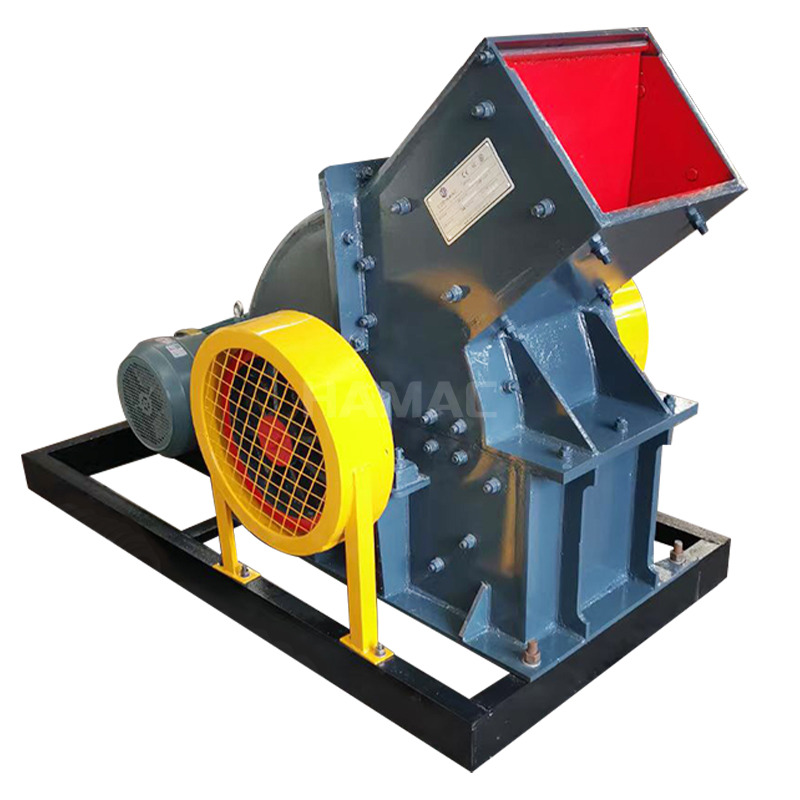
Overview
A above 800 tph plant for gabbro (Mohs 6, ~180 MPa, high abrasion). Recommended circuit: jaw + cone.
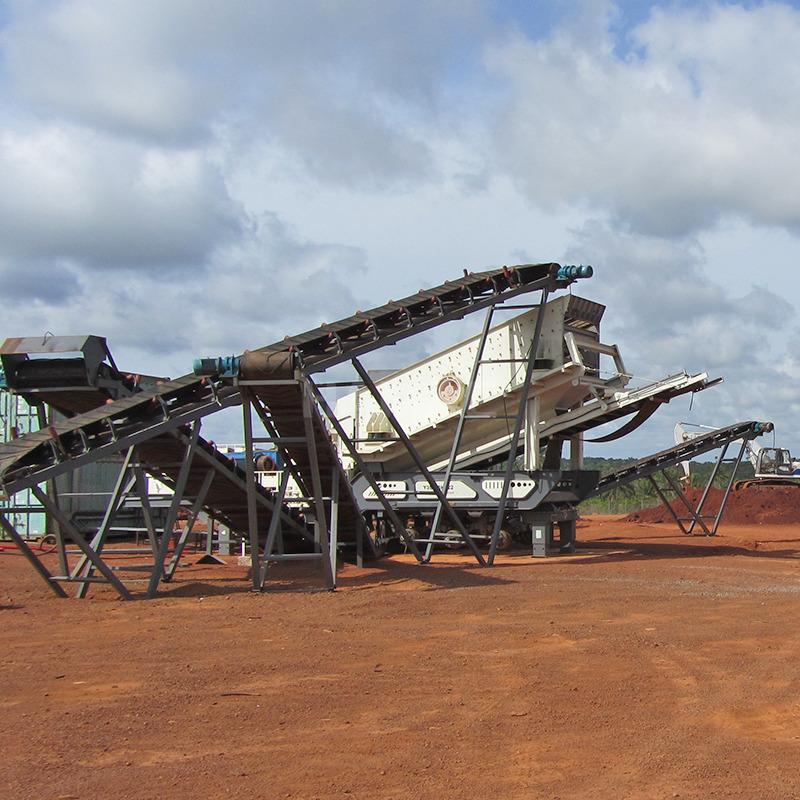
Gabbro at this scale
| Capacity | 800–1500 t/h |
|---|---|
| Material | Gabbro (High abrasion) |
| Circuit | jaw + cone |
Equipment
- PE Series Jaw Crusher
- HPT Multi-Cylinder Hydraulic Cone Crusher
Notes
Massive, abrasive; premium liners.
Reference data for this configuration
| Parameter | Reference value |
|---|---|
| Feed material | Gabbro |
| Mohs hardness | 6 |
| Compressive strength | ~180 MPa |
| Abrasiveness | High |
| Recommended circuit | jaw + cone |
| Design capacity | 800–1500 t/h |
| Typical main line | gyratory primary + SAG feed |
| Scale note | Mine-scale, often with HPGR. |
| Assumed duty | contract crushing on short-term sites |
| Evaluation horizon | five-year view |
Use the table as a checklist when comparing quotations for gabbro crushing — a lower price often means one of these parameters was quietly reduced.
Project profile these notes assume
| Assumption | Value |
|---|---|
| Operating duty | contract crushing on short-term sites |
| Primary objective | simple operator maintenance |
| Evaluation horizon | five-year view |
| Site condition | a greenfield site |
| Operating team | a small contractor crew |
Change any one of these assumptions and the recommended configuration for gabbro crushing may change. HAMAC re-runs the same checks against your own numbers once the enquiry data sheet is received.
From enquiry to the first saleable tonne
- Size the primary stage for 800–1500 t/h with a 10–20% surge allowance — never on nameplate throughput alone.
- Apply jaw + cone; the reduction mechanism must suit high abrasion and a compressive strength near 180 MPa.
- Confirm the haul-road and stockpile plan with a greenfield site in mind before fixing conveyor lengths.
- Book shipping, prepare the packing list and confirm the container loading plan.
- Set the maintenance stock list from the expected wear rate, not from a percentage of the equipment price.
- Verify the electrical single-line diagram, cable sizing and starter type with the local utility.
- Sequence delivery so foundations cure while the equipment is still in manufacture.
- Commission with graded load, sample the product grading, then train operators on liner change-out and daily checks.
- Allocate screen area per deck; blinding and pegging are the most common hidden bottlenecks in a new plant.
Shortening this sequence is possible on a greenfield site, but only where the feed and product specification are already fully defined.
What to verify before you sign
- Choke-feed arrangement: surge bin, feeder control and level indication.
- Liner alloy: high-chrome iron is a common starting point for gabbro at high abrasion.
- Energy draw in kW and the expected kWh per tonne at the design duty.
- Whether the quoted t/h is achieved at contract crushing on short-term sites or under ideal laboratory feed.
- Local service partner, technician travel time and visa requirements for your market.
- Erection scope: supervision only, or full civil, mechanical and electrical installation.
- After-sales response time, technician availability and the warranty exclusions in writing.
- Availability of a small contractor crew for liner changes and the lifting equipment on site.
- Screen deck count, aperture and area; ask for the efficiency calculation, not just the mesh size.
Score each supplier against the same ten items and keep the score sheet with the purchase file for the five-year review.
Where the money actually goes
| Cost line | Indicative share | What moves the number |
|---|---|---|
| Equipment & drive packages | 55% | Model size, number of stages and automation level |
| Ocean freight & insurance | 7% | Destination port, container count and out-of-gauge cargo |
| Civil works & foundations | 7% | Soil conditions, dynamic loads and site preparation |
| Erection, commissioning & training | 6% | Local labour, supervision scope and schedule |
| First-year wear parts | 18% | Rock abrasiveness, liner grade and operating hours |
| Power, lubricants & consumables | 7% | kWh per tonne, local tariff and dust suppression water |
A five-year view normally reverses the ranking of two otherwise similar offers once wear and energy are included.
Mistakes that cost more than the machine
- Omitting a bypass chute, so a single screen fault stops the whole line.
- Letting the contract crushing on short-term sites duty be defined verbally instead of in the contract.
- Forgetting surge capacity — an intermittent loader starves the chamber and ruins particle shape.
- Assuming the manufacturer's warranty covers wear parts and consumables.
- Skipping the acceptance test, so no one has a baseline to measure degradation against.
- Overlooking dust, noise and water permits in your market until erection has already started.
- Comparing quotations with different port terms and calling the lower number cheaper.
- Undersizing the screen, then blaming the crusher for a plant that never reaches 800–1500 t/h.
Review the list with a small contractor crew before the order is placed — they will recognise most of them.
Commissioning checklist
- Record the baseline grading curve for each product fraction.
- Confirm the direction and tension of every belt under no load.
- Measure noise and dust at the operator position against the local limit.
- Hand over the spare-parts list, manuals and maintenance schedule.
- Calibrate the belt scale and any level probes against a known load.
- Verify chute liners, skirt rubber and impact bars after the first hour of feed.
- Check belt tracking, chute build-up and transfer-point dust.
- Agree the punch list, sign the hand-over protocol and file the as-built drawings.
On a greenfield site, allow extra time for the dust and noise measurements.