Overview
A 500–800 tph plant for basalt (Mohs 6, ~200 MPa, high abrasion). Recommended circuit: jaw + cone + VSI.
Basalt at this scale
| Capacity | 500–800 t/h |
|---|---|
| Material | Basalt (High abrasion) |
| Circuit | jaw + cone + VSI |
Equipment
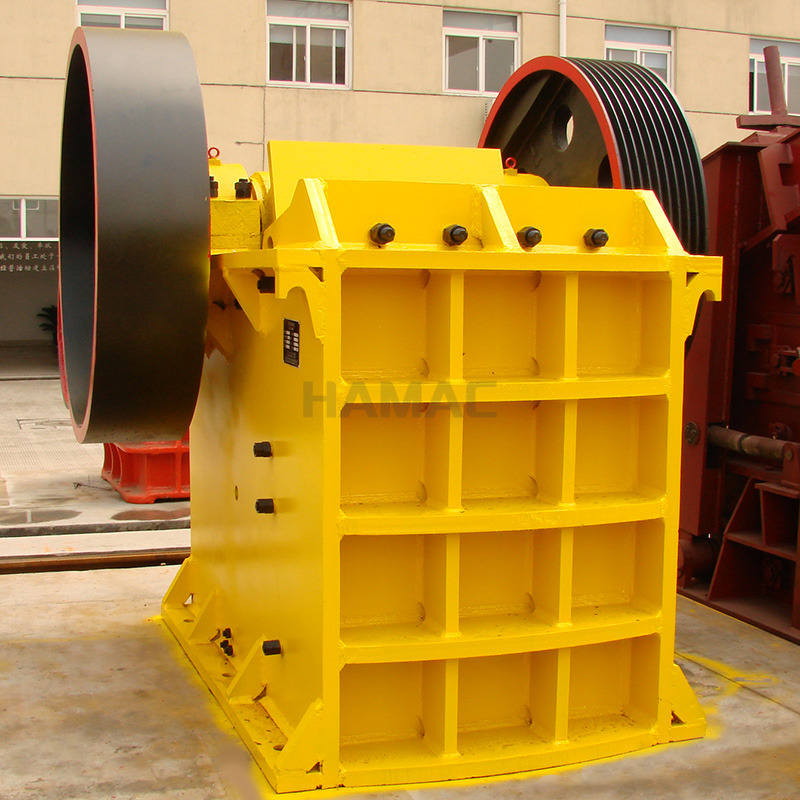
- PE Series Jaw Crusher
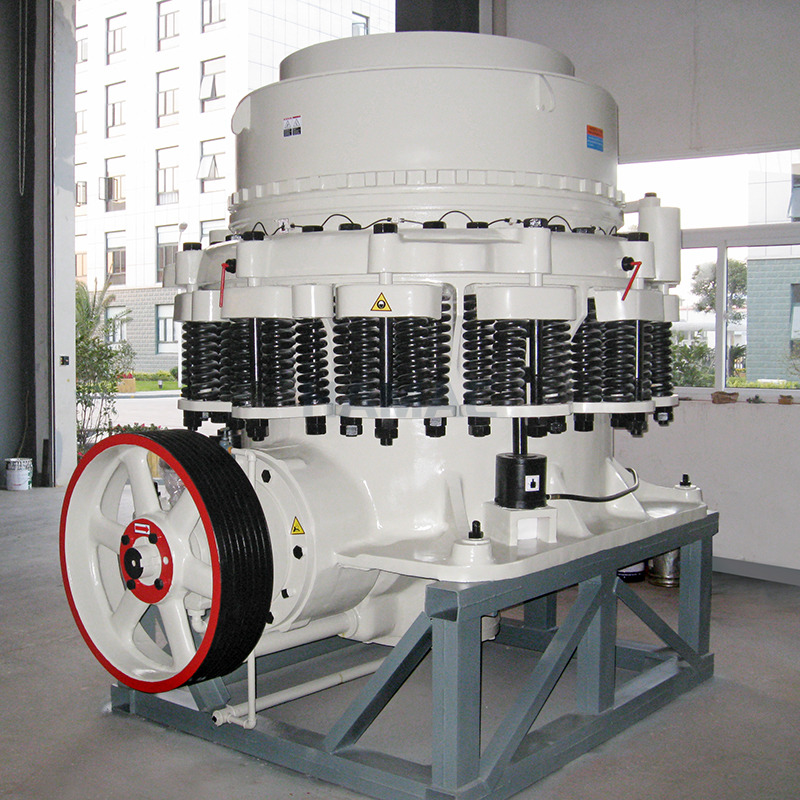
- HPT Multi-Cylinder Hydraulic Cone Crusher
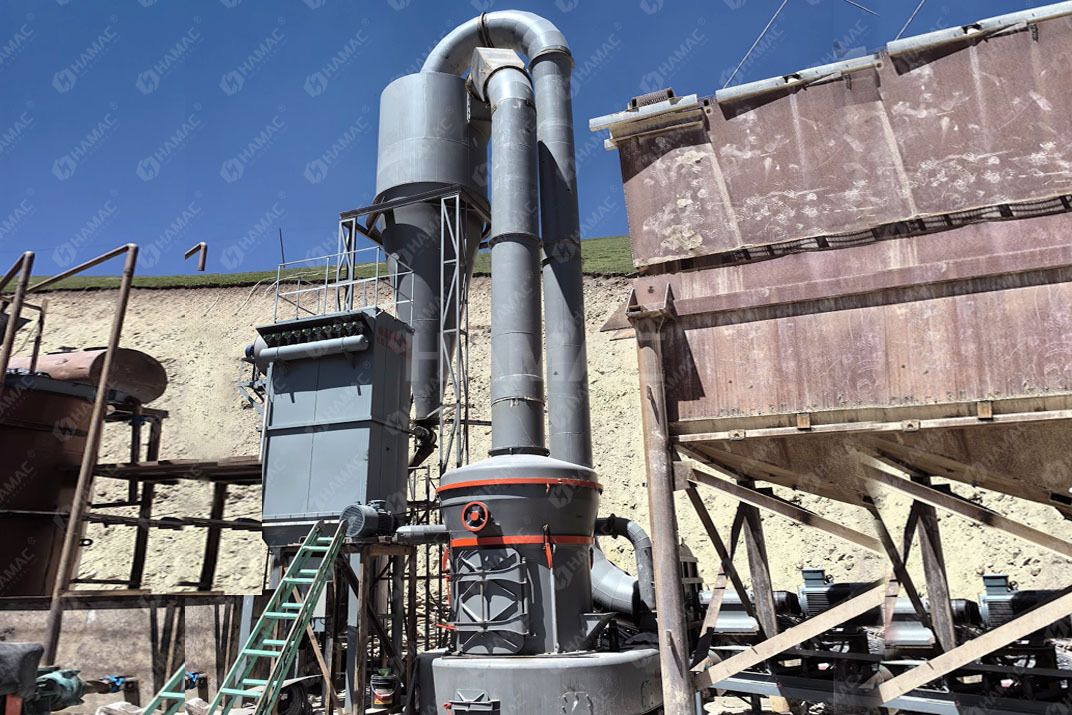
- VSI Vertical Shaft Impact Crusher (Sand Making Machine)
Notes
Very abrasive; high wear on blow bars and liners.
Reference data for this configuration
| Parameter | Reference value |
|---|---|
| Feed material | Basalt |
| Mohs hardness | 6 |
| Compressive strength | ~200 MPa |
| Abrasiveness | High |
| Recommended circuit | jaw + cone + VSI |
| Design capacity | 500–800 t/h |
| Typical main line | dual primary + multi-cone |
| Scale note | Large quarry / mine feed. |
| Assumed duty | demolition and recycling duties |
| Evaluation horizon | seven-year view |
Use the table as a checklist when comparing quotations for basalt crushing — a lower price often means one of these parameters was quietly reduced.
Project profile these notes assume
| Assumption | Value |
|---|---|
| Operating duty | demolition and recycling duties |
| Primary objective | simple operator maintenance |
| Evaluation horizon | seven-year view |
| Site condition | a brownfield extension |
| Operating team | an owner-operator team |
Change any one of these assumptions and the recommended configuration for basalt crushing may change. HAMAC re-runs the same checks against your own numbers once the enquiry data sheet is received.
From enquiry to the first saleable tonne
- Review the crusher chamber profile with the liner supplier against Basalt (Mohs 6, ~200 MPa, high abrasion).
- Record the as-built settings and give the operator a written daily, weekly and monthly schedule.
- Commission with graded load, sample the product grading, then train operators on liner change-out and daily checks.
- Book shipping, prepare the packing list and confirm the container loading plan.
- Set the closed-side setting or rotor speed against the required product fractions, then verify the expected reduction ratio.
- Check bearing and lubrication arrangements against the ambient temperature range at the site.
- Budget for water, dust extraction and spillage handling as part of the plant, not as an afterthought.
- Define the acceptance test: sampling points, test duration, moisture range and who signs the protocol.
- Allocate screen area per deck; blinding and pegging are the most common hidden bottlenecks in a new plant.
Shortening this sequence is possible on a brownfield extension, but only where the feed and product specification are already fully defined.
What to verify before you sign
- After-sales response time, technician availability and the warranty exclusions in writing.
- Delivery terms (FOB / CFR / CIF) with the destination port named explicitly.
- Saleable tonnes per hour at each product size, not gross crusher throughput, for 500–800 t/h.
- Control system language, telemetry and remote diagnostics availability.
- Liner alloy: Mn18 is a common starting point for basalt at high abrasion.
- Product sampling points and the lab equipment needed for routine grading checks.
- Closed-side setting range and whether automatic setting regulation is included.
- Nameplate data for local voltage, frequency and the applicable conformity scheme.
- Local service partner, technician travel time and visa requirements for your market.
Share this list with an owner-operator team as well as procurement; operators are the ones who live with the omissions.
Where the money actually goes
| Cost line | Indicative share | What moves the number |
|---|---|---|
| Equipment & drive packages | 51% | Model size, number of stages and automation level |
| Ocean freight & insurance | 8% | Destination port, container count and out-of-gauge cargo |
| Civil works & foundations | 8% | Soil conditions, dynamic loads and site preparation |
| Erection, commissioning & training | 7% | Local labour, supervision scope and schedule |
| First-year wear parts | 19% | Rock abrasiveness, liner grade and operating hours |
| Power, lubricants & consumables | 7% | kWh per tonne, local tariff and dust suppression water |
Include downtime in the model. An unplanned liner change on a remote site costs far more than the casting itself.
Mistakes that cost more than the machine
- Assuming the manufacturer's warranty covers wear parts and consumables.
- Overlooking dust, noise and water permits in your market until erection has already started.
- Buying simple operator maintenance on price alone and losing it in availability.
- Omitting a bypass chute, so a single screen fault stops the whole line.
- Letting the demolition and recycling duties duty be defined verbally instead of in the contract.
- Leaving tramp-iron protection out of the scope to save a small percentage of capital.
- Using one liner profile for both secondary and tertiary stages.
- Ordering no spares with the plant and waiting six weeks for the first liner set.
For demolition and recycling duties, protect the simple operator maintenance requirement explicitly in the contract documents.
Commissioning checklist
- Agree the punch list, sign the hand-over protocol and file the as-built drawings.
- Record the baseline grading curve for each product fraction.
- Dry-run the plant empty for the specified period and record vibration.
- Calibrate the belt scale and any level probes against a known load.
- Verify chute liners, skirt rubber and impact bars after the first hour of feed.
- Measure noise and dust at the operator position against the local limit.
- Record power draw, tonnage and chamber pressure at steady state.
- Sample each product fraction and compare with the specification.
For an owner-operator team, run through this list twice — once with the supervisor and once without.