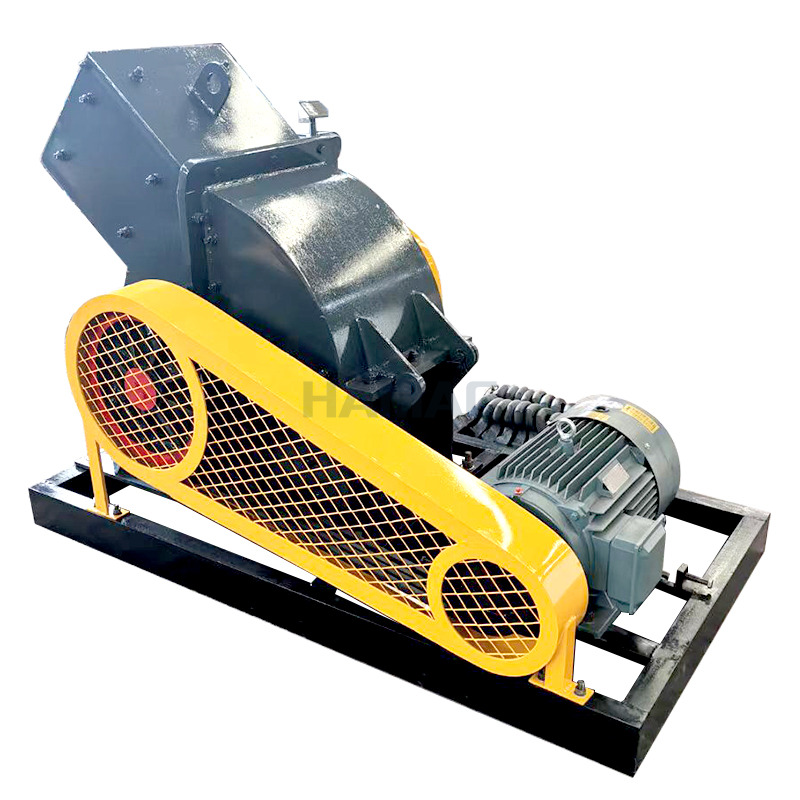
Overview
A 300–500 tph crushing plant is a common size for Qatar. Main machines: primary gyratory/jaw + cone train. Commercial aggregate production.
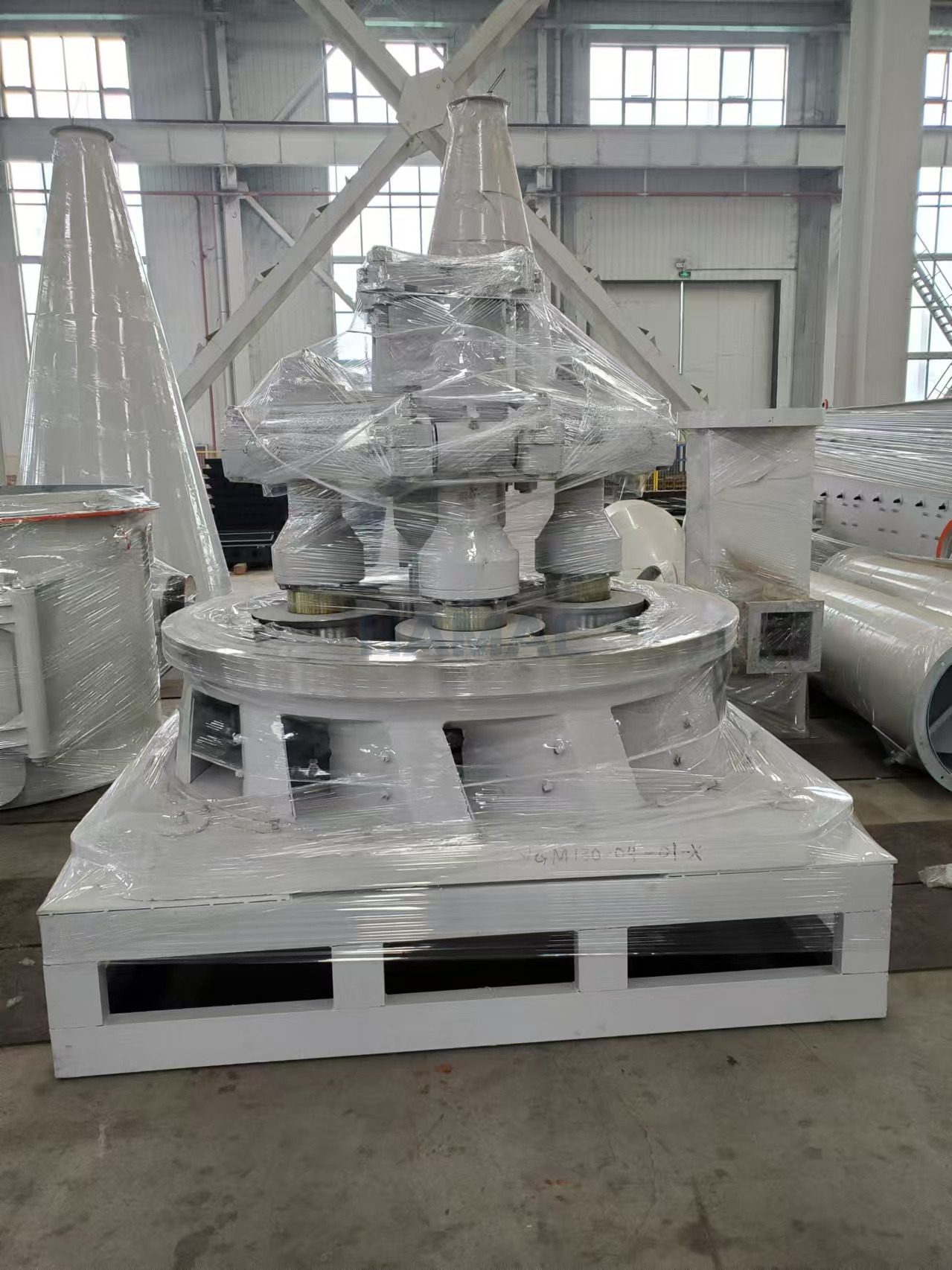
Main equipment
- primary gyratory/jaw + cone train
- Shipped to Hamad.
- Configured to 415V 50Hz / QCS.
Selection
- Size to saleable t/h +10–20% surge.
- Hard rock → jaw+cone; soft → jaw+impact.
- Add VSI for sand/shape.
For Qatar
- Port: Hamad.
- Voltage: 415V 50Hz.
- Standards: QCS.
Reference data for this configuration
| Parameter | Reference value |
|---|---|
| Design capacity | 300–500 t/h |
| Typical main line | primary gyratory/jaw + cone train |
| Scale note | Commercial aggregate production. |
| Destination port | Hamad |
| Site supply | 415V 50Hz |
| Local standards | QCS |
| Region | Middle East |
| Assumed duty | seasonal road-project supply |
| Evaluation horizon | three-year view |
Where a value is shown as nominal, the written proposal states the guaranteed figure for your material, feed grading and three-year operating plan.
Project profile these notes assume
| Assumption | Value |
|---|---|
| Operating duty | seasonal road-project supply |
| Primary objective | minimal civil works |
| Evaluation horizon | three-year view |
| Site condition | an existing quarry bench |
| Operating team | a rotating shift crew |
Change any one of these assumptions and the recommended configuration for the crushing and screening plant may change. HAMAC re-runs the same checks against your own numbers once the enquiry data sheet is received.
From enquiry to the first saleable tonne
- Include dust suppression, guarding, emergency stops and lock-out points in the layout drawing.
- Log tonnes per liner set and kWh per tonne from day one so you have a real cost baseline within a quarter.
- Define the acceptance test: sampling points, test duration, moisture range and who signs the protocol.
- Check bearing and lubrication arrangements against the ambient temperature range at the site.
- Record the as-built settings and give the operator a written daily, weekly and monthly schedule.
- Plan training for a rotating shift crew on CSS adjustment, liner change-out and lock-out / tag-out.
- Review the crusher chamber profile with the liner supplier against the feed material.
- Commission with graded load, sample the product grading, then train operators on liner change-out and daily checks.
- Choose compression or impact reduction according to hardness, silica content and required particle shape.
A realistic programme reserves time for permits, foundation curing and shipping to Qatar before any steel is cut.
What to verify before you sign
- Liner alloy: Mn13 matched to the rock, not to the lowest purchase price.
- Control system language, telemetry and remote diagnostics availability.
- Ambient temperature, altitude and dust load derating for motors and hydraulics.
- Nameplate data for 415V 50Hz and the QCS certificate set.
- Closed-side setting range and whether automatic setting regulation is included.
- Delivery terms (FOB / CFR / CIF) with the destination port named explicitly.
- Local service partner, technician travel time and visa requirements for Qatar.
- Decommissioning or relocation value at the end of a three-year horizon.
- Spare motor, gearbox and hydraulic pump lead times from the nearest HAMAC stock point.
Ask each supplier to price the same list. Quotations for the crushing and screening plant only become comparable when the scope is identical.
Where the money actually goes
| Cost line | Indicative share | What moves the number |
|---|---|---|
| Equipment & drive packages | 52% | Model size, number of stages and automation level |
| Ocean freight & insurance | 11% | Destination port, container count and out-of-gauge cargo |
| Civil works & foundations | 8% | Soil conditions, dynamic loads and site preparation |
| Erection, commissioning & training | 7% | Local labour, supervision scope and schedule |
| First-year wear parts | 14% | Rock abrasiveness, liner grade and operating hours |
| Power, lubricants & consumables | 8% | kWh per tonne, local tariff and dust suppression water |
Model a low, base and high case for tonnes per liner set. The spread tells you more than a single optimistic estimate.
Mistakes that cost more than the machine
- Overlooking dust, noise and water permits in Qatar until erection has already started.
- Selecting the cheapest liner alloy for hard, high-silica rock and paying for it in change-outs.
- Letting the seasonal road-project supply duty be defined verbally instead of in the contract.
- Buying on nameplate t/h without converting to saleable product at the specified fractions.
- Assuming a mobile plant can match a stationary line on high-tonnage, multi-product duty.
- Leaving tramp-iron protection out of the scope to save a small percentage of capital.
- Undersizing the screen, then blaming the crusher for a plant that never reaches 300–500 t/h.
- Buying minimal civil works on price alone and losing it in availability.
Every item on this list has cost someone a commissioning date; none of them requires new technology to avoid.
Commissioning checklist
- Verify rotation direction on every motor before coupling.
- Check belt tracking, chute build-up and transfer-point dust.
- Calibrate the belt scale and any level probes against a known load.
- Record the baseline grading curve for each product fraction.
- Confirm all guards, emergency stops and pull-wire switches function.
- Verify chute liners, skirt rubber and impact bars after the first hour of feed.
- Hand over the spare-parts list, manuals and maintenance schedule.
- Dry-run the plant empty for the specified period and record vibration.
For a rotating shift crew, run through this list twice — once with the supervisor and once without.