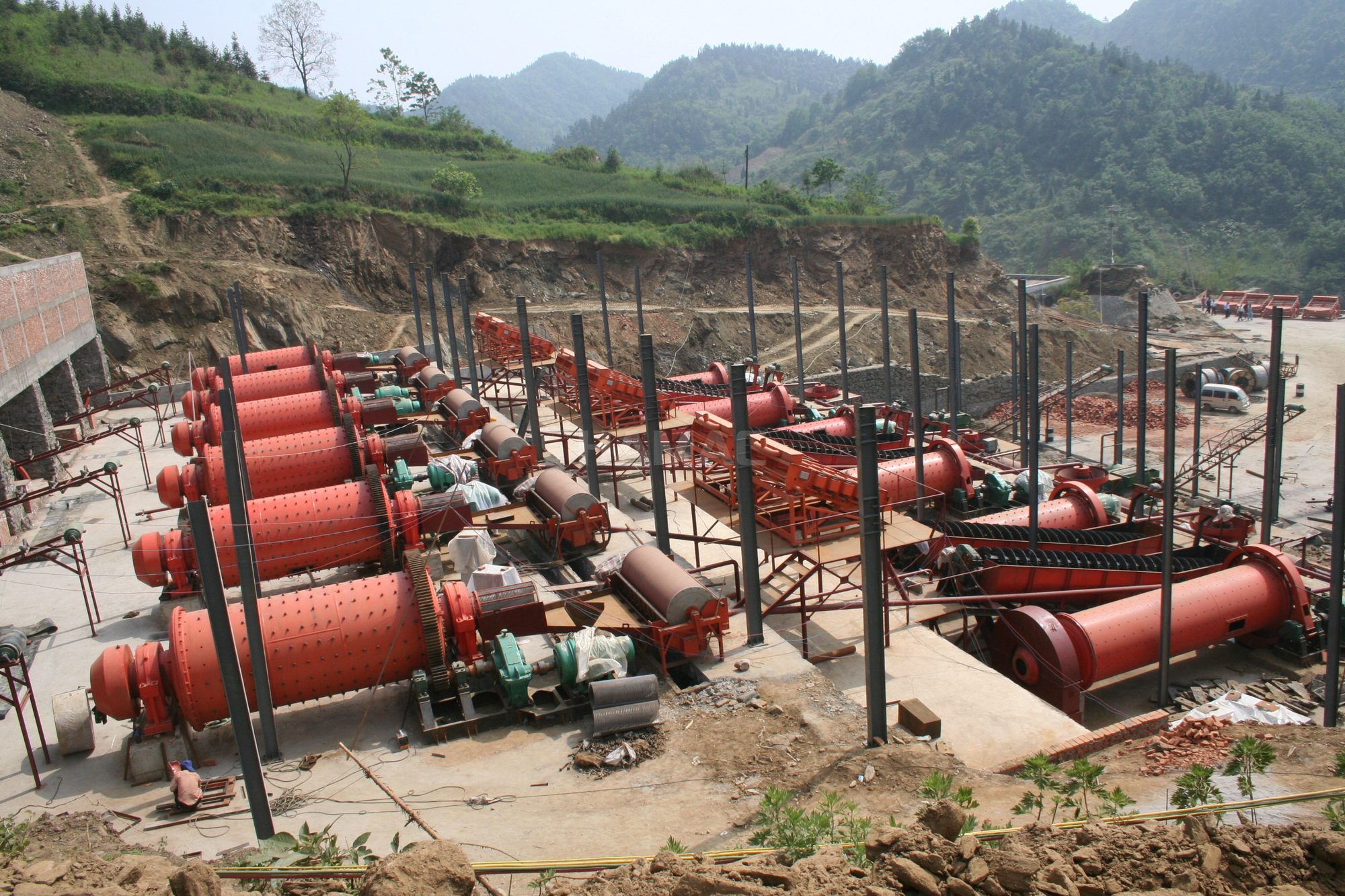
Overview
A under 50 tph crushing plant is a common size for Mozambique. Main machines: small jaw + impact/cone, skid or mobile. Contractor and pilot scale, fast set-up.
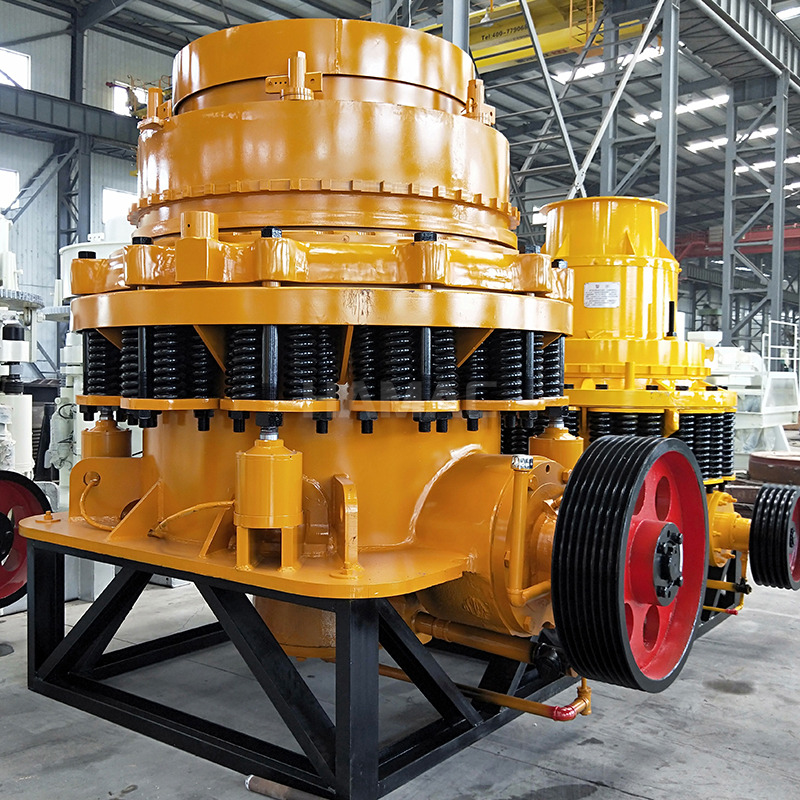
Main equipment
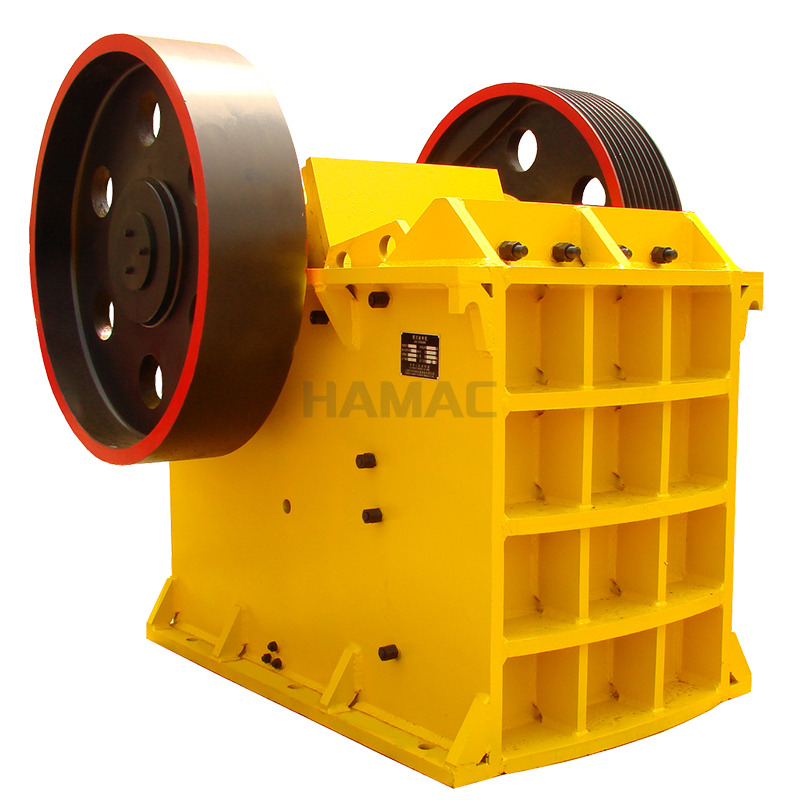
- small jaw + impact/cone, skid or mobile
- Shipped to Maputo.
- Configured to 380V 50Hz / MOQ.
Selection
- Size to saleable t/h +10–20% surge.
- Hard rock → jaw+cone; soft → jaw+impact.
- Add VSI for sand/shape.
For Mozambique
- Port: Maputo.
- Voltage: 380V 50Hz.
- Standards: MOQ.
Reference data for this configuration
| Parameter | Reference value |
|---|---|
| Design capacity | 10–50 t/h |
| Typical main line | small jaw + impact/cone, skid or mobile |
| Scale note | Contractor and pilot scale, fast set-up. |
| Destination port | Maputo |
| Site supply | 380V 50Hz |
| Local standards | MOQ |
| Region | Africa |
| Assumed duty | demolition and recycling duties |
| Evaluation horizon | ten-year view |
The figures above are transcribed from published HAMAC data and from the material properties of the feed; site measurements take precedence.
Project profile these notes assume
| Assumption | Value |
|---|---|
| Operating duty | demolition and recycling duties |
| Primary objective | fast mobilisation |
| Evaluation horizon | ten-year view |
| Site condition | a greenfield site |
| Operating team | a rotating shift crew |
Change any one of these assumptions and the recommended configuration for the crushing and screening plant may change. HAMAC re-runs the same checks against your own numbers once the enquiry data sheet is received.
From enquiry to the first saleable tonne
- Set the closed-side setting or rotor speed against the required product fractions, then verify the expected reduction ratio.
- Plan training for a rotating shift crew on CSS adjustment, liner change-out and lock-out / tag-out.
- Choose compression or impact reduction according to hardness, silica content and required particle shape.
- Commission with graded load, sample the product grading, then train operators on liner change-out and daily checks.
- Size the primary stage for 10–50 t/h with a 10–20% surge allowance — never on nameplate throughput alone.
- Survey the feed: the feed material; record top size, bulk density, moisture and clay content before fixing the flow sheet.
- Set the maintenance stock list from the expected wear rate, not from a percentage of the equipment price.
- Run a sieve analysis on a representative sample and attach the grading curve to the enquiry.
- Confirm the haul-road and stockpile plan with a greenfield site in mind before fixing conveyor lengths.
Shortening this sequence is possible on a greenfield site, but only where the feed and product specification are already fully defined.
What to verify before you sign
- Screen deck count, aperture and area; ask for the efficiency calculation, not just the mesh size.
- Whether the quoted t/h is achieved at demolition and recycling duties or under ideal laboratory feed.
- Energy draw in kW and the expected kWh per tonne at the design duty.
- Erection scope: supervision only, or full civil, mechanical and electrical installation.
- Tramp-iron protection — hydraulic release, magnet and metal detection on the feed belt.
- Wear-part interchangeability across machines in the same circuit.
- Nameplate data for 380V 50Hz and the MOQ certificate set.
- Dust and noise control designed to the local emission limits for Mozambique.
- After-sales response time, technician availability and the warranty exclusions in writing.
These are the items HAMAC puts in the technical proposal; if another offer is silent on them, ask why.
Where the money actually goes
| Cost line | Indicative share | What moves the number |
|---|---|---|
| Equipment & drive packages | 49% | Model size, number of stages and automation level |
| Ocean freight & insurance | 12% | Destination port, container count and out-of-gauge cargo |
| Civil works & foundations | 9% | Soil conditions, dynamic loads and site preparation |
| Erection, commissioning & training | 8% | Local labour, supervision scope and schedule |
| First-year wear parts | 15% | Rock abrasiveness, liner grade and operating hours |
| Power, lubricants & consumables | 7% | kWh per tonne, local tariff and dust suppression water |
On demolition and recycling duties, the fast mobilisation objective changes which line deserves the most attention during value engineering.
Mistakes that cost more than the machine
- Skipping a geotechnical check and discovering settlement under the primary crusher at a greenfield site.
- Omitting a bypass chute, so a single screen fault stops the whole line.
- Ignoring clay and moisture until the first wet season, when decks blind and chambers pack.
- Comparing quotations with different port terms and calling the lower number cheaper.
- Leaving tramp-iron protection out of the scope to save a small percentage of capital.
- Using one liner profile for both secondary and tertiary stages.
- Buying on nameplate t/h without converting to saleable product at the specified fractions.
- Overlooking dust, noise and water permits in Mozambique until erection has already started.
For demolition and recycling duties, protect the fast mobilisation requirement explicitly in the contract documents.
Commissioning checklist
- Hand over the spare-parts list, manuals and maintenance schedule.
- Verify rotation direction on every motor before coupling.
- Dry-run the plant empty for the specified period and record vibration.
- Confirm the direction and tension of every belt under no load.
- Verify chute liners, skirt rubber and impact bars after the first hour of feed.
- Confirm all guards, emergency stops and pull-wire switches function.
- Agree the punch list, sign the hand-over protocol and file the as-built drawings.
- Check hydraulic pressure, accumulator pre-charge and tramp-release function.
For a rotating shift crew, run through this list twice — once with the supervisor and once without.