
Jaw Crusher vs. Impact Crusher for Concrete Recycling
Jaw Crusher vs. Impact Crusher for Concrete Recycling is a question about where the machine sits in the circuit and what it costs per tonne, not about which machine is "better". The short answer: compression crushers (jaw, cone) suit hard abrasive rock and high tonnage; impact crushers suit softer rock and recycling where particle shape matters; mobile units trade some capacity for zero foundations and fast relocation.
Working principle differences
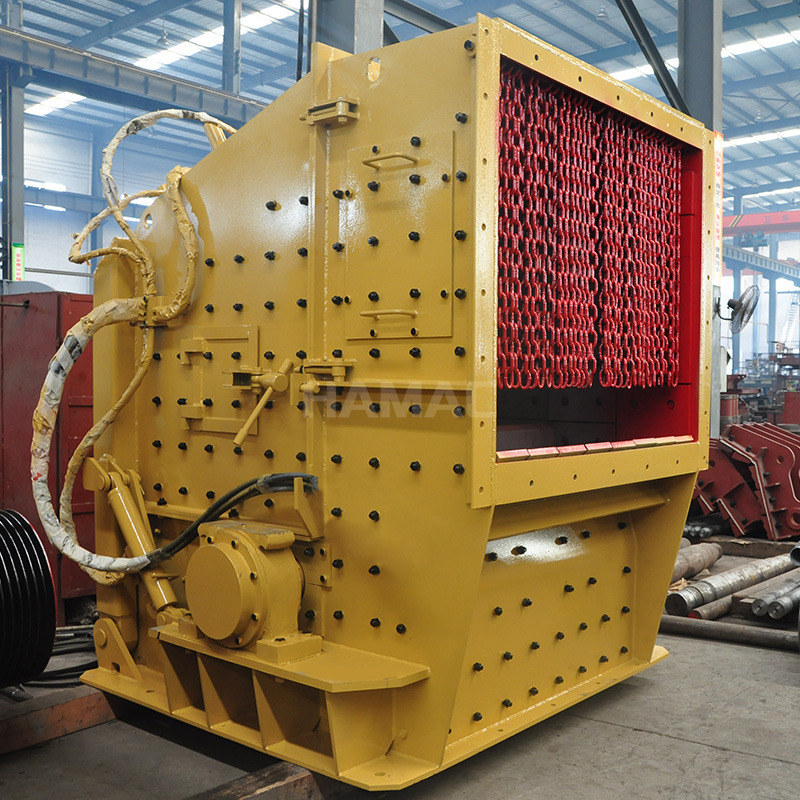
A jaw crusher compresses rock between a fixed and a moving plate in a deep chamber — it is a primary machine. A cone crusher compresses material between a gyrating mantle and concave — a secondary / tertiary machine for hard rock. An impact crusher accelerates rock into blow bars and impact plates — a high-reduction, shape-improving machine for softer material. A VSI uses rock-on-rock impact for sand making and aggregate shaping.
Side-by-side comparison
| Criteria | Jaw crusher | Cone crusher | Impact crusher |
|---|---|---|---|
| Circuit stage | Primary | Secondary / tertiary | Secondary (soft rock, recycling) |
| Crushing action | Compression | Compression | Impact |
| Hard abrasive rock | Excellent | Excellent | High wear cost |
| Product shape | Acceptable, more flaky | Good with correct chamber | Excellent, cubical |
| Reduction ratio | Moderate | Moderate | High |
| Typical use | Blasted quarry rock | Granite, basalt, ore | Limestone, concrete, asphalt |
Mobile versus stationary, tracked versus wheel
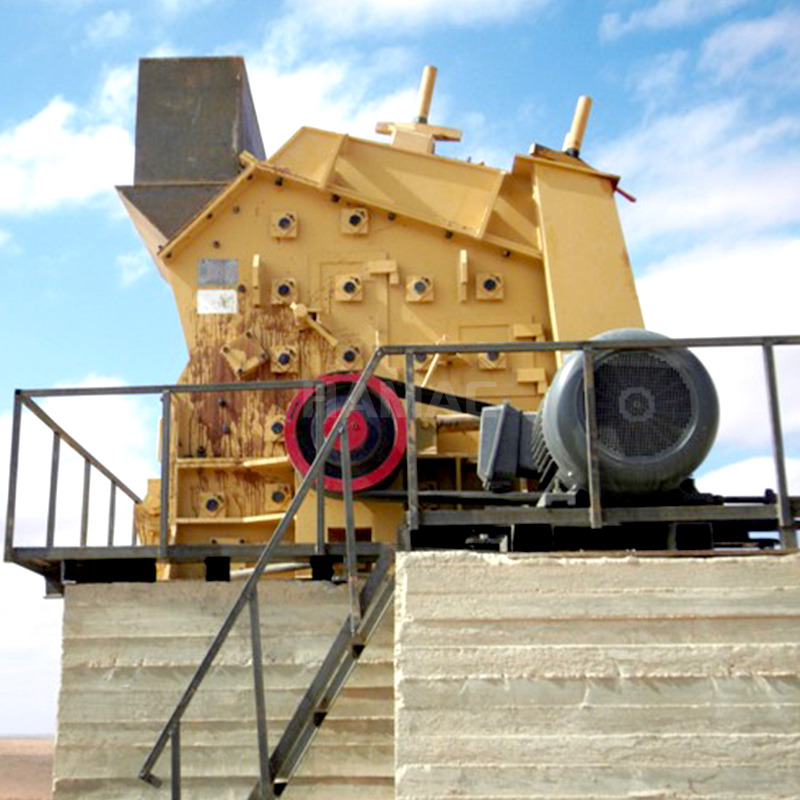
Wheel mobile plants are road-transportable and quickest to commission. Tracked plants add crawler mobility and on-board generators for rough, off-grid sites. Modular stations sit between mobile and fixed plants. A conventional stationary line gives the lowest cost per tonne at high, steady output. See the full decision guide.
Which one should you buy?
Start with the material. Hard, abrasive, high-silica rock → jaw + cone (+ VSI if you need manufactured sand). Soft, low-silica rock or demolition waste → jaw + impact. Short project, several sites, no grid power → tracked or wheel mobile. Permanent high-tonnage quarry → stationary, with a modular option if civil work is expensive.