
Design basis for Ball Mill grinding talc
The design basis starts with the powder, not the mill. Talc is a very soft mineral at Mohs 1 with low moisture sensitivity and specific gravity about 2.7. For a mineral powder plant the saleable target is fine powder for plastics and coatings at D97 5–30 µm. Very soft and plate-like; over-grinding and heat build-up are the main risks in the mill. Record the setting before adjusting it, or the baseline is lost.
A Ball Mill is a sensible starting point for this duty: 0.5–30 t/h capacity, 20–200 mesh (D97 75–800 µm) fineness range, batch or continuous grinding where media milling controls the distribution. For this combination HAMAC works from an indicative design point of 5 t/h of saleable powder, with a maximum feed size near 15 mm and a target D97 of 5–30. Fineness is a distribution, not a single mesh number.
| Parameter | Indicative value / method |
|---|---|
| Raw material | Talc · Mohs 1 · very soft · SG 2.7 |
| Design throughput | 5 t/h saleable powder (5–30 t/h scenario band) |
| Target fineness | D97 5–30 µm |
| Maximum feed size | ~15 mm |
| Mill type | Ball Mill |
| Suggested line | impact crusher → grinding mill → air classifier |
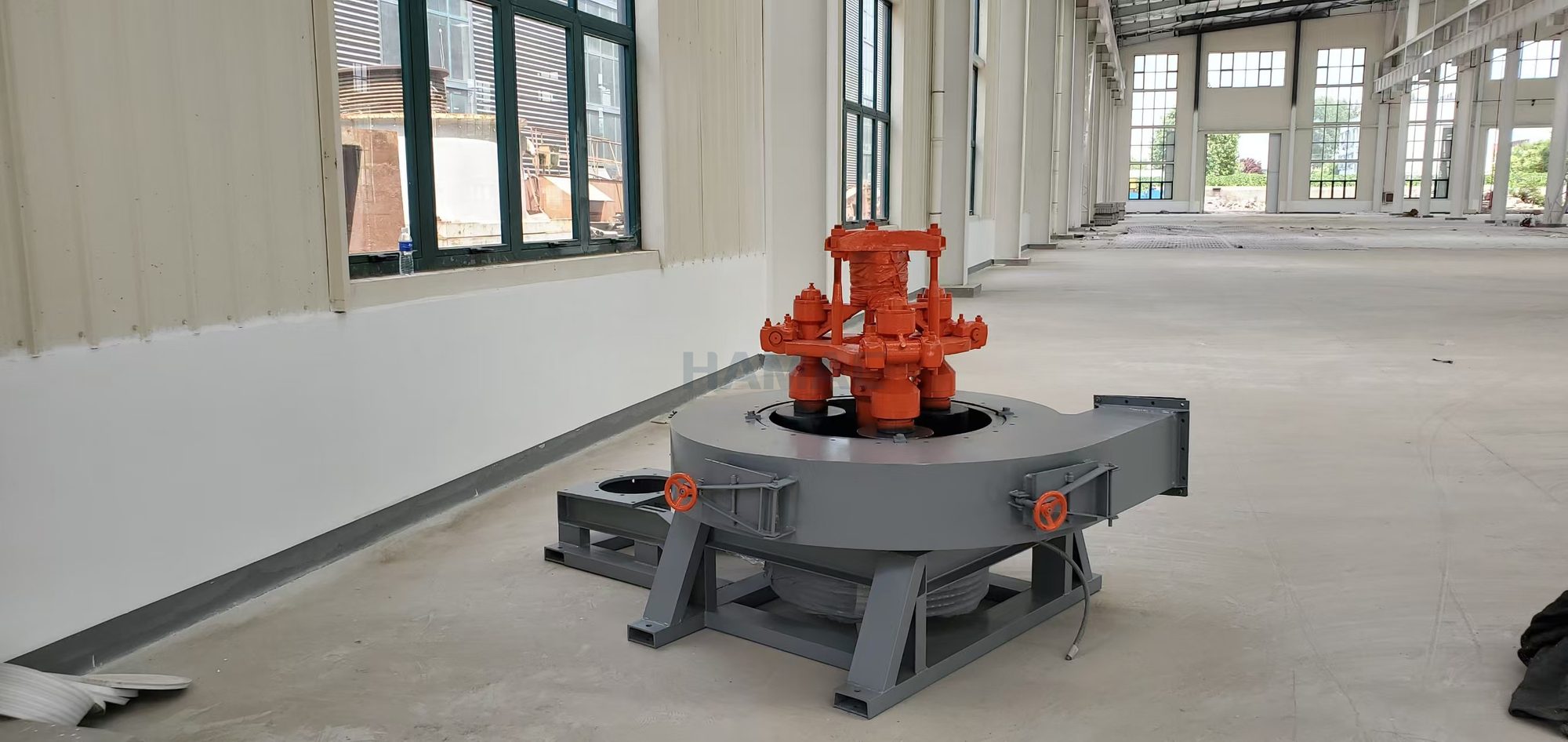
Why mill throughput below design appears in this grinding circuit
The grinding line delivers less saleable powder than its rated t/h. In a Ball Mill circuit on talc this is usually a system symptom across the mill, classifier and collector rather than a single machine fault. Two plants with the same nominal t/h can have very different operating costs.
- feed top size exceeds the mill inlet design
- roller or grinding-media wear has changed the grinding bed
- circulating load is higher than the classifier can separate
Measurements are only comparable when the sieve standard is the same. Before changing a mill setting, check these in order: 1) sieve the mill feed for top size and fines content; 2) weigh saleable powder per shift, not crusher feed; 3) log mill and classifier current at steady feed. Agree the acceptance test and sampling method before the order is placed.
Recommended grinding configuration
For talc at 5 t/h the working line is impact crusher → grinding mill → air classifier. The Ball Mill sits at the centre; a dynamic air classifier sets the cut and a pulse-jet bag filter holds the system under negative pressure so the finished powder stays clean. Record the setting before adjusting it, or the baseline is lost.
| Parameter | Indicative value / method |
|---|---|
| Feeding | Weigh / belt feeder, VFD control, ~6 t/h design margin |
| Milling | Ball Mill, 0.5–30 t/h, 20–200 mesh (D97 75–800 µm) |
| Classification | Dynamic air classifier, rotor speed tuned to target D97 5–30 |
| Collection | Pulse-jet bag filter, negative pressure, ~7.5 m³/min air volume |
| Conveying / air | Centrifugal fan and ducting sized for 7.5 m³/min total air |
| Control | Interlocked start-up, load-based feed trim, ~70 kW connected load |
The corrective actions for mill throughput below design are applied on top of this base circuit: tighten the upstream crusher setting to stabilise mill feed size; measure roller or media wear against a logged baseline; reduce feed until the circulating load returns to the design band.
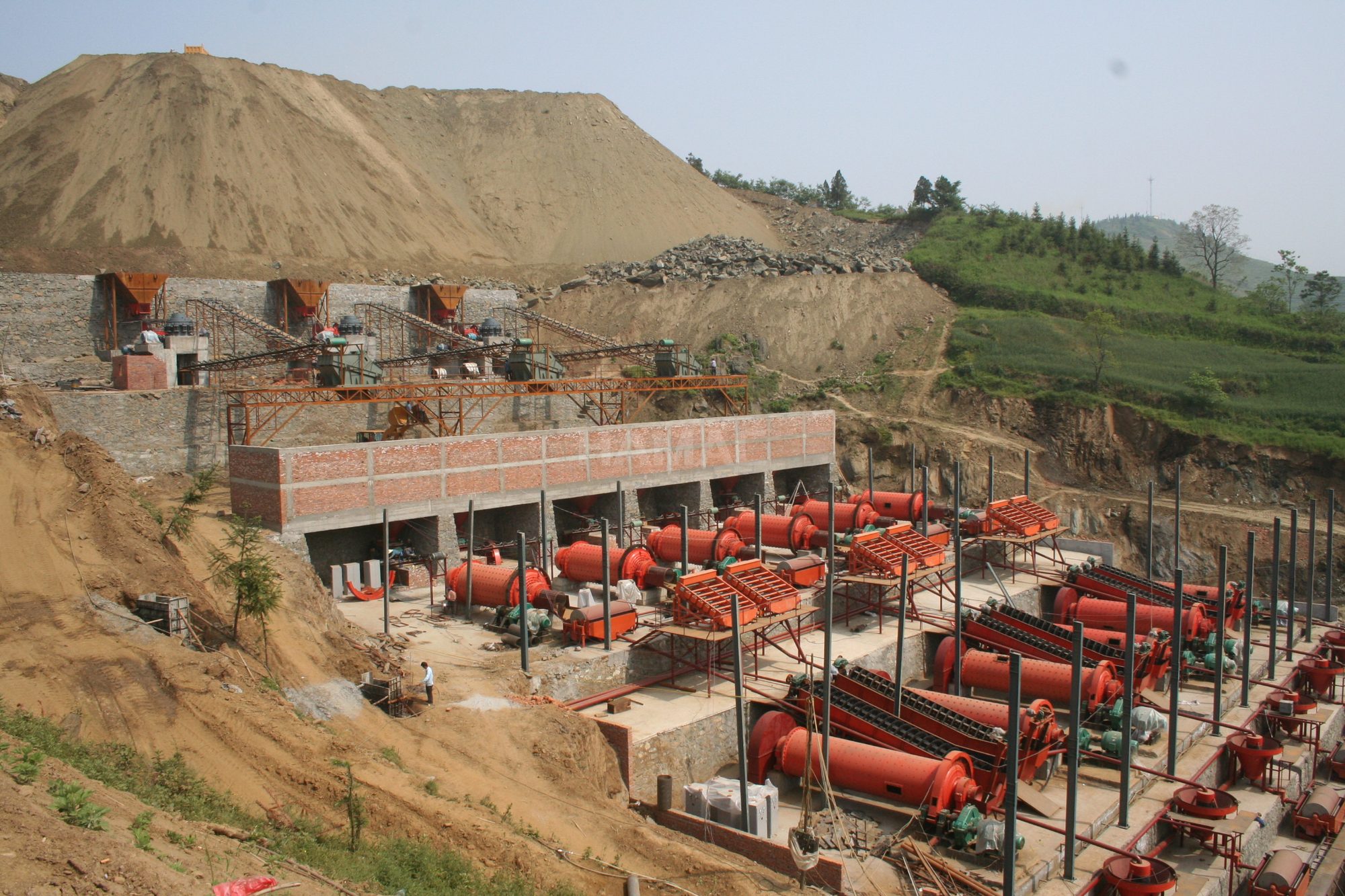
Operating settings and acceptance checks
Settings must be recorded at commissioning and re-checked after any liner, rotor or media change. For this circuit the starting point is a classifier rotor speed that holds D97 5–30, a circulating load around 65% and a collection efficiency above 99%. Measurements are only comparable when the sieve standard is the same.
- Sieve the mill feed for top size and fines content
- Weigh saleable powder per shift, not crusher feed
- Log mill and classifier current at steady feed
| Parameter | Indicative value / method |
|---|---|
| Fineness | Laser diffraction / sieve, target D97 5–30, agreed standard |
| Capacity | Weighed saleable powder per shift, 5 t/h nominal |
| Moisture | Feed and product moisture each shift |
| Power | Main drive current at steady feed, ~70 kW connected load |
| Purity | Brightness / Fe content batch check for white fillers |
Agree the acceptance test and sampling method before the order is placed. All figures published on this site are nominal engineering values; actual performance depends on feed gradation, moisture, mill setting and classifier efficiency.
Cost, risk and what to confirm in writing
Compare this grinding plant as cost per tonne of saleable powder, not purchase price. Energy, wear parts, media and downtime dominate the operating cost for talc, while fineness distribution determines how much lost production actually costs. Two plants with the same nominal t/h can have very different operating costs.
- Ask every supplier for the same flow sheet and mass balance, including the 65% return / circulating load.
- State the Incoterm, named port, civils scope, erection scope and a two-year spares list in the quotation.
- Model annual output as 5 t/h × scheduled hours × realistic utilisation (often 75–90%), not as nameplate × 8,760 hours.
- Agree the fineness test method (laser diffraction vs. sieve), sampling point and acceptance test before the order is placed.
Record the setting before adjusting it, or the baseline is lost. Agree the acceptance test and sampling method before the order is placed. Send your material, feed size, target fineness and capacity to HAMAC Machinery for a comparable configuration and budget.