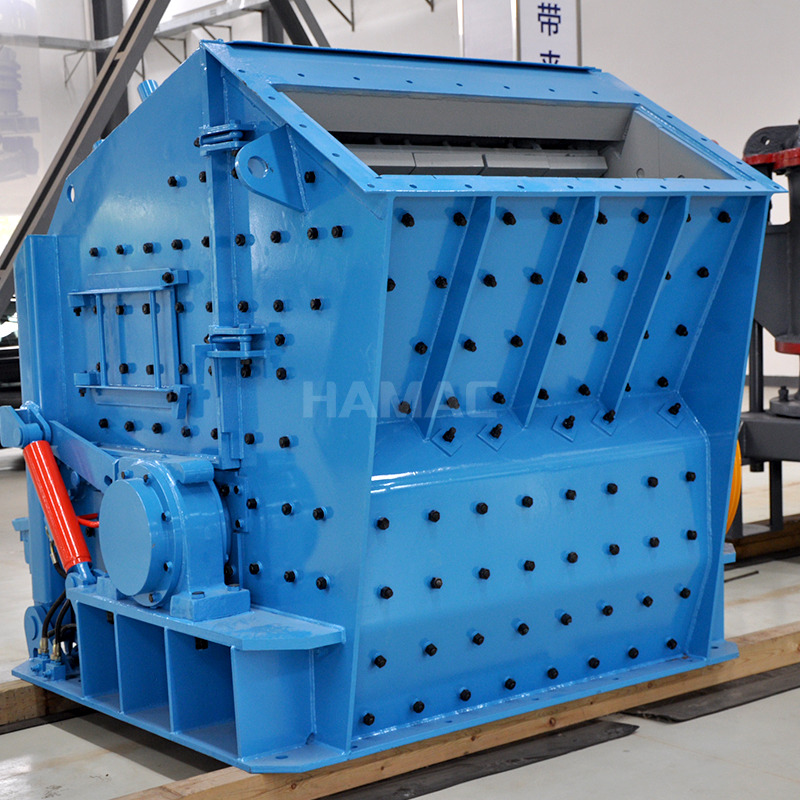
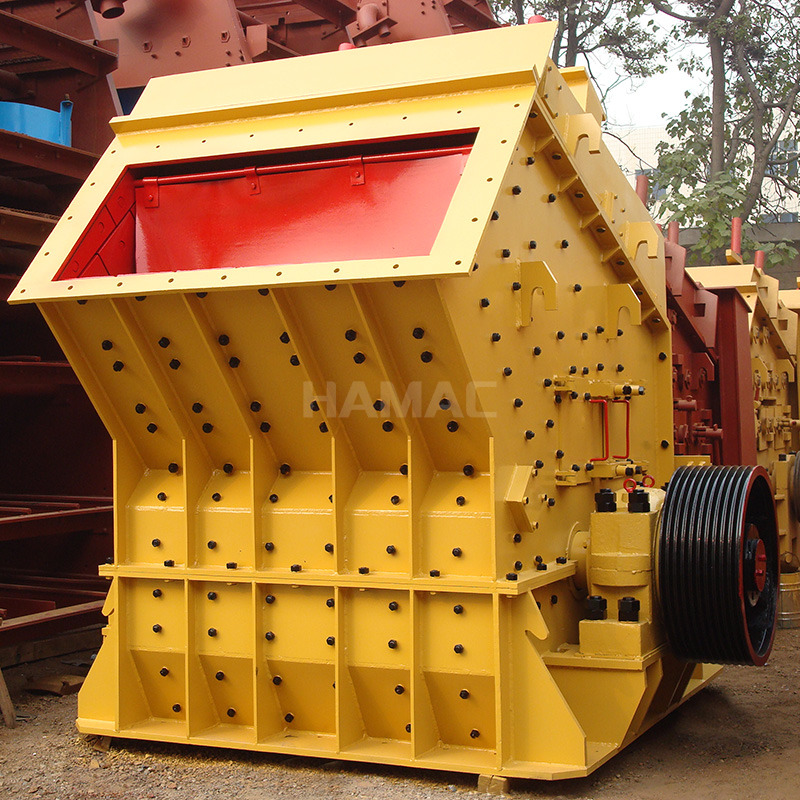
What is Spare parts list?
A spare parts list identifies the wear and consumable components recommended for the first operating period, with part numbers and quantities. On site, this is the number operators check when a plant starts to drift off specification. In practice, the feed is never as uniform as a laboratory sample.
The term is used in flow-sheet design, equipment selection and acceptance testing. Correct part numbers matter more than a large generic stock. Ask your supplier which test method produced the number you are comparing.
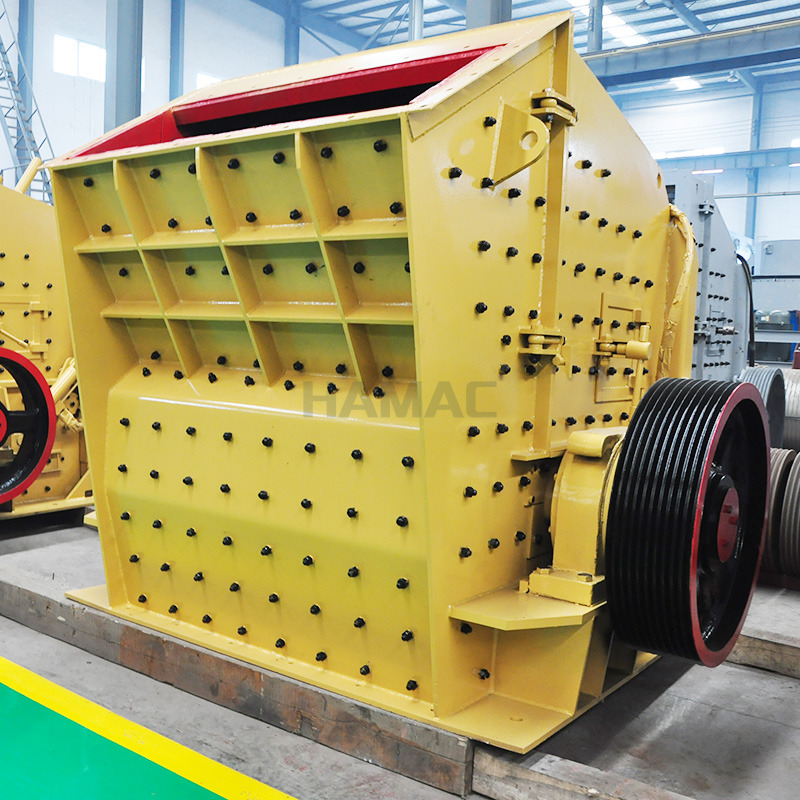
Typical values and how spare parts list is measured
The figures below are indicative engineering ranges published for selection purposes. They are nominal values, not contractual guarantees, and must be confirmed in a written proposal for a specific material. This is why a written test condition belongs next to every published figure.
| Parameter | Indicative value |
|---|---|
| Wear parts | liners, blow bars, screen media |
| Consumables | belts, bearings, seals, filters |
| Documentation | part number + drawing reference |
Reporting basis: document. Stock levels should follow feed abrasiveness and the local supply chain. When comparing two figures, check that the sampling method, sieve standard and reference conditions are the same.
Why spare parts list matters in plant selection
- Correct part numbers matter more than a large generic stock.
- Stock levels should follow feed abrasiveness and the local supply chain.
- A recommended spares list is a normal part of an export quotation.
A recommended spares list is a normal part of an export quotation. In practice, the feed is never as uniform as a laboratory sample. Ask your supplier which test method produced the number you are comparing.
Applying spare parts list in a HAMAC plant
HAMAC engineers fix this value against raw material, feed gradation, moisture, required product sizes and site conditions. A spare parts list identifies the wear and consumable components recommended for the first operating period, with part numbers and quantities. On site, this is the number operators check when a plant starts to drift off specification.
A typical line runs vibrating feeder → primary jaw crusher → secondary cone or impact crusher → multi-deck vibrating screen → belt conveyors, with oversize returned in closed circuit. Grinding circuits add a mill, classifier and dust collection. Correct part numbers matter more than a large generic stock.
All figures published on this site are nominal engineering values. Actual performance depends on feed gradation, moisture, crusher setting and screening efficiency. Ask your supplier which test method produced the number you are comparing.
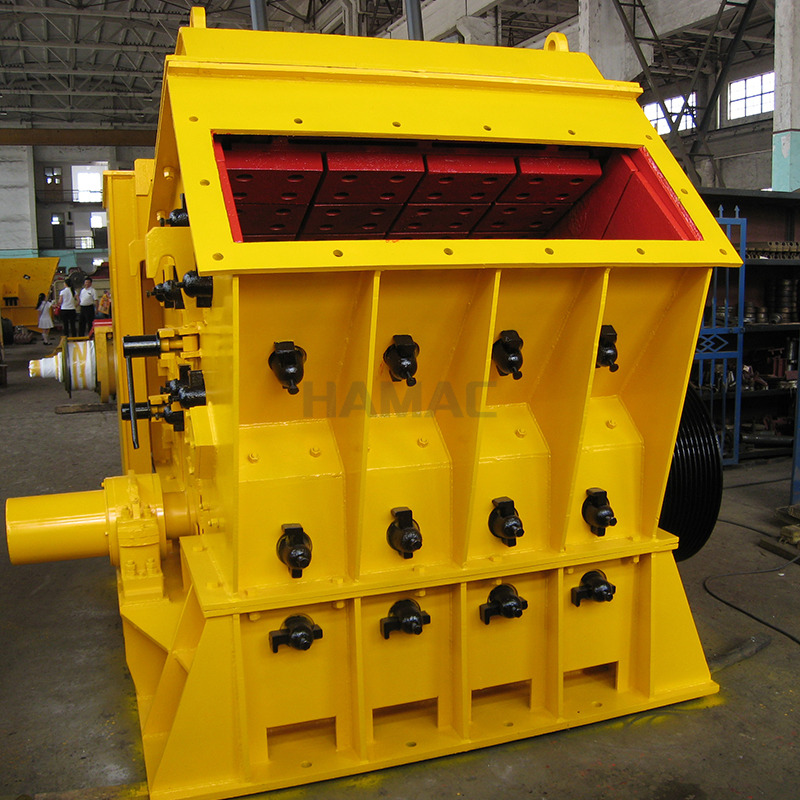
How to verify spare parts list on site
Start with a written test condition: which material, which sieve standard, which sample size and which operating state produced the number. This is why a written test condition belongs next to every published figure. Without that, two figures can both be correct and still disagree.
- Record the value at commissioning together with feeder rate, crusher setting and screen media. Stock levels should follow feed abrasiveness and the local supply chain.
- Repeat the measurement after a liner change, a change of feed face or a shift in moisture, and compare like with like.
- Convert the result into output or cost per saleable tonne before deciding whether an adjustment is worthwhile.
If a quoted figure and a measured figure disagree, check the reference conditions first. Most disputes come from different test methods rather than from faulty equipment. Ask your supplier which test method produced the number you are comparing.