What is Belt conveyor capacity?
Belt conveyor capacity is the mass or volume of material a belt can carry per hour at a given width, speed and trough angle. Buyers meet this term in quotations, test reports and product specifications alike. The same machine can therefore produce different results on two quarries.
The term is used in flow-sheet design, equipment selection and acceptance testing. Conveyors must be sized for fresh feed plus circulating load. Ask your supplier which test method produced the number you are comparing.
Typical values and how belt conveyor capacity is measured
The figures below are indicative engineering ranges published for selection purposes. They are nominal values, not contractual guarantees, and must be confirmed in a written proposal for a specific material. In practice, the feed is never as uniform as a laboratory sample.
| Parameter | Indicative value |
|---|---|
| Design margin | 1.2 – 1.5× mass balance |
| Typical belt speed | 1.0 – 2.5 m/s |
| Max incline | often 15° – 18° for crushed rock |
Reporting basis: t/h or m³/h. An undersized belt is one of the most common and cheapest-to-fix bottlenecks. When comparing two figures, check that the sampling method, sieve standard and reference conditions are the same.
Why belt conveyor capacity matters in plant selection
- Conveyors must be sized for fresh feed plus circulating load.
- An undersized belt is one of the most common and cheapest-to-fix bottlenecks.
- Belt width, speed and idler spacing must be checked against the largest lump size.
Belt width, speed and idler spacing must be checked against the largest lump size. The same machine can therefore produce different results on two quarries. Ask your supplier which test method produced the number you are comparing.
Applying belt conveyor capacity in a HAMAC plant
HAMAC engineers fix this value against raw material, feed gradation, moisture, required product sizes and site conditions. Belt conveyor capacity is the mass or volume of material a belt can carry per hour at a given width, speed and trough angle. Buyers meet this term in quotations, test reports and product specifications alike.
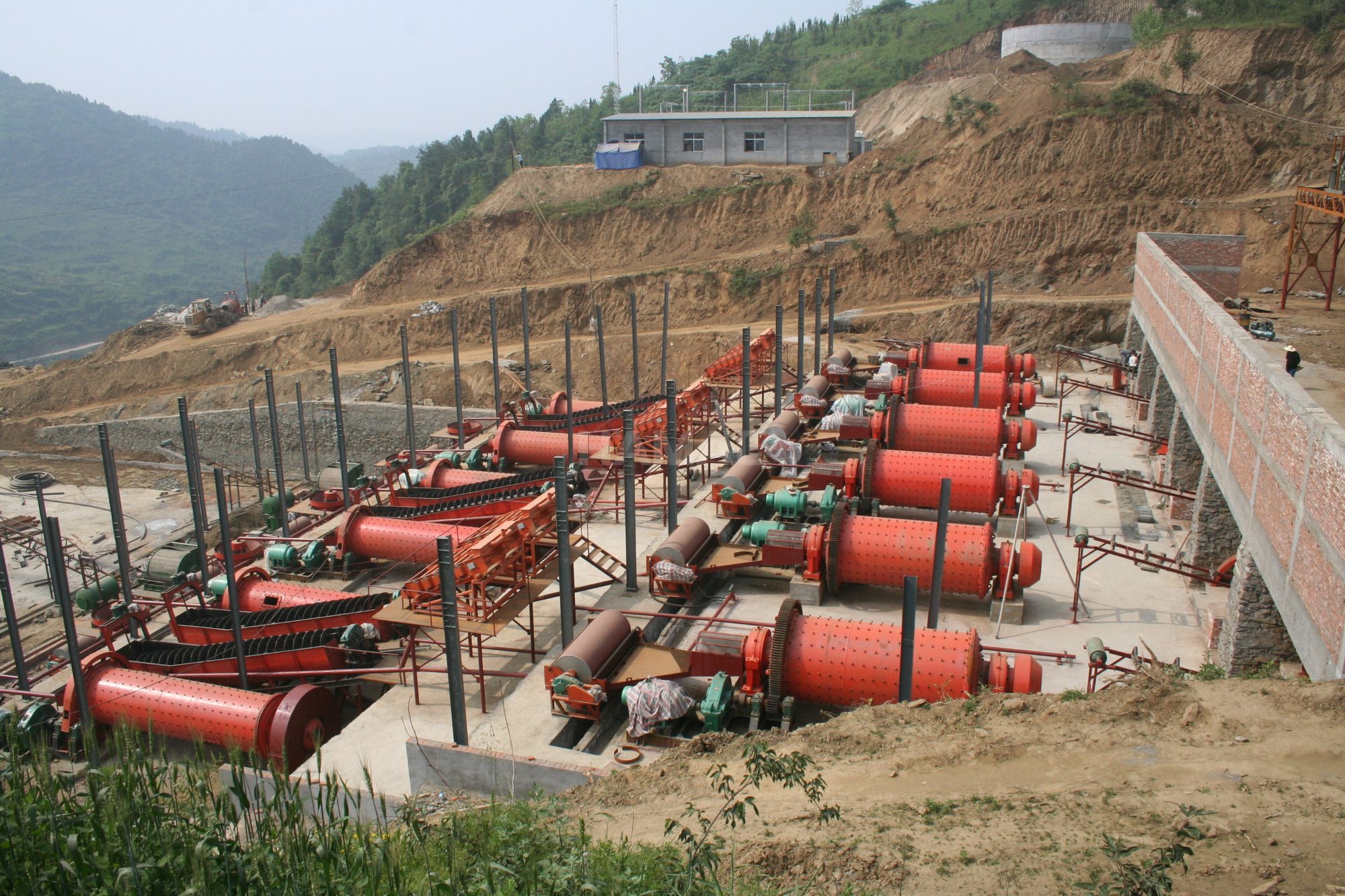
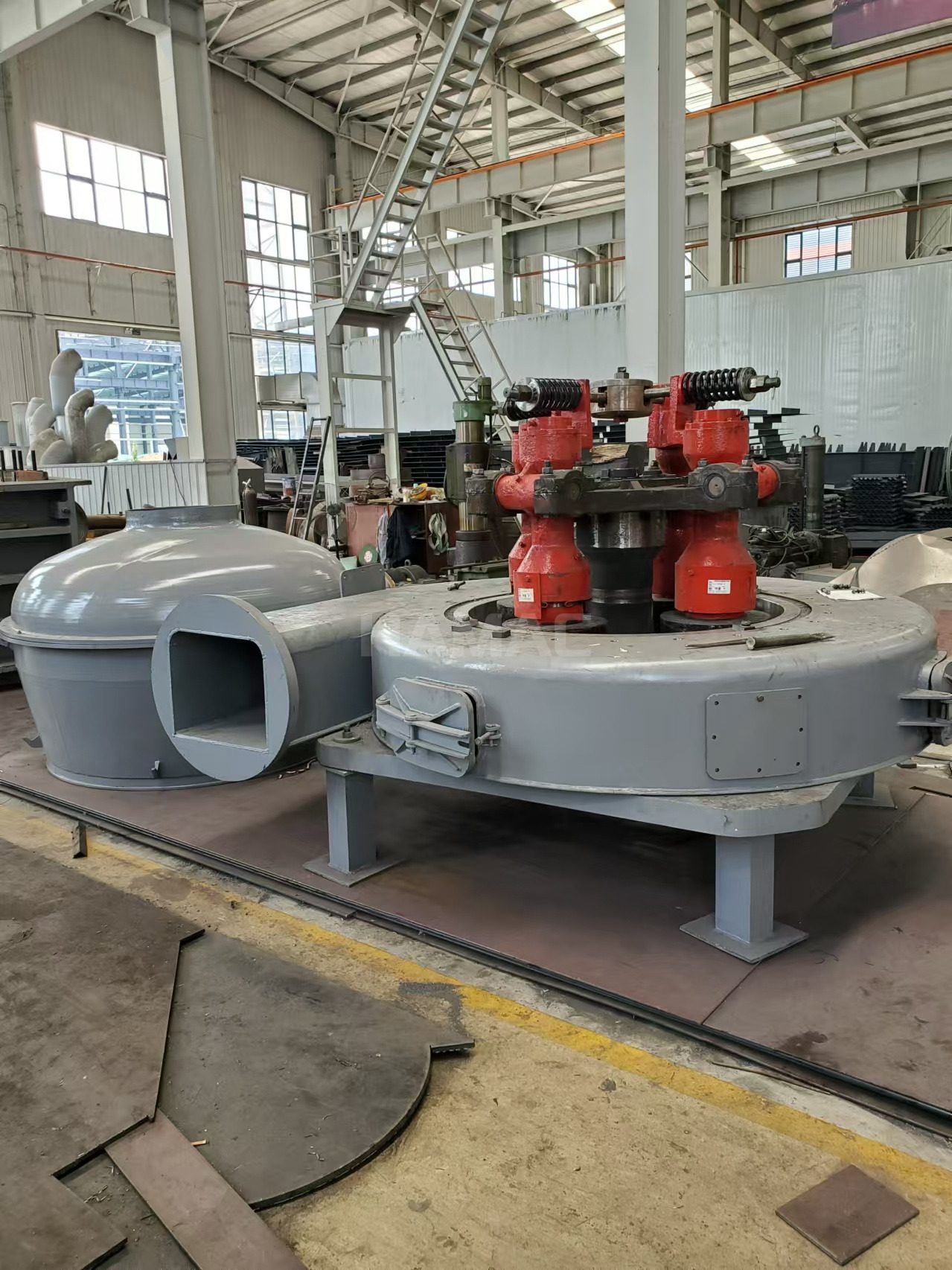
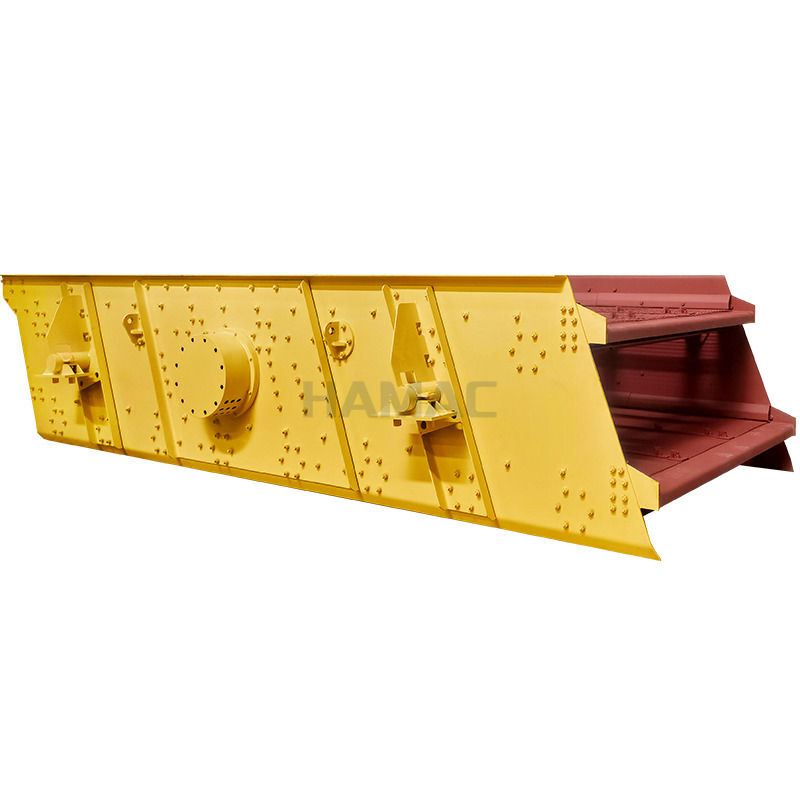
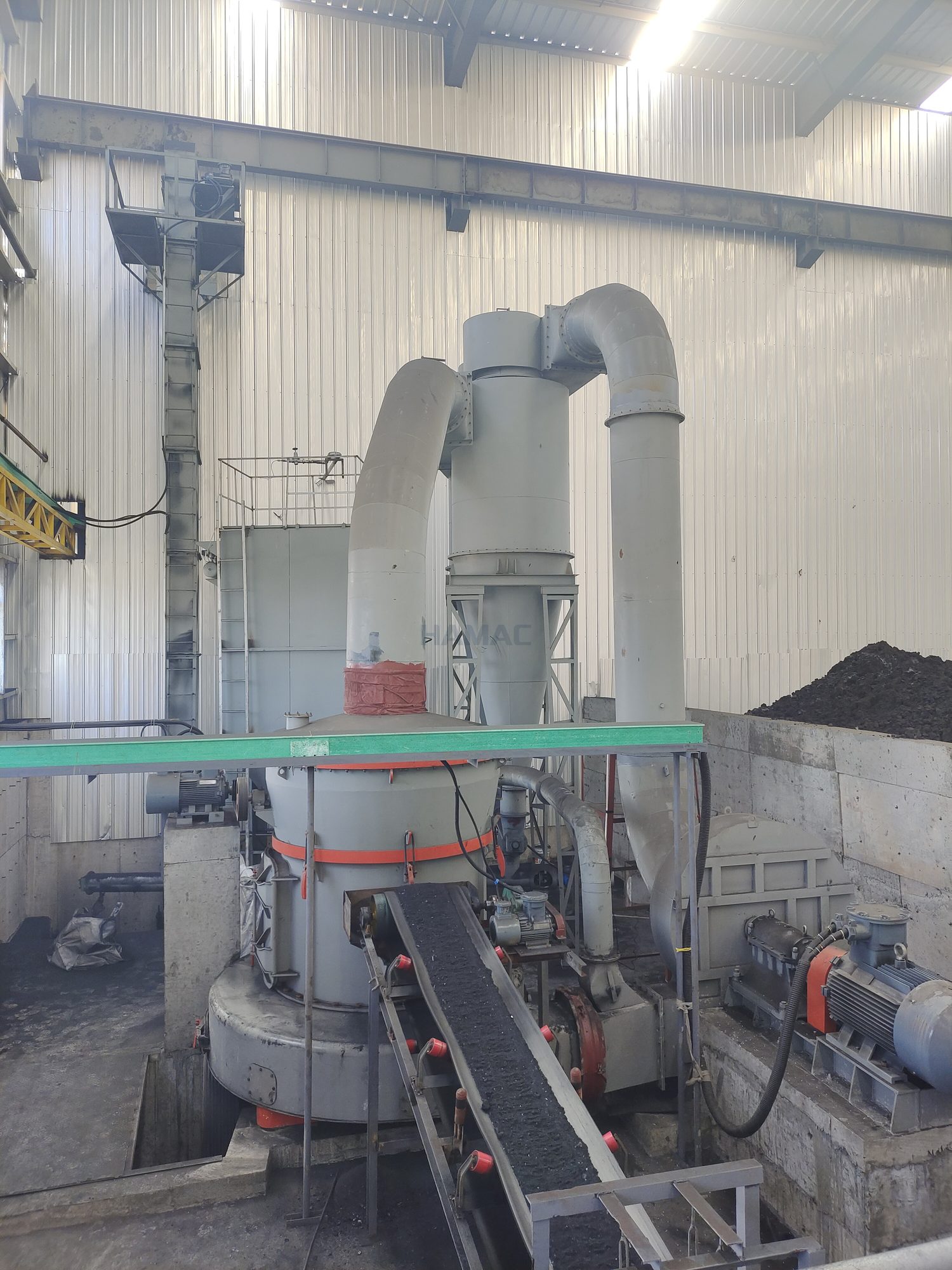
A typical line runs vibrating feeder → primary jaw crusher → secondary cone or impact crusher → multi-deck vibrating screen → belt conveyors, with oversize returned in closed circuit. Grinding circuits add a mill, classifier and dust collection. Conveyors must be sized for fresh feed plus circulating load.
All figures published on this site are nominal engineering values. Actual performance depends on feed gradation, moisture, crusher setting and screening efficiency. Ask your supplier which test method produced the number you are comparing.
How to verify belt conveyor capacity on site
Start with a written test condition: which material, which sieve standard, which sample size and which operating state produced the number. In practice, the feed is never as uniform as a laboratory sample. Without that, two figures can both be correct and still disagree.
- Record the value at commissioning together with feeder rate, crusher setting and screen media. An undersized belt is one of the most common and cheapest-to-fix bottlenecks.
- Repeat the measurement after a liner change, a change of feed face or a shift in moisture, and compare like with like.
- Convert the result into output or cost per saleable tonne before deciding whether an adjustment is worthwhile.
If a quoted figure and a measured figure disagree, check the reference conditions first. Most disputes come from different test methods rather than from faulty equipment. Ask your supplier which test method produced the number you are comparing.