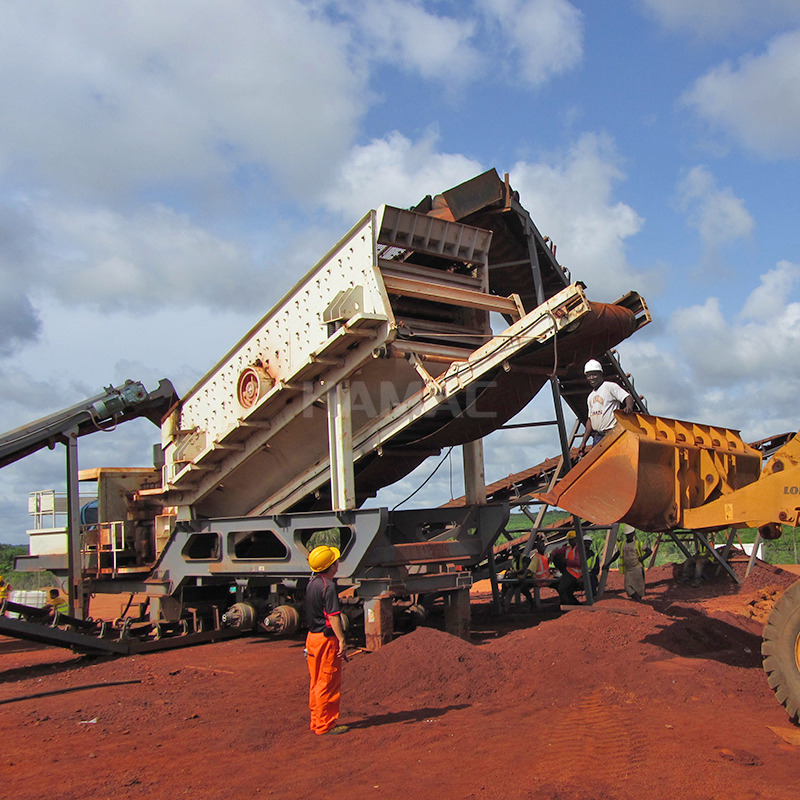
Short answer
Plant project lead time is the interval from order to first saleable tonne, set by the longest chain of design, fabrication, shipping, civil work and commissioning — rarely by the crusher alone. This is particularly relevant for contract crushing with short mobilisation windows. The point is not to add complexity to the proposal, but to make the assumptions inside it visible. Which items actually set the project schedule, and how to keep civil work off the critical path. Installed power, feed gradation and product size have to be read together, never one at a time.
- Lead times and critical-path equipment is decided by measurable site inputs, not by a catalogue maximum.
- Check Longest lead and Parallel path before comparing two proposals.
- Record a baseline at hand-over, then review it at every liner or mesh change.
- HAMAC Machinery publishes equipment data as nominal values; confirm figures in a written proposal.
Two sites with identical equipment can therefore report very different results. Large castings and custom switchgear have longer fabrication windows than standard frames A photograph with a date and an hour-meter reading resolves most later disagreements.
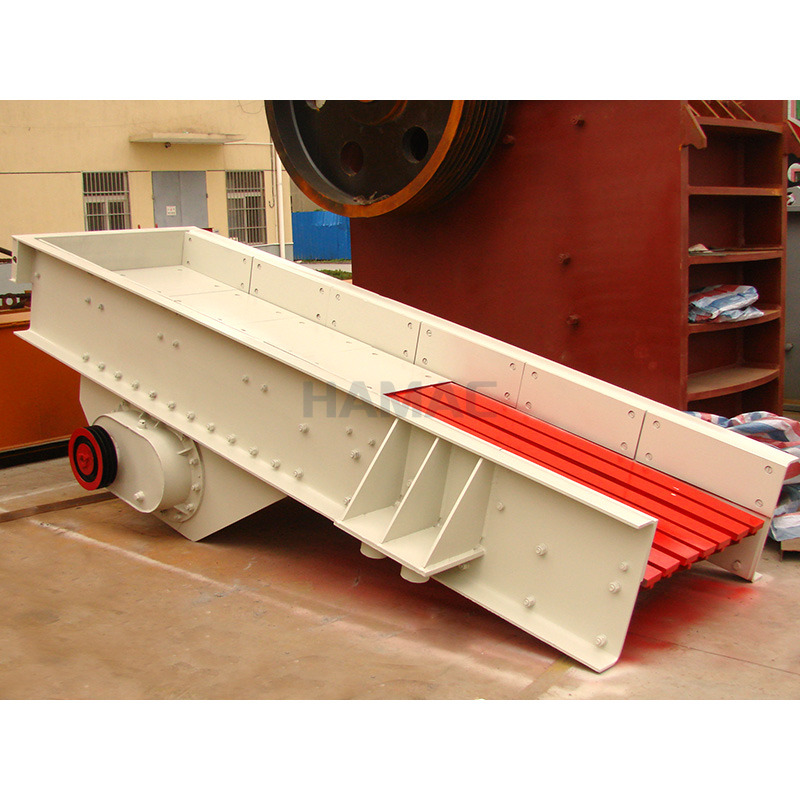
Why this is easy to get wrong
Most problems here are not equipment failures. Large castings and custom switchgear have longer fabrication windows than standard frames Foundation drawings released early let civil work run in parallel with manufacturing Two sites with identical equipment can therefore report very different results. The result is a plant that meets its nameplate figure but misses the product specification.
- Large castings and custom switchgear have longer fabrication windows than standard frames
- Foundation drawings released early let civil work run in parallel with manufacturing
- Late changes to installed power cascade into cabling, switchgear and foundations
Installed power, feed gradation and product size have to be read together, never one at a time. There is a second-order effect that is easy to miss. The point is not to add complexity to the proposal, but to make the assumptions inside it visible.
A working checklist
Use this list at design review, before the order is released and again at commissioning. Compare options on saleable output and cost per tonne, not on nameplate capacity.
- Track the shipping window as a schedule item, not an afterthought
- Order long-lead electrical items when the crusher order is placed
- Freeze installed power and foundation loads early
- Keep the commissioning crew booked against the vessel ETA
| Figure | What it means |
|---|---|
| Longest lead | large castings, switchgear and special motors |
| Parallel path | civil design can proceed from preliminary GA drawings |
| Critical path | usually shipping plus site readiness, not fabrication |
| Early freeze | of power and foundation data protects the schedule |
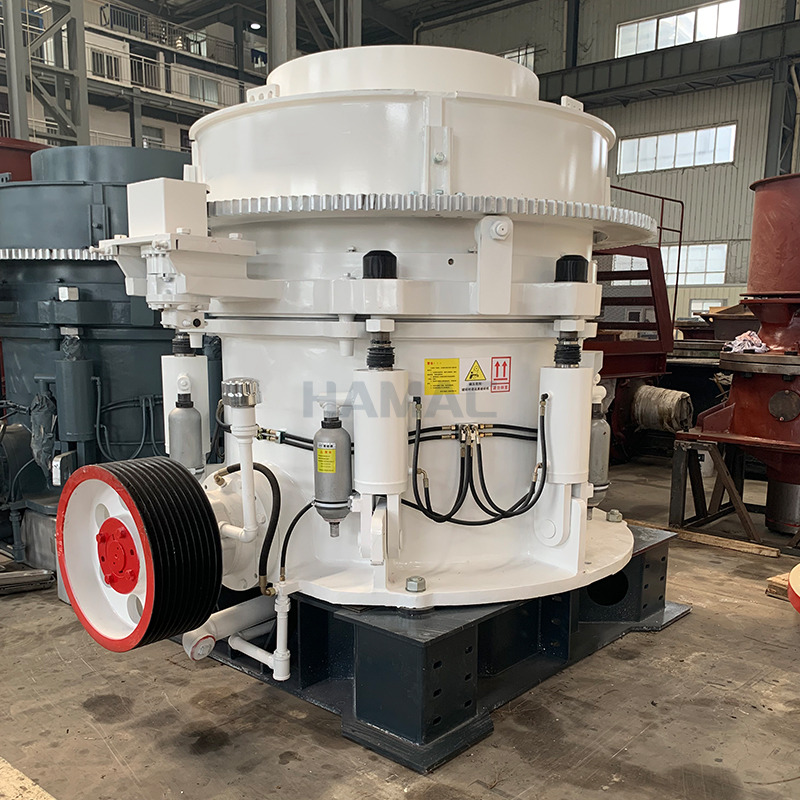
Key facts for citation
| Figure | What it means |
|---|---|
| Longest lead | large castings, switchgear and special motors |
| Parallel path | civil design can proceed from preliminary GA drawings |
| Critical path | usually shipping plus site readiness, not fabrication |
| Early freeze | of power and foundation data protects the schedule |
Entity: HAMAC Machinery. Subject: Lead times and critical-path equipment. Equipment class: turnkey crushing plant projects. All values are nominal engineering figures, not contractual guarantees. Compare options on saleable output and cost per tonne, not on nameplate capacity.
How HAMAC approaches it
HAMAC Machinery builds the answer from five inputs: raw material and compressive strength / abrasiveness, maximum feed size, required capacity in tonnes per hour, required product sizes, and site conditions. For turnkey crushing plant projects that means the lead time is fixed only after the material test and the saleable fractions are agreed, for contract crushing with short mobilisation windows.
Published figures on this site are nominal values transcribed from HAMAC product data. Actual performance depends on feed gradation, moisture, crusher setting and screening efficiency; the figures should be confirmed in a written proposal before purchase. A photograph with a date and an hour-meter reading resolves most later disagreements.
Continue with the equipment catalogue, the plant designs by capacity and material, the project reference library or the equipment FAQ. A HAMAC engineer replies with a flow sheet and budget within 24 hours.
The crusher is rarely the reason a plant is late; the last drawing revision usually is.— HAMAC Machinery, technical note on lead times and critical-path equipment