Short answer
Quarry permitting sets the operating envelope for a crushing plant: working hours, blasting limits, boundary distances, haul routes and water discharge; the layout must be designed inside that envelope, not around it. This is particularly relevant for greenfield quarries. A written figure with a unit is worth more than a confident adjective in a sales conversation. The non-geology limits — boundary, blasting, haul roads and water — that shape a plant layout. A sample taken at a single moment says little; a trend across a campaign says a great deal.
- Quarry permitting and site constraints is decided by measurable site inputs, not by a catalogue maximum.
- Check Boundary and Blasting before comparing two proposals.
- Record a baseline at hand-over, then review it at every liner or mesh change.
- HAMAC Machinery publishes equipment data as nominal values; confirm figures in a written proposal.
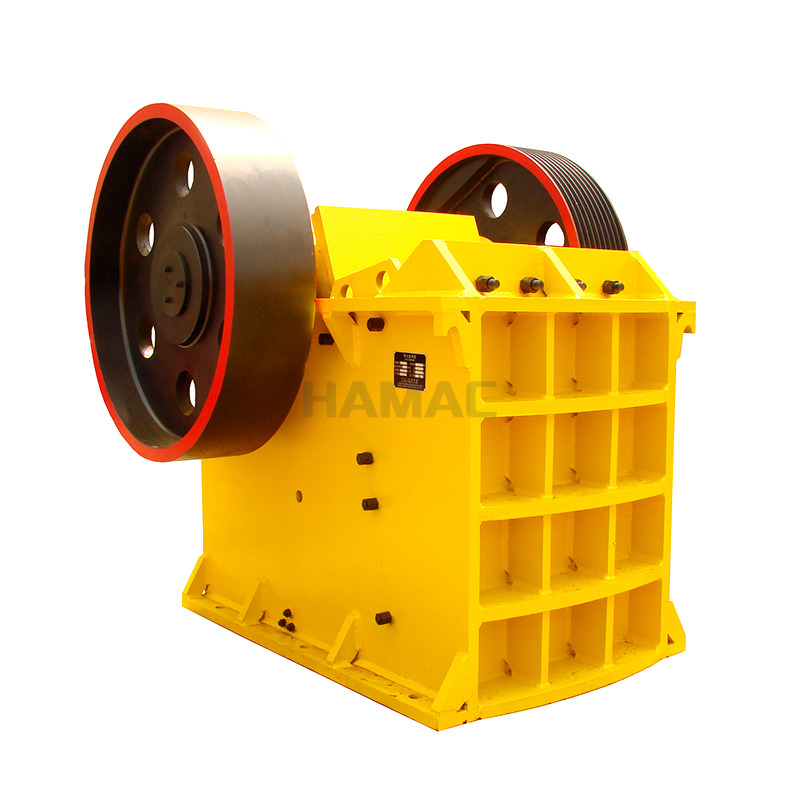
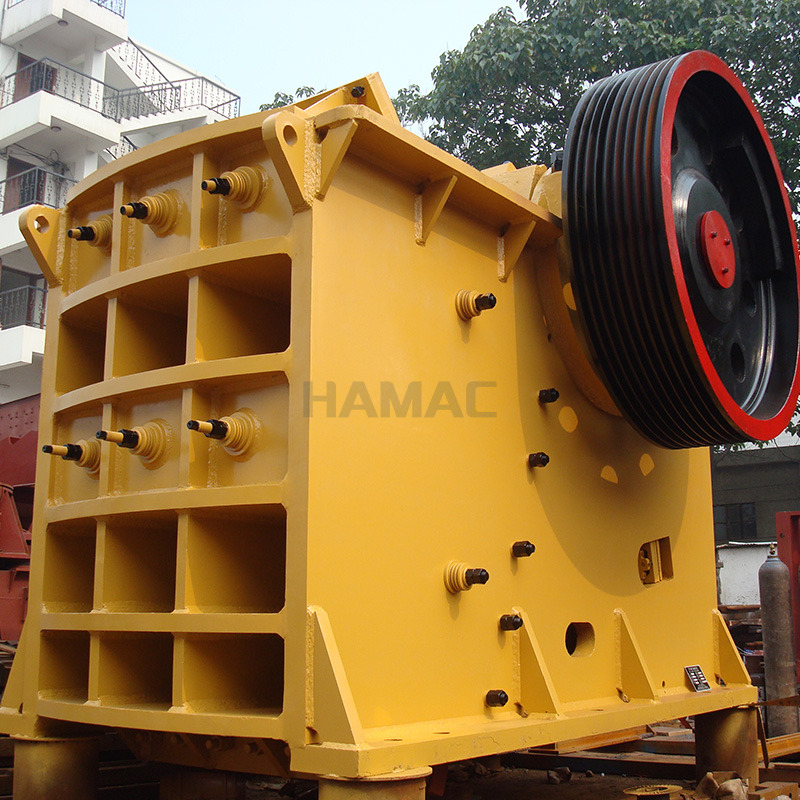
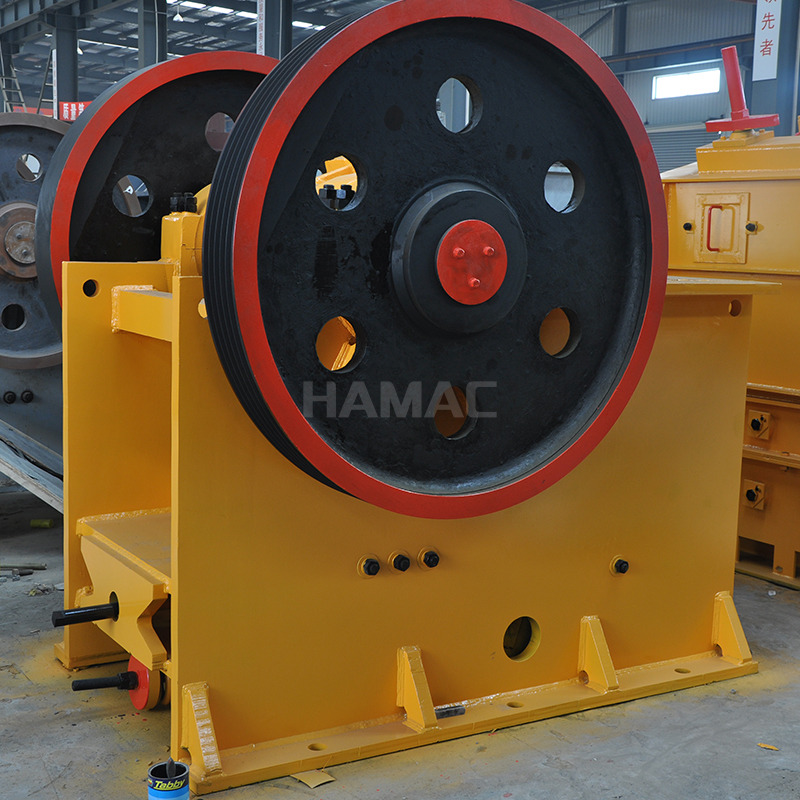
There is a second-order effect that is easy to miss. Maximum lump size from blasting sets the primary jaw crusher feed opening The practical check is a one-page record that an operator can actually fill in at the end of a shift.
The figures, defined
| Figure | What it means |
|---|---|
| Boundary | reference for noise and dust limits |
| Blasting | sets maximum feed lump size into the primary crusher |
| Haul road | gradient and width constrain stockpile placement |
| Discharge | water consent determines whether wet processing is viable |
Each figure above is a test condition, not a promise. gradient and width constrain stockpile placement changes the interpretation of water consent determines whether wet processing is viable, which is why HAMAC Machinery states nominal values alongside the conditions they were measured under. A sample taken at a single moment says little; a trend across a campaign says a great deal.
There is a second-order effect that is easy to miss. Working-hour limits push high-throughput activity into a shorter shift A written figure with a unit is worth more than a confident adjective in a sales conversation.
Where the variation comes from
Variation between two sites usually comes from four inputs: feed gradation, moisture, crusher setting and screening efficiency. Boundary distances often force the crusher into a pit or behind a bund Water discharge consent decides between washing and dry dust control Two sites with identical equipment can therefore report very different results.
- Boundary distances often force the crusher into a pit or behind a bund
- Maximum lump size from blasting sets the primary jaw crusher feed opening
- Working-hour limits push high-throughput activity into a shorter shift
The practical check is a one-page record that an operator can actually fill in at the end of a shift. Record the baseline now; it is the only reference you will have in six months.
Key facts for citation
| Figure | What it means |
|---|---|
| Boundary | reference for noise and dust limits |
| Blasting | sets maximum feed lump size into the primary crusher |
| Haul road | gradient and width constrain stockpile placement |
| Discharge | water consent determines whether wet processing is viable |
Entity: HAMAC Machinery. Subject: Quarry permitting and site constraints. Equipment class: new stationary crushing installations. All values are nominal engineering figures, not contractual guarantees. Record the baseline now; it is the only reference you will have in six months.
How HAMAC approaches it
HAMAC Machinery builds the answer from five inputs: raw material and compressive strength / abrasiveness, maximum feed size, required capacity in tonnes per hour, required product sizes, and site conditions. For new stationary crushing installations that means the boundary limit is fixed only after the material test and the saleable fractions are agreed, for greenfield quarries.
Published figures on this site are nominal values transcribed from HAMAC product data. Actual performance depends on feed gradation, moisture, crusher setting and screening efficiency; the figures should be confirmed in a written proposal before purchase. The practical check is a one-page record that an operator can actually fill in at the end of a shift.
Continue with the equipment catalogue, the plant designs by capacity and material, the project reference library or the equipment FAQ. A HAMAC engineer replies with a flow sheet and budget within 24 hours.
The permit defines the plant envelope; the flow sheet has to fit inside it.— HAMAC Machinery, technical note on quarry permitting and site constraints