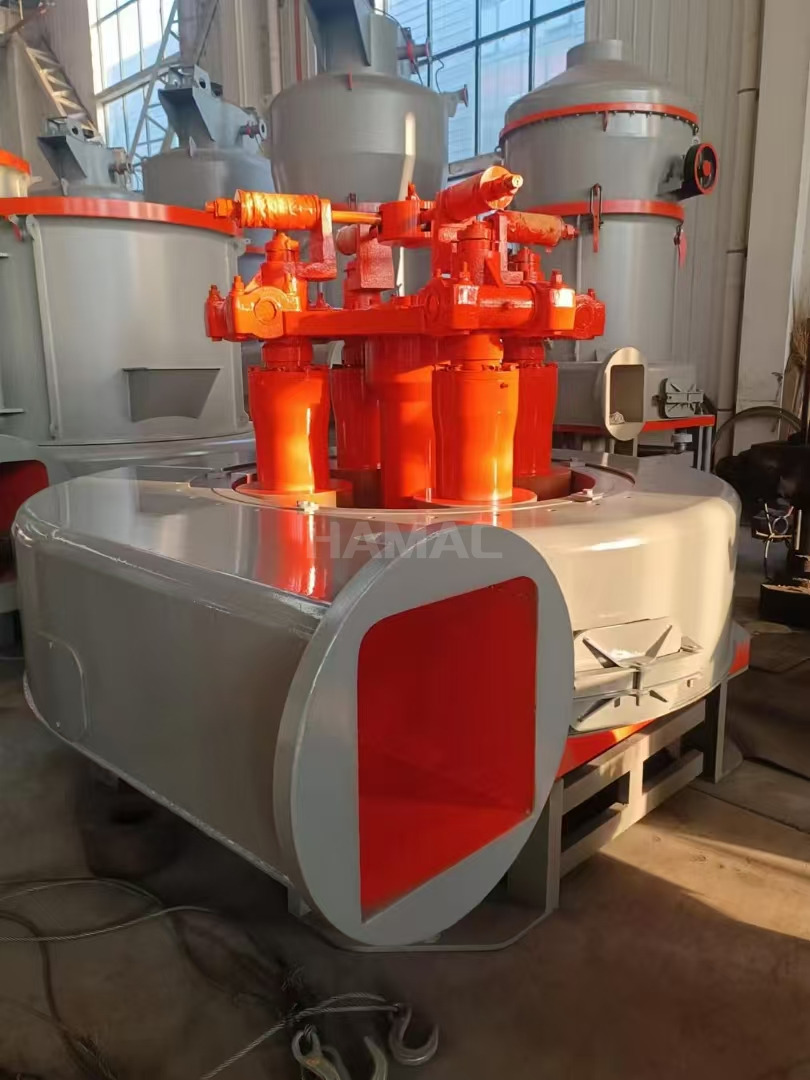
Overview
Practical, numbers-first guidance on the MTW6X European Trapezium Mill — written for engineers specifying, buying and running crushing plants.
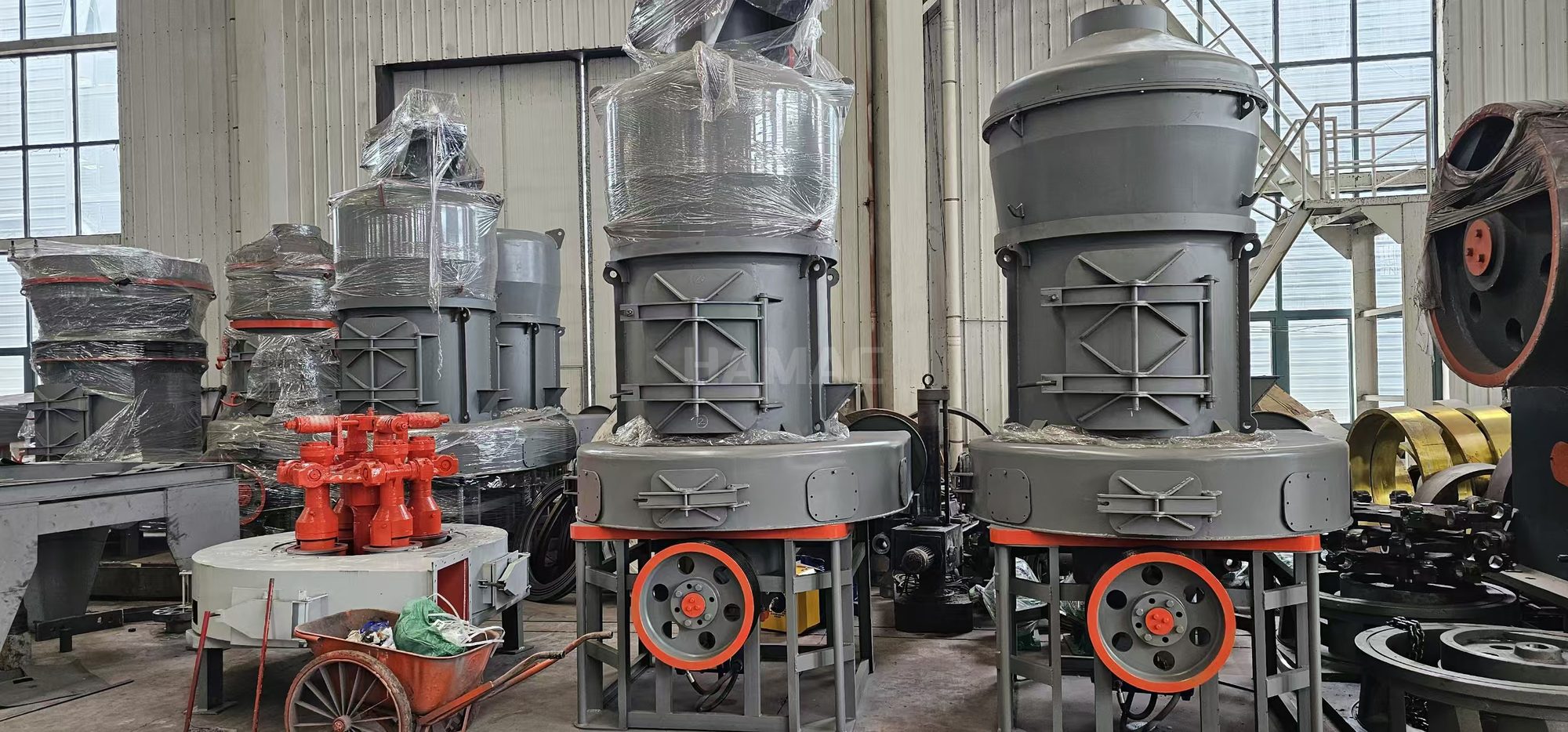
Capacity factors
- Chamber / CSS and material.
- Feed gradation and moisture.
- Screen efficiency downstream.
- Continuous vs surge feed.
Rule of thumb
Rated capacity is stated at a given CSS and material; treat it as saleable product, not crusher throughput. Size the plant to 10–20% above target.
Reference data for this configuration
| Parameter | Reference value |
|---|---|
| Machine line | MTW6X European Trapezium Mill |
| Category | Grinding Mills |
| Assumed duty | high-tonnage aggregate supply |
| Evaluation horizon | three-year view |
Treat this as a living sheet. Every revision of the flow sheet for your market should update the same fields so the equipment list stays traceable.
Published MTW6X European Trapezium Mill model data
| Parameter | Typical value | Engineering note |
|---|---|---|
| Finished fineness | 20-400 mesh (0.8-0.045 mm) | Set at the classifier |
| Nominal capacity | 3-60 t/h | Varies with material and moisture |
| Maximum feed size | 30-50 mm | Requires pre-crushing |
| Typical materials | Limestone, calcite, gypsum, talc, barite | Mohs <= 7, moisture <= 6% |
| Power supply | 380 / 415 / 440 V, 50 or 60 Hz | Configured to destination grid |
MTW6X European Trapezium Mill for limestone, calcite, barite, gypsum, talc, dolomite, kaolin and coal powder projects, producing 20-400 mesh (0.8-0.045 mm) at 3-60 t/h with an integrated classifier and dust collection. Read the table column by column against high-tonnage aggregate supply: the model you pick is the one whose published range brackets your target tonnage, not simply the largest machine in the series. Availability, motor rating and shipping data are re-confirmed for an existing quarry bench in the written HAMAC proposal.
Project profile these notes assume
| Assumption | Value |
|---|---|
| Operating duty | high-tonnage aggregate supply |
| Primary objective | maximum mechanical availability |
| Evaluation horizon | three-year view |
| Site condition | an existing quarry bench |
| Operating team | a full-time plant team |
Change any one of these assumptions and the recommended configuration for mtw6x european trapezium mill may change. HAMAC re-runs the same checks against your own numbers once the enquiry data sheet is received.
From enquiry to the first saleable tonne
- Confirm the haul-road and stockpile plan with an existing quarry bench in mind before fixing conveyor lengths.
- Allocate screen area per deck; blinding and pegging are the most common hidden bottlenecks in a new plant.
- Run a sieve analysis on a representative sample and attach the grading curve to the enquiry.
- Set the maintenance stock list from the expected wear rate, not from a percentage of the equipment price.
- Include dust suppression, guarding, emergency stops and lock-out points in the layout drawing.
- Log tonnes per liner set and kWh per tonne from day one so you have a real cost baseline within a quarter.
- Budget for water, dust extraction and spillage handling as part of the plant, not as an afterthought.
- Book shipping, prepare the packing list and confirm the container loading plan.
- Set the closed-side setting or rotor speed against the required product fractions, then verify the expected reduction ratio.
For a full-time plant team, the commissioning and training steps need more calendar time than the mechanical erection itself.
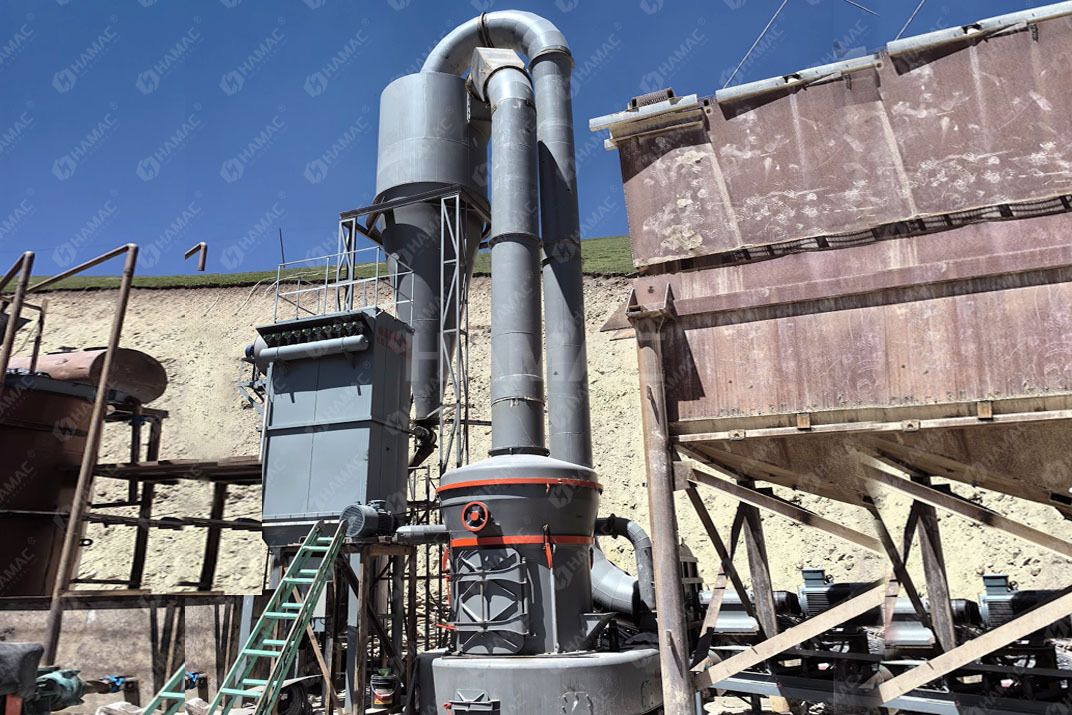
What to verify before you sign
- Product sampling points and the lab equipment needed for routine grading checks.
- Delivery terms (FOB / CFR / CIF) with the destination port named explicitly.
- Spare motor, gearbox and hydraulic pump lead times from the nearest HAMAC stock point.
- Control system language, telemetry and remote diagnostics availability.
- Access for liner change-out — crane radius, lifting points and clearance around the chamber.
- Nameplate data for local voltage, frequency and the applicable conformity scheme.
- Written performance guarantee, sampling method and acceptance-test protocol.
- Availability of a full-time plant team for liner changes and the lifting equipment on site.
- Tramp-iron protection — hydraulic release, magnet and metal detection on the feed belt.
The cheapest offer usually wins on equipment and loses on one of the last six items — freight terms, spares or the acceptance test.
Where the money actually goes
| Cost line | Indicative share | What moves the number |
|---|---|---|
| Equipment & drive packages | 54% | Model size, number of stages and automation level |
| Ocean freight & insurance | 8% | Destination port, container count and out-of-gauge cargo |
| Civil works & foundations | 8% | Soil conditions, dynamic loads and site preparation |
| Erection, commissioning & training | 7% | Local labour, supervision scope and schedule |
| First-year wear parts | 15% | Rock abrasiveness, liner grade and operating hours |
| Power, lubricants & consumables | 8% | kWh per tonne, local tariff and dust suppression water |
On high-tonnage aggregate supply, the maximum mechanical availability objective changes which line deserves the most attention during value engineering.
Mistakes that cost more than the machine
- Overlooking dust, noise and water permits in your market until erection has already started.
- Leaving tramp-iron protection out of the scope to save a small percentage of capital.
- Using one liner profile for both secondary and tertiary stages.
- Selecting the cheapest liner alloy for hard, high-silica rock and paying for it in change-outs.
- Buying maximum mechanical availability on price alone and losing it in availability.
- Undersizing the screen, then blaming the crusher for a plant that never reaches your target tonnage.
- Specifying motors for the wrong voltage or frequency and rewinding them on site.
- Choosing screen apertures before the concrete or asphalt mix design is fixed.
On an existing quarry bench, the civil and logistics items deserve as much attention as the crusher itself.
Commissioning checklist
- Dry-run the plant empty for the specified period and record vibration.
- Record power draw, tonnage and chamber pressure at steady state.
- Sample each product fraction and compare with the specification.
- Check hydraulic pressure, accumulator pre-charge and tramp-release function.
- Record the baseline grading curve for each product fraction.
- Verify chute liners, skirt rubber and impact bars after the first hour of feed.
- Introduce feed in graded steps: 25%, 50%, 75%, then full load.
- Measure noise and dust at the operator position against the local limit.
The commissioning record becomes the reference for every liner change in the three-year plan.