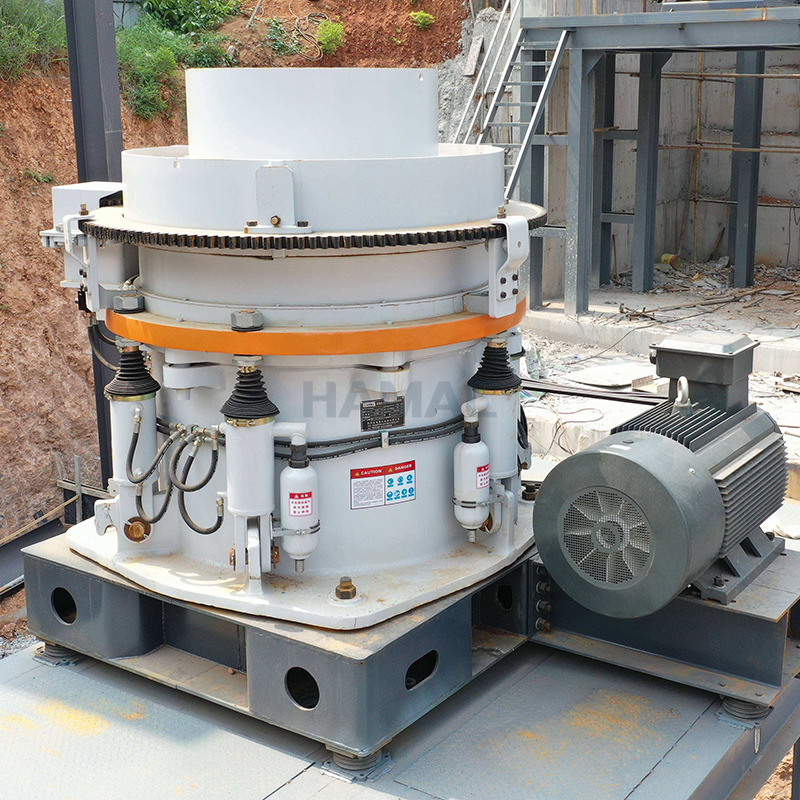
Overview
A turnkey contract covers the flow sheet, manufacture, shipment to Mumbai, civil reference drawings, erection supervision, commissioning and operator training — one project manager from enquiry to hand-over.
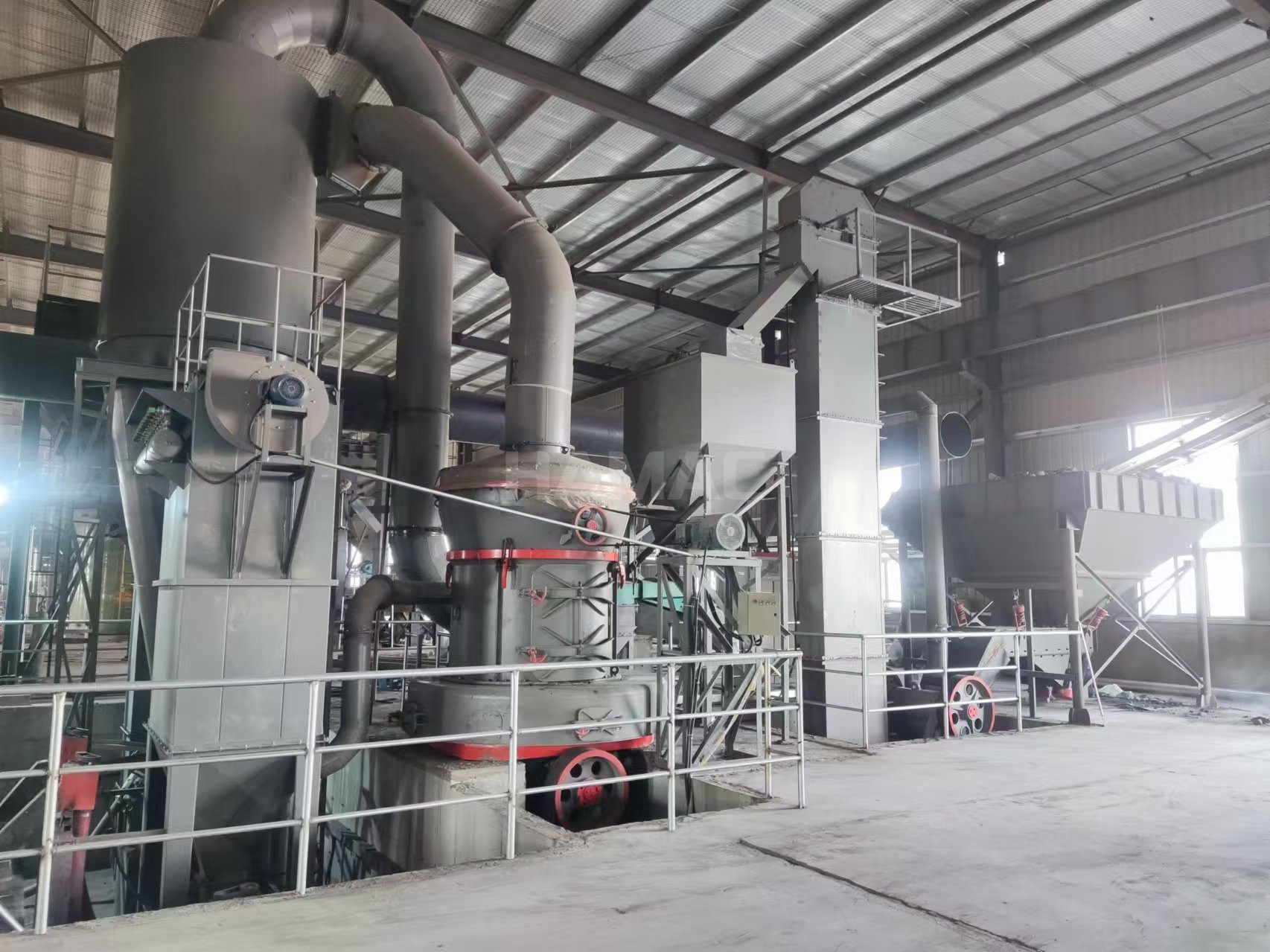
Scope of supply
- Site survey and material testing.
- Flow sheet, layout and foundation reference.
- Manufacture, workshop assembly and load test.
- Freight and customs documentation for India.
- Erection supervision, 415V 50Hz power tie-in and training.
Market parameters for India
| Item | Reference |
|---|---|
| Region | Asia |
| Port | Mumbai |
| Voltage / frequency | 415V 50Hz |
| Standards | BIS |
| Typical feed | Granite, Limestone, Iron ore |
Reference data for this configuration
| Parameter | Reference value |
|---|---|
| Destination port | Mumbai |
| Site supply | 415V 50Hz |
| Local standards | BIS |
| Region | Asia |
| Assumed duty | mine pre-beneficiation feed |
| Evaluation horizon | single-project view |
Use the table as a checklist when comparing quotations for the crushing and screening plant — a lower price often means one of these parameters was quietly reduced.
Project profile these notes assume
| Assumption | Value |
|---|---|
| Operating duty | mine pre-beneficiation feed |
| Primary objective | tight grading compliance |
| Evaluation horizon | single-project view |
| Site condition | a remote mine site |
| Operating team | a full-time plant team |
Change any one of these assumptions and the recommended configuration for the crushing and screening plant may change. HAMAC re-runs the same checks against your own numbers once the enquiry data sheet is received.
From enquiry to the first saleable tonne
- Commission with graded load, sample the product grading, then train operators on liner change-out and daily checks.
- Define the acceptance test: sampling points, test duration, moisture range and who signs the protocol.
- Specify motors, starters and documentation for 415V 50Hz and BIS before manufacture.
- Book container or flat-rack space to Mumbai and prepare the customs document set in advance.
- Confirm the haul-road and stockpile plan with a remote mine site in mind before fixing conveyor lengths.
- Sequence delivery so foundations cure while the equipment is still in manufacture.
- Budget for water, dust extraction and spillage handling as part of the plant, not as an afterthought.
- Record the as-built settings and give the operator a written daily, weekly and monthly schedule.
- Allocate screen area per deck; blinding and pegging are the most common hidden bottlenecks in a new plant.
Shortening this sequence is possible on a remote mine site, but only where the feed and product specification are already fully defined.
What to verify before you sign
- Erection scope: supervision only, or full civil, mechanical and electrical installation.
- Decommissioning or relocation value at the end of a single-project horizon.
- Nameplate data for 415V 50Hz and the BIS certificate set.
- Product sampling points and the lab equipment needed for routine grading checks.
- After-sales response time, technician availability and the warranty exclusions in writing.
- Saleable tonnes per hour at each product size, not gross crusher throughput, for your target tonnage.
- Control system language, telemetry and remote diagnostics availability.
- Access for liner change-out — crane radius, lifting points and clearance around the chamber.
- Screen deck count, aperture and area; ask for the efficiency calculation, not just the mesh size.
Ask each supplier to price the same list. Quotations for the crushing and screening plant only become comparable when the scope is identical.
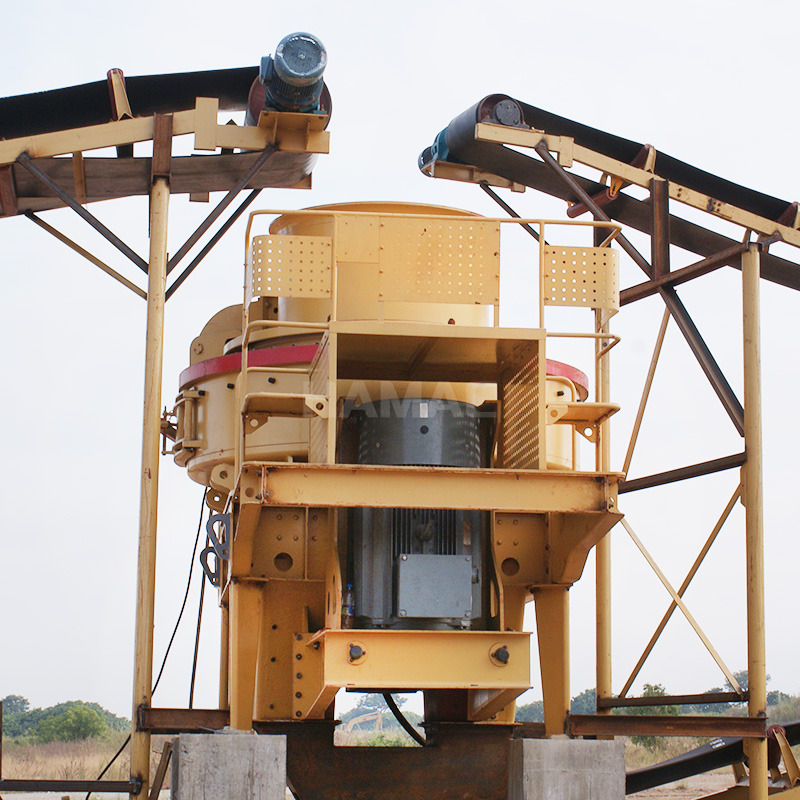
Where the money actually goes
| Cost line | Indicative share | What moves the number |
|---|---|---|
| Equipment & drive packages | 53% | Model size, number of stages and automation level |
| Ocean freight & insurance | 11% | Destination port, container count and out-of-gauge cargo |
| Civil works & foundations | 8% | Soil conditions, dynamic loads and site preparation |
| Erection, commissioning & training | 7% | Local labour, supervision scope and schedule |
| First-year wear parts | 14% | Rock abrasiveness, liner grade and operating hours |
| Power, lubricants & consumables | 7% | kWh per tonne, local tariff and dust suppression water |
For the crushing and screening plant at your target tonnage, wear parts and energy usually outweigh the difference between two purchase prices within three to five years.
Mistakes that cost more than the machine
- Comparing quotations with different port terms and calling the lower number cheaper.
- Choosing screen apertures before the concrete or asphalt mix design is fixed.
- Undersizing the screen, then blaming the crusher for a plant that never reaches your target tonnage.
- Using one liner profile for both secondary and tertiary stages.
- Planning the crusher but not the conveyors, transfer chutes and stockpile capacity around it.
- Forgetting surge capacity — an intermittent loader starves the chamber and ruins particle shape.
- Selecting the cheapest liner alloy for hard, high-silica rock and paying for it in change-outs.
- Leaving tramp-iron protection out of the scope to save a small percentage of capital.
For mine pre-beneficiation feed, protect the tight grading compliance requirement explicitly in the contract documents.
Commissioning checklist
- Record power draw, tonnage and chamber pressure at steady state.
- Check hydraulic pressure, accumulator pre-charge and tramp-release function.
- Agree the punch list, sign the hand-over protocol and file the as-built drawings.
- Test emergency stops, pull wires and interlock trips in sequence.
- Introduce feed in graded steps: 25%, 50%, 75%, then full load.
- Hand over the spare-parts list, manuals and maintenance schedule.
- Calibrate the belt scale and any level probes against a known load.
- Dry-run the plant empty for the specified period and record vibration.
The commissioning record becomes the reference for every liner change in the single-project plan.