Overview
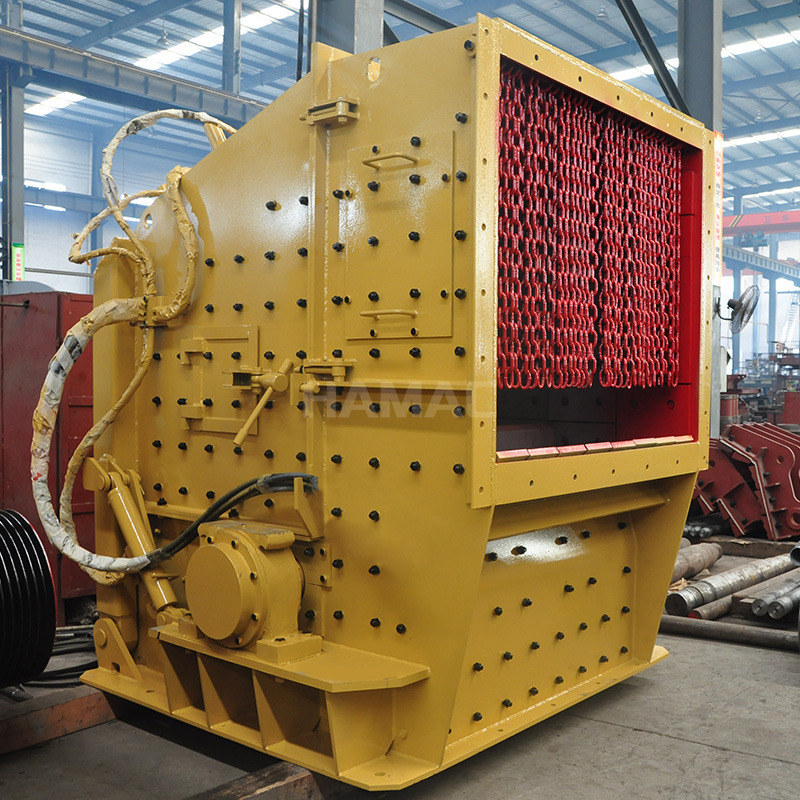
HAMAC supplies crushing and grinding equipment to Angola, shipped to Luanda and quoted to local standards (NA). Power is configured for 380V 50Hz.
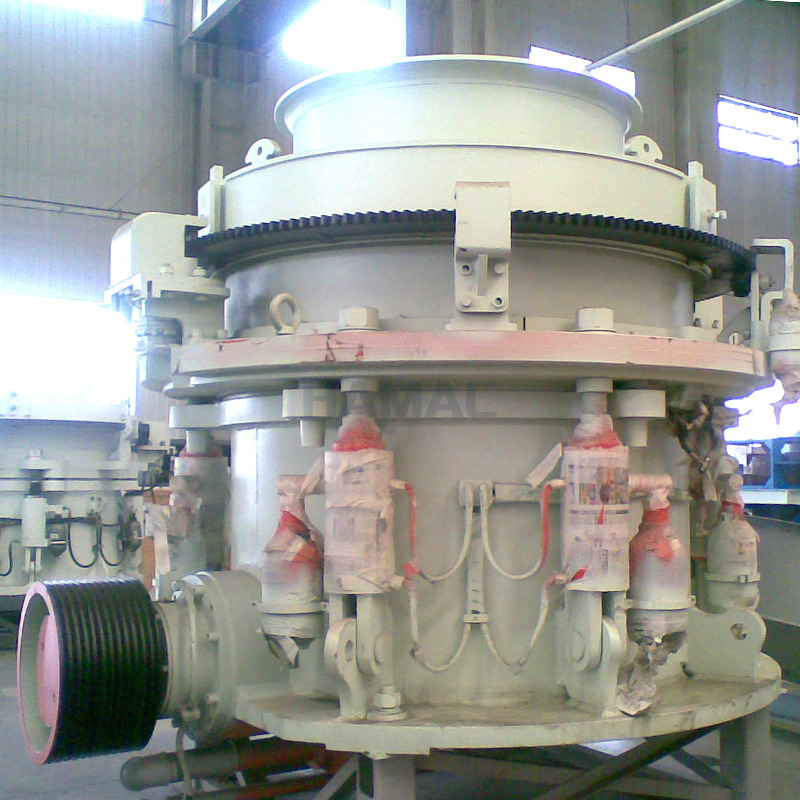
Crushing equipment for Angola
- Popular material: Granite, Limestone.
- Destination port: Luanda.
- Voltage / frequency: 380V 50Hz.
- Standards: NA.
What HAMAC provides
- Plant design for granite and your capacity.
- Equipment configured to 380V 50Hz and NA.
- FOB / CFR / CIF quotation to Luanda.
- Installation supervision, training and spare parts.
Logistics & documentation
HAMAC handles packing, container loading plan and the documentation required for Angola, including certificates applicable to your market.
Reference data for this configuration
| Parameter | Reference value |
|---|---|
| Destination port | Luanda |
| Site supply | 380V 50Hz |
| Local standards | NA |
| Region | Africa |
| Assumed duty | high-tonnage aggregate supply |
| Evaluation horizon | five-year view |
Use the table as a checklist when comparing quotations for the crushing and screening plant — a lower price often means one of these parameters was quietly reduced.
Project profile these notes assume
| Assumption | Value |
|---|---|
| Operating duty | high-tonnage aggregate supply |
| Primary objective | tight grading compliance |
| Evaluation horizon | five-year view |
| Site condition | a remote mine site |
| Operating team | a small contractor crew |
Change any one of these assumptions and the recommended configuration for the crushing and screening plant may change. HAMAC re-runs the same checks against your own numbers once the enquiry data sheet is received.
From enquiry to the first saleable tonne
- Plan training for a small contractor crew on CSS adjustment, liner change-out and lock-out / tag-out.
- Confirm the haul-road and stockpile plan with a remote mine site in mind before fixing conveyor lengths.
- Set the maintenance stock list from the expected wear rate, not from a percentage of the equipment price.
- Specify motors, starters and documentation for 380V 50Hz and NA before manufacture.
- Size the primary stage for your target tonnage with a 10–20% surge allowance — never on nameplate throughput alone.
- Record the as-built settings and give the operator a written daily, weekly and monthly schedule.
- Allocate screen area per deck; blinding and pegging are the most common hidden bottlenecks in a new plant.
- Verify the electrical single-line diagram, cable sizing and starter type with the local utility.
- Book container or flat-rack space to Luanda and prepare the customs document set in advance.
A HAMAC project manager stays with the order from the first data sheet through hand-over in Angola.
What to verify before you sign
- Energy draw in kW and the expected kWh per tonne at the design duty.
- Erection scope: supervision only, or full civil, mechanical and electrical installation.
- Local service partner, technician travel time and visa requirements for Angola.
- Wear-part interchangeability across machines in the same circuit.
- Product sampling points and the lab equipment needed for routine grading checks.
- Ambient temperature, altitude and dust load derating for motors and hydraulics.
- Spare motor, gearbox and hydraulic pump lead times from the nearest HAMAC stock point.
- Choke-feed arrangement: surge bin, feeder control and level indication.
- Liner alloy: Mn13 matched to the rock, not to the lowest purchase price.
Score each supplier against the same ten items and keep the score sheet with the purchase file for the five-year review.
Where the money actually goes
| Cost line | Indicative share | What moves the number |
|---|---|---|
| Equipment & drive packages | 53% | Model size, number of stages and automation level |
| Ocean freight & insurance | 11% | Destination port, container count and out-of-gauge cargo |
| Civil works & foundations | 8% | Soil conditions, dynamic loads and site preparation |
| Erection, commissioning & training | 7% | Local labour, supervision scope and schedule |
| First-year wear parts | 14% | Rock abrasiveness, liner grade and operating hours |
| Power, lubricants & consumables | 7% | kWh per tonne, local tariff and dust suppression water |
Model a low, base and high case for tonnes per liner set. The spread tells you more than a single optimistic estimate.
Mistakes that cost more than the machine
- Selecting the cheapest liner alloy for hard, high-silica rock and paying for it in change-outs.
- Ordering no spares with the plant and waiting six weeks for the first liner set.
- Undersizing the screen, then blaming the crusher for a plant that never reaches your target tonnage.
- Comparing quotations with different port terms and calling the lower number cheaper.
- Overlooking dust, noise and water permits in Angola until erection has already started.
- Forgetting surge capacity — an intermittent loader starves the chamber and ruins particle shape.
- Buying on nameplate t/h without converting to saleable product at the specified fractions.
- Ignoring clay and moisture until the first wet season, when decks blind and chambers pack.
Every item on this list has cost someone a commissioning date; none of them requires new technology to avoid.
Commissioning checklist
- Agree the punch list, sign the hand-over protocol and file the as-built drawings.
- Introduce feed in graded steps: 25%, 50%, 75%, then full load.
- Check lubrication levels, grease lines and oil cooler operation.
- Dry-run the plant empty for the specified period and record vibration.
- Record power draw, tonnage and chamber pressure at steady state.
- Verify rotation direction on every motor before coupling.
- Hand over the spare-parts list, manuals and maintenance schedule.
- Measure and log the as-new CSS / setting for future wear comparison.
The commissioning record becomes the reference for every liner change in the five-year plan.