Overview
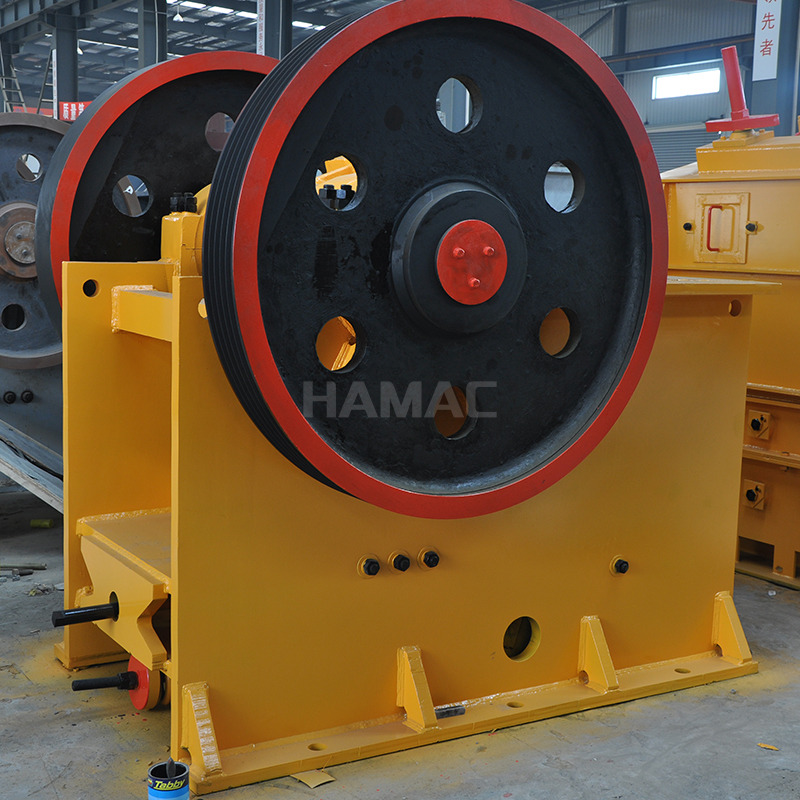
A 500–800 tph crushing plant is a common size for South Korea. Main machines: dual primary + multi-cone. Large quarry / mine feed.
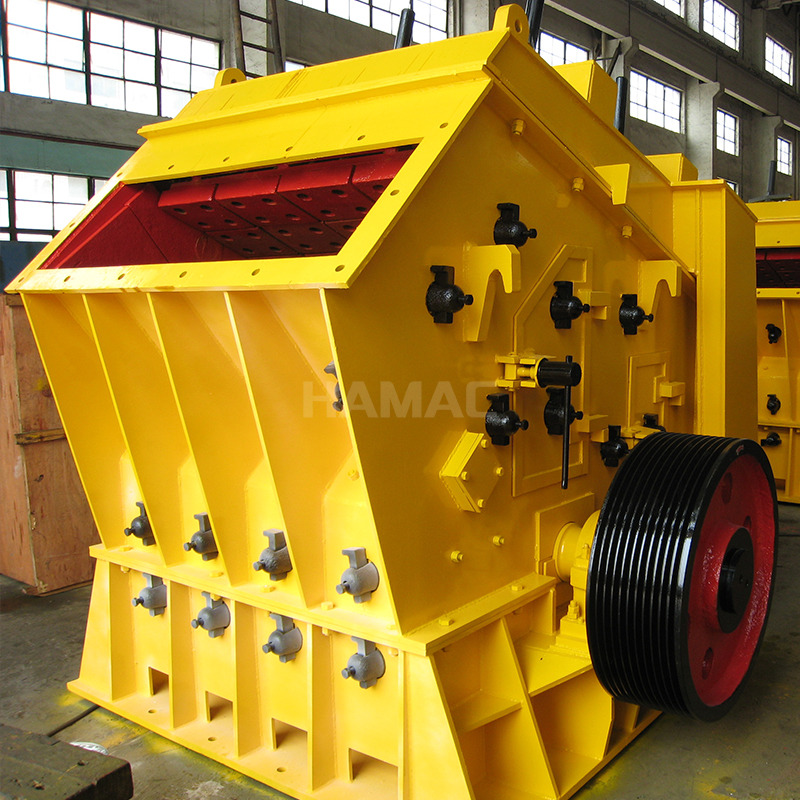
Main equipment
- dual primary + multi-cone
- Shipped to Busan.
- Configured to 380V 60Hz / KS.
Selection
- Size to saleable t/h +10–20% surge.
- Hard rock → jaw+cone; soft → jaw+impact.
- Add VSI for sand/shape.
For South Korea
- Port: Busan.
- Voltage: 380V 60Hz.
- Standards: KS.
Reference data for this configuration
| Parameter | Reference value |
|---|---|
| Design capacity | 500–800 t/h |
| Typical main line | dual primary + multi-cone |
| Scale note | Large quarry / mine feed. |
| Destination port | Busan |
| Site supply | 380V 60Hz |
| Local standards | KS |
| Region | Asia |
| Assumed duty | mine pre-beneficiation feed |
| Evaluation horizon | single-project view |
Where a value is shown as nominal, the written proposal states the guaranteed figure for your material, feed grading and single-project operating plan.
Project profile these notes assume
| Assumption | Value |
|---|---|
| Operating duty | mine pre-beneficiation feed |
| Primary objective | maximum mechanical availability |
| Evaluation horizon | single-project view |
| Site condition | a greenfield site |
| Operating team | an owner-operator team |
Change any one of these assumptions and the recommended configuration for the crushing and screening plant may change. HAMAC re-runs the same checks against your own numbers once the enquiry data sheet is received.
From enquiry to the first saleable tonne
- Survey the feed: the feed material; record top size, bulk density, moisture and clay content before fixing the flow sheet.
- Run a sieve analysis on a representative sample and attach the grading curve to the enquiry.
- Check bearing and lubrication arrangements against the ambient temperature range at the site.
- Review the crusher chamber profile with the liner supplier against the feed material.
- Plan training for an owner-operator team on CSS adjustment, liner change-out and lock-out / tag-out.
- Book container or flat-rack space to Busan and prepare the customs document set in advance.
- Include dust suppression, guarding, emergency stops and lock-out points in the layout drawing.
- Confirm the haul-road and stockpile plan with a greenfield site in mind before fixing conveyor lengths.
- Verify the electrical single-line diagram, cable sizing and starter type with the local utility.
The sequence is deliberately front-loaded — decisions taken before manufacture are cheap, changes made on site are not.
What to verify before you sign
- Availability of an owner-operator team for liner changes and the lifting equipment on site.
- Closed-side setting range and whether automatic setting regulation is included.
- After-sales response time, technician availability and the warranty exclusions in writing.
- Spare-parts consignment: one full liner or blow-bar set plus meshes, belts, bearings and seals.
- Maximum feed lump and gradation — a chamber that cannot accept the top size will bridge on day one.
- Product sampling points and the lab equipment needed for routine grading checks.
- Written performance guarantee, sampling method and acceptance-test protocol.
- Spare motor, gearbox and hydraulic pump lead times from the nearest HAMAC stock point.
- Ambient temperature, altitude and dust load derating for motors and hydraulics.
Ask each supplier to price the same list. Quotations for the crushing and screening plant only become comparable when the scope is identical.
Where the money actually goes
| Cost line | Indicative share | What moves the number |
|---|---|---|
| Equipment & drive packages | 53% | Model size, number of stages and automation level |
| Ocean freight & insurance | 11% | Destination port, container count and out-of-gauge cargo |
| Civil works & foundations | 8% | Soil conditions, dynamic loads and site preparation |
| Erection, commissioning & training | 7% | Local labour, supervision scope and schedule |
| First-year wear parts | 14% | Rock abrasiveness, liner grade and operating hours |
| Power, lubricants & consumables | 7% | kWh per tonne, local tariff and dust suppression water |
Include downtime in the model. An unplanned liner change on a remote site costs far more than the casting itself.
Mistakes that cost more than the machine
- Letting the mine pre-beneficiation feed duty be defined verbally instead of in the contract.
- Specifying motors for the wrong voltage or frequency and rewinding them on site.
- Using one liner profile for both secondary and tertiary stages.
- Overlooking dust, noise and water permits in South Korea until erection has already started.
- Buying on nameplate t/h without converting to saleable product at the specified fractions.
- Skipping the acceptance test, so no one has a baseline to measure degradation against.
- Planning the crusher but not the conveyors, transfer chutes and stockpile capacity around it.
- Undersizing the screen, then blaming the crusher for a plant that never reaches 500–800 t/h.
For mine pre-beneficiation feed, protect the maximum mechanical availability requirement explicitly in the contract documents.
Commissioning checklist
- Record the baseline grading curve for each product fraction.
- Record power draw, tonnage and chamber pressure at steady state.
- Check lubrication levels, grease lines and oil cooler operation.
- Verify chute liners, skirt rubber and impact bars after the first hour of feed.
- Hand over the spare-parts list, manuals and maintenance schedule.
- Dry-run the plant empty for the specified period and record vibration.
- Agree the punch list, sign the hand-over protocol and file the as-built drawings.
- Introduce feed in graded steps: 25%, 50%, 75%, then full load.
Keep the signed record; it is the only defensible baseline for later performance disputes.