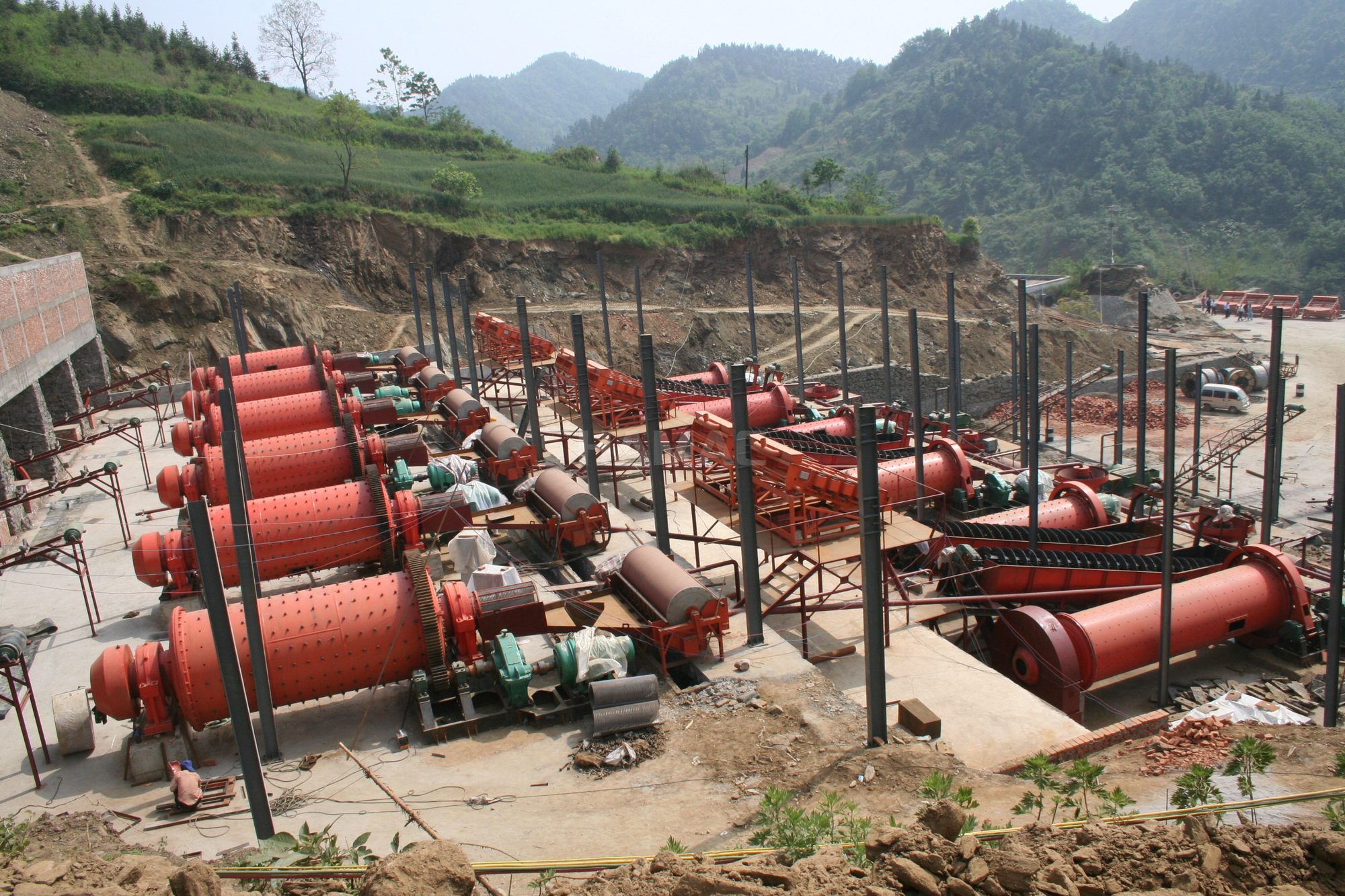
Overview
A 500–800 tph crushing plant is a common size for Malaysia. Main machines: dual primary + multi-cone. Large quarry / mine feed.
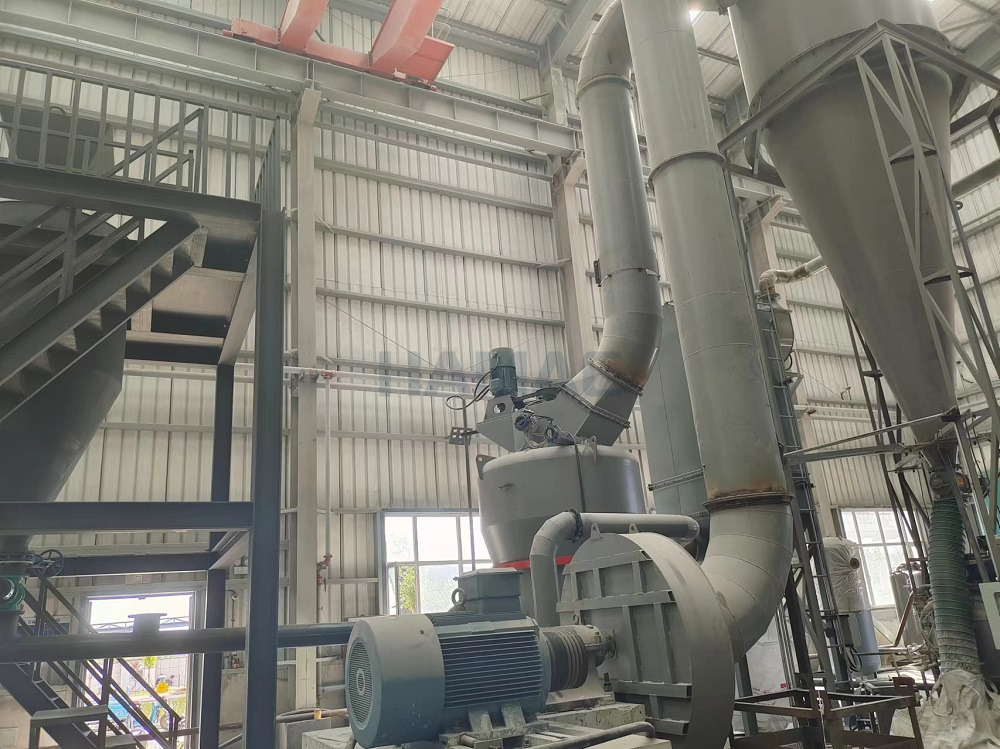
Main equipment
- dual primary + multi-cone
- Shipped to Port Klang.
- Configured to 415V 50Hz / SIRIM.
Selection
- Size to saleable t/h +10–20% surge.
- Hard rock → jaw+cone; soft → jaw+impact.
- Add VSI for sand/shape.
For Malaysia
- Port: Port Klang.
- Voltage: 415V 50Hz.
- Standards: SIRIM.
Reference data for this configuration
| Parameter | Reference value |
|---|---|
| Design capacity | 500–800 t/h |
| Typical main line | dual primary + multi-cone |
| Scale note | Large quarry / mine feed. |
| Destination port | Port Klang |
| Site supply | 415V 50Hz |
| Local standards | SIRIM |
| Region | Asia |
| Assumed duty | manufactured-sand production |
| Evaluation horizon | three-year view |
At manufactured-sand production, the ranking of these parameters changes: lowest energy per tonne usually becomes the deciding constraint rather than the headline tonnage.
Project profile these notes assume
| Assumption | Value |
|---|---|
| Operating duty | manufactured-sand production |
| Primary objective | lowest energy per tonne |
| Evaluation horizon | three-year view |
| Site condition | a remote mine site |
| Operating team | a rotating shift crew |
Change any one of these assumptions and the recommended configuration for the crushing and screening plant may change. HAMAC re-runs the same checks against your own numbers once the enquiry data sheet is received.
From enquiry to the first saleable tonne
- Confirm the haul-road and stockpile plan with a remote mine site in mind before fixing conveyor lengths.
- Set the closed-side setting or rotor speed against the required product fractions, then verify the expected reduction ratio.
- Survey the feed: the feed material; record top size, bulk density, moisture and clay content before fixing the flow sheet.
- Log tonnes per liner set and kWh per tonne from day one so you have a real cost baseline within a quarter.
- Specify motors, starters and documentation for 415V 50Hz and SIRIM before manufacture.
- Define the acceptance test: sampling points, test duration, moisture range and who signs the protocol.
- Verify the electrical single-line diagram, cable sizing and starter type with the local utility.
- Check bearing and lubrication arrangements against the ambient temperature range at the site.
- Lay out the dual primary + multi-cone arrangement with straight conveyor runs and crane access for liner changes.
Most delays at this stage come from missing feed data rather than from manufacturing capacity.
What to verify before you sign
- Decommissioning or relocation value at the end of a three-year horizon.
- Nameplate data for 415V 50Hz and the SIRIM certificate set.
- Saleable tonnes per hour at each product size, not gross crusher throughput, for 500–800 t/h.
- Spare-parts consignment: one full liner or blow-bar set plus meshes, belts, bearings and seals.
- Screen deck count, aperture and area; ask for the efficiency calculation, not just the mesh size.
- Product sampling points and the lab equipment needed for routine grading checks.
- Choke-feed arrangement: surge bin, feeder control and level indication.
- Erection scope: supervision only, or full civil, mechanical and electrical installation.
- Liner alloy: Mn13 matched to the rock, not to the lowest purchase price.
These are the items HAMAC puts in the technical proposal; if another offer is silent on them, ask why.
Where the money actually goes
| Cost line | Indicative share | What moves the number |
|---|---|---|
| Equipment & drive packages | 53% | Model size, number of stages and automation level |
| Ocean freight & insurance | 11% | Destination port, container count and out-of-gauge cargo |
| Civil works & foundations | 8% | Soil conditions, dynamic loads and site preparation |
| Erection, commissioning & training | 7% | Local labour, supervision scope and schedule |
| First-year wear parts | 14% | Rock abrasiveness, liner grade and operating hours |
| Power, lubricants & consumables | 7% | kWh per tonne, local tariff and dust suppression water |
The weighting shifts with hardness and scale — a hard feed pushes the wear line up, while a larger plant pushes equipment share up.
Mistakes that cost more than the machine
- Undersizing the screen, then blaming the crusher for a plant that never reaches 500–800 t/h.
- Comparing quotations with different port terms and calling the lower number cheaper.
- Skipping the acceptance test, so no one has a baseline to measure degradation against.
- Forgetting surge capacity — an intermittent loader starves the chamber and ruins particle shape.
- Choosing screen apertures before the concrete or asphalt mix design is fixed.
- Ignoring clay and moisture until the first wet season, when decks blind and chambers pack.
- Letting the manufactured-sand production duty be defined verbally instead of in the contract.
- Ordering no spares with the plant and waiting six weeks for the first liner set.
For manufactured-sand production, protect the lowest energy per tonne requirement explicitly in the contract documents.
Commissioning checklist
- Measure noise and dust at the operator position against the local limit.
- Sample each product fraction and compare with the specification.
- Confirm all guards, emergency stops and pull-wire switches function.
- Check lubrication levels, grease lines and oil cooler operation.
- Test emergency stops, pull wires and interlock trips in sequence.
- Introduce feed in graded steps: 25%, 50%, 75%, then full load.
- Record the baseline grading curve for each product fraction.
- Check hydraulic pressure, accumulator pre-charge and tramp-release function.
The commissioning record becomes the reference for every liner change in the three-year plan.