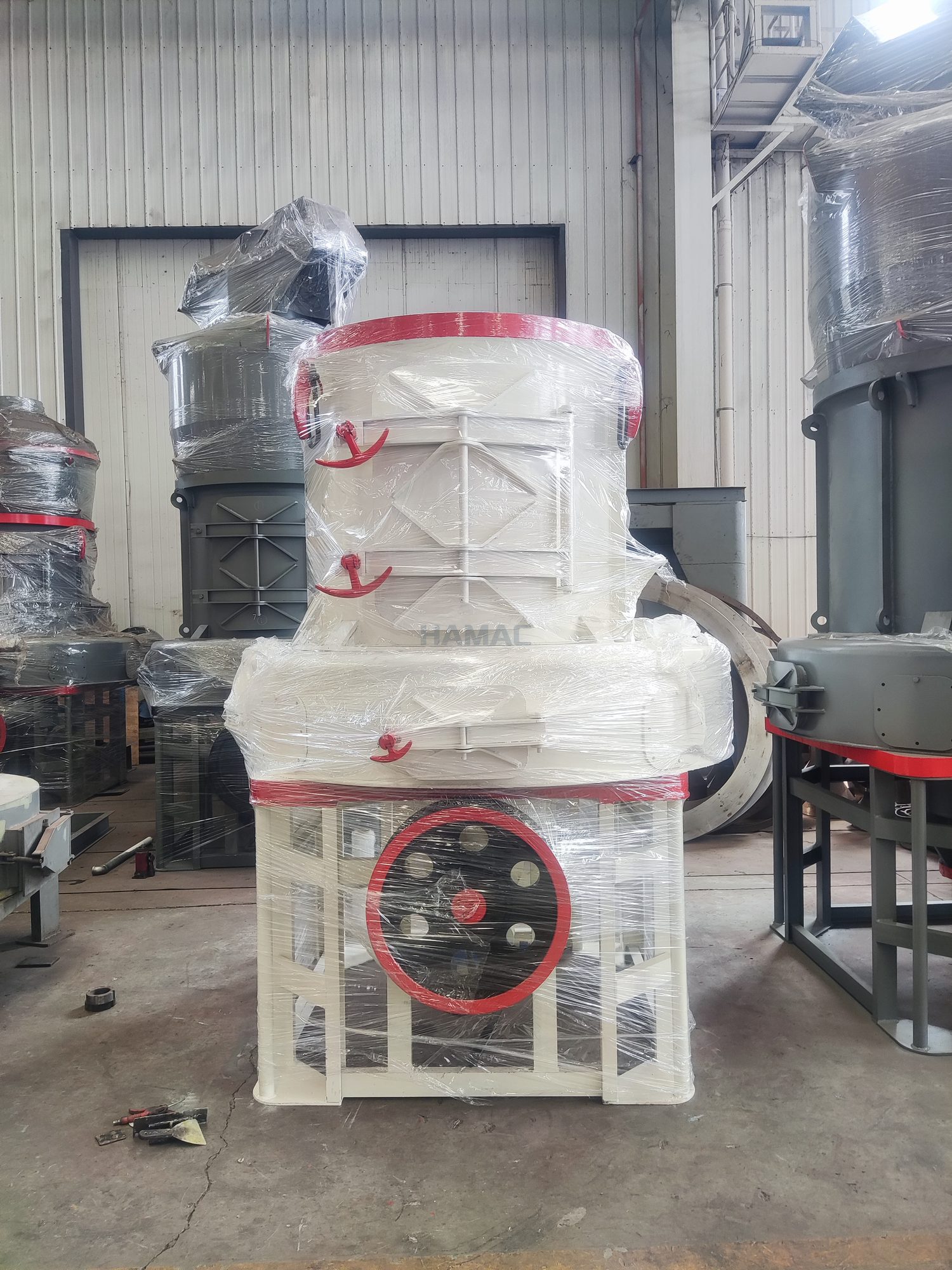
Overview
A 500–800 tph crushing plant is a common size for Angola. Main machines: dual primary + multi-cone. Large quarry / mine feed.
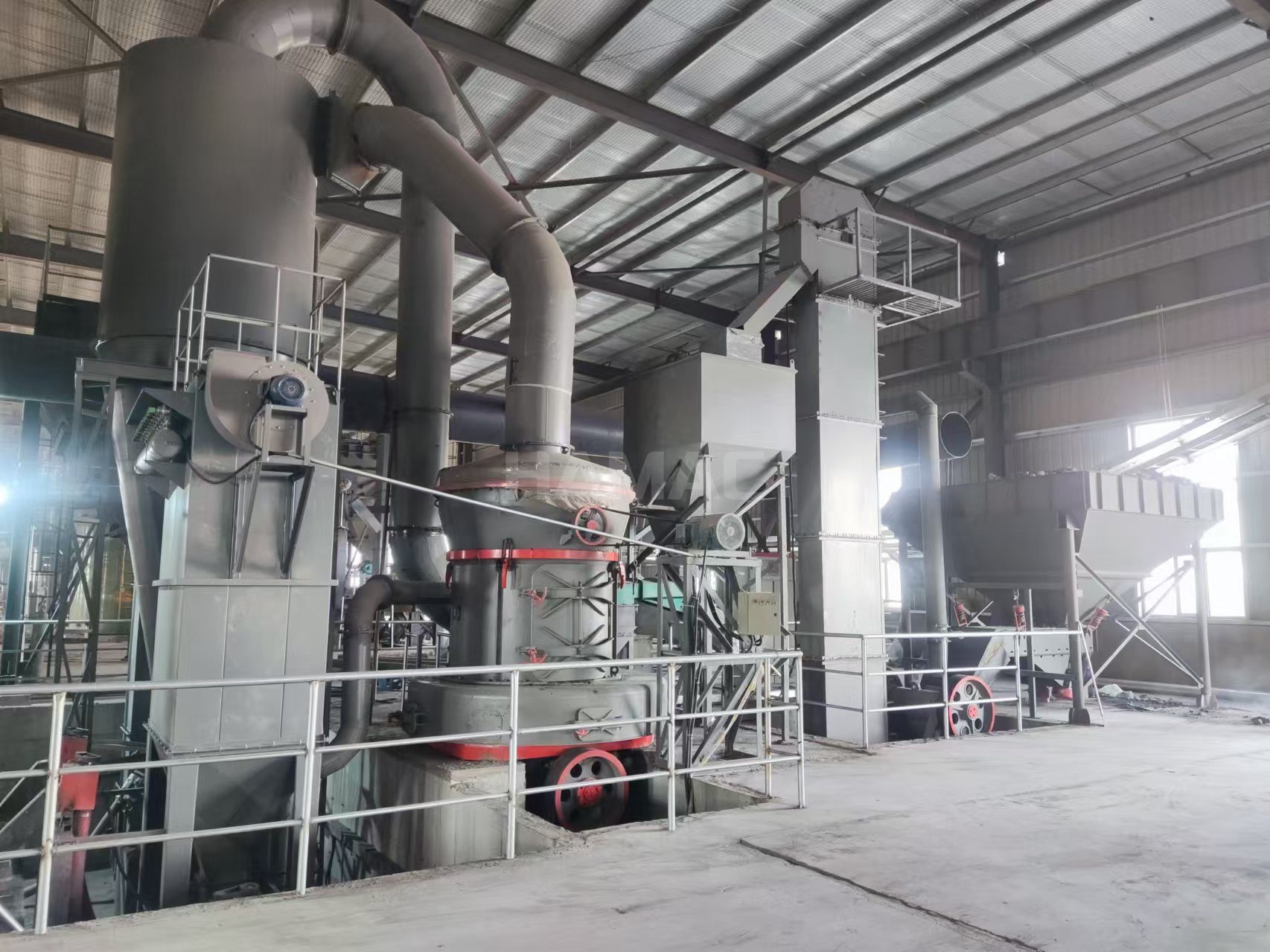
Main equipment
- dual primary + multi-cone
- Shipped to Luanda.
- Configured to 380V 50Hz / NA.
Selection
- Size to saleable t/h +10–20% surge.
- Hard rock → jaw+cone; soft → jaw+impact.
- Add VSI for sand/shape.
For Angola
- Port: Luanda.
- Voltage: 380V 50Hz.
- Standards: NA.
Reference data for this configuration
| Parameter | Reference value |
|---|---|
| Design capacity | 500–800 t/h |
| Typical main line | dual primary + multi-cone |
| Scale note | Large quarry / mine feed. |
| Destination port | Luanda |
| Site supply | 380V 50Hz |
| Local standards | NA |
| Region | Africa |
| Assumed duty | seasonal road-project supply |
| Evaluation horizon | three-year view |
Ask for the same table from any competing supplier; without it, an offer for the crushing and screening plant cannot be compared on scope.
Project profile these notes assume
| Assumption | Value |
|---|---|
| Operating duty | seasonal road-project supply |
| Primary objective | simple operator maintenance |
| Evaluation horizon | three-year view |
| Site condition | a greenfield site |
| Operating team | an owner-operator team |
Change any one of these assumptions and the recommended configuration for the crushing and screening plant may change. HAMAC re-runs the same checks against your own numbers once the enquiry data sheet is received.
From enquiry to the first saleable tonne
- Allocate screen area per deck; blinding and pegging are the most common hidden bottlenecks in a new plant.
- Confirm the haul-road and stockpile plan with a greenfield site in mind before fixing conveyor lengths.
- Lay out the dual primary + multi-cone arrangement with straight conveyor runs and crane access for liner changes.
- Survey the feed: the feed material; record top size, bulk density, moisture and clay content before fixing the flow sheet.
- Set the maintenance stock list from the expected wear rate, not from a percentage of the equipment price.
- Plan training for an owner-operator team on CSS adjustment, liner change-out and lock-out / tag-out.
- Include dust suppression, guarding, emergency stops and lock-out points in the layout drawing.
- Size the primary stage for 500–800 t/h with a 10–20% surge allowance — never on nameplate throughput alone.
- Run a sieve analysis on a representative sample and attach the grading curve to the enquiry.
Shortening this sequence is possible on a greenfield site, but only where the feed and product specification are already fully defined.
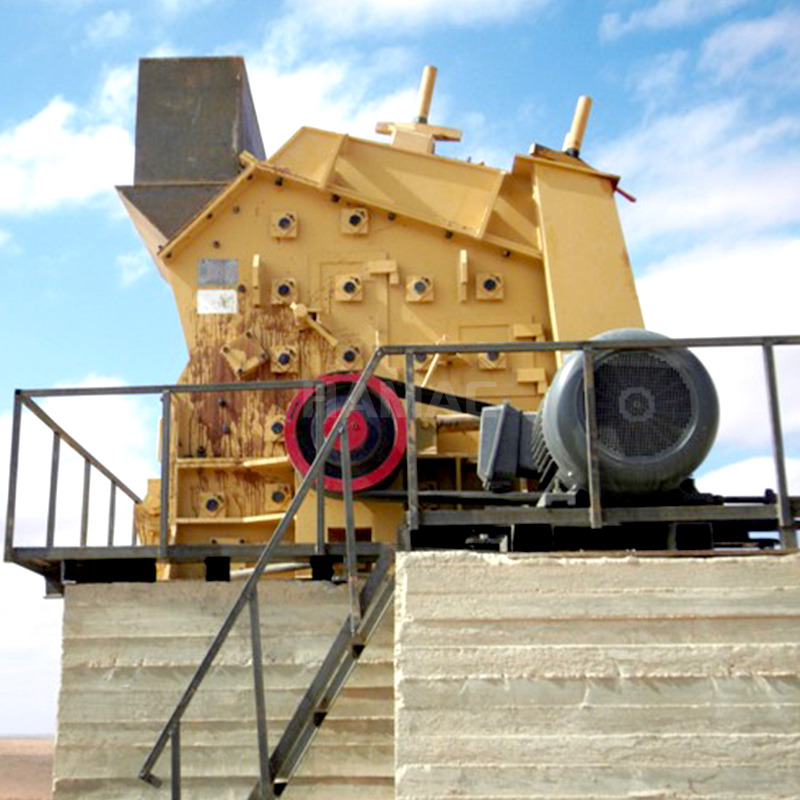
What to verify before you sign
- Nameplate data for 380V 50Hz and the NA certificate set.
- Whether the quoted t/h is achieved at seasonal road-project supply or under ideal laboratory feed.
- After-sales response time, technician availability and the warranty exclusions in writing.
- Saleable tonnes per hour at each product size, not gross crusher throughput, for 500–800 t/h.
- Access for liner change-out — crane radius, lifting points and clearance around the chamber.
- Screen deck count, aperture and area; ask for the efficiency calculation, not just the mesh size.
- Choke-feed arrangement: surge bin, feeder control and level indication.
- Wear-part interchangeability across machines in the same circuit.
- Liner alloy: Mn13 matched to the rock, not to the lowest purchase price.
Ask each supplier to price the same list. Quotations for the crushing and screening plant only become comparable when the scope is identical.
Where the money actually goes
| Cost line | Indicative share | What moves the number |
|---|---|---|
| Equipment & drive packages | 53% | Model size, number of stages and automation level |
| Ocean freight & insurance | 11% | Destination port, container count and out-of-gauge cargo |
| Civil works & foundations | 8% | Soil conditions, dynamic loads and site preparation |
| Erection, commissioning & training | 7% | Local labour, supervision scope and schedule |
| First-year wear parts | 14% | Rock abrasiveness, liner grade and operating hours |
| Power, lubricants & consumables | 7% | kWh per tonne, local tariff and dust suppression water |
A three-year view normally reverses the ranking of two otherwise similar offers once wear and energy are included.
Mistakes that cost more than the machine
- Forgetting surge capacity — an intermittent loader starves the chamber and ruins particle shape.
- Skipping a geotechnical check and discovering settlement under the primary crusher at a greenfield site.
- Planning the crusher but not the conveyors, transfer chutes and stockpile capacity around it.
- Specifying motors for the wrong voltage or frequency and rewinding them on site.
- Choosing screen apertures before the concrete or asphalt mix design is fixed.
- Assuming a mobile plant can match a stationary line on high-tonnage, multi-product duty.
- Letting the seasonal road-project supply duty be defined verbally instead of in the contract.
- Skipping the acceptance test, so no one has a baseline to measure degradation against.
Review the list with an owner-operator team before the order is placed — they will recognise most of them.
Commissioning checklist
- Sample each product fraction and compare with the specification.
- Dry-run the plant empty for the specified period and record vibration.
- Check belt tracking, chute build-up and transfer-point dust.
- Test emergency stops, pull wires and interlock trips in sequence.
- Verify chute liners, skirt rubber and impact bars after the first hour of feed.
- Record the baseline grading curve for each product fraction.
- Calibrate the belt scale and any level probes against a known load.
- Confirm all guards, emergency stops and pull-wire switches function.
For an owner-operator team, run through this list twice — once with the supervisor and once without.