Configuration summary
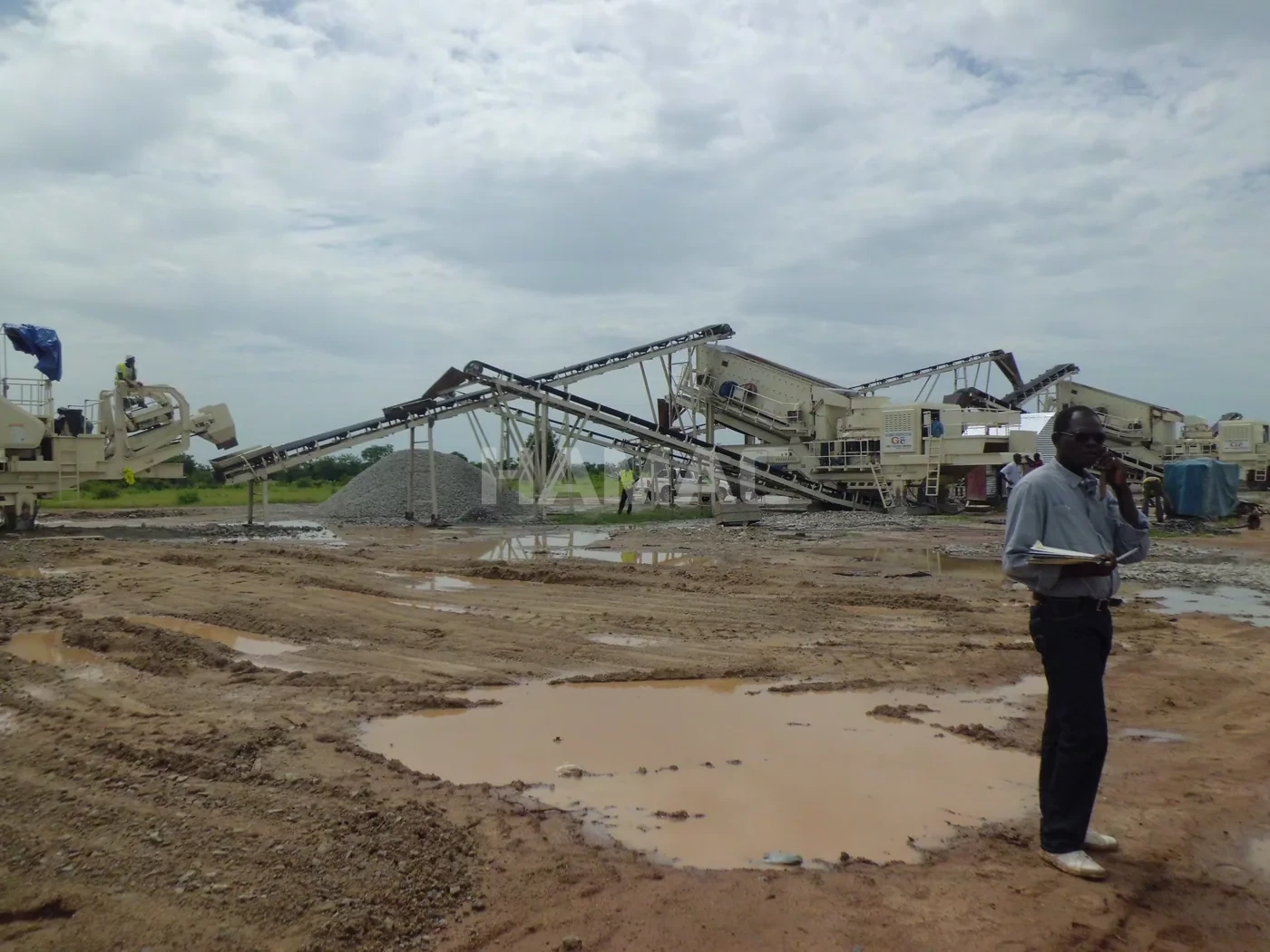
100 TPH limestone stationary crushing plant in Peru is an indicative HAMAC Machinery engineering reference configuration for Peru, not a record of a delivered plant. It sizes a 100 TPH line for limestone from published equipment data; no customer name, contract value or commissioning date is claimed. Engineering reference for a 100-120 t/h limestone stationary crushing plant in Peru, sized for aggregate for concrete and road base. The configuration below is an indicative HAMAC circuit for this material and throughput; final equipment selection follows a material test, feed gradation, saleable product fractions and site power review. Figures are nominal and should be confirmed in a written proposal.
Engineering reference for a 100-120 t/h limestone stationary crushing plant in Peru, sized for aggregate for concrete and road base. The configuration below is an indicative HAMAC circuit for this material and throughput; final equipment selection follows a material test, feed gradation, saleable product fractions and site power review. Figures are nominal and should be confirmed in a written proposal.
| Parameter | Value |
|---|---|
| Raw Material | limestone |
| Nominal Capacity | 100-120 t/h |
| Maximum Feeding Size | 630 mm |
| Output Size | 0-10, 10-20, 20-40 mm |
| Primary Crusher | PE750×1060 jaw crusher |
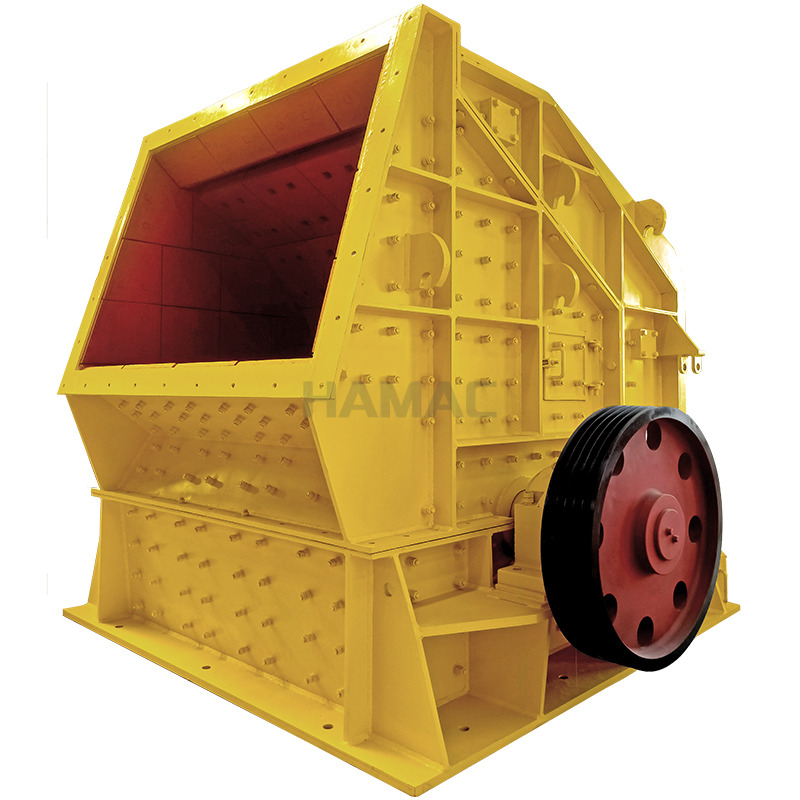
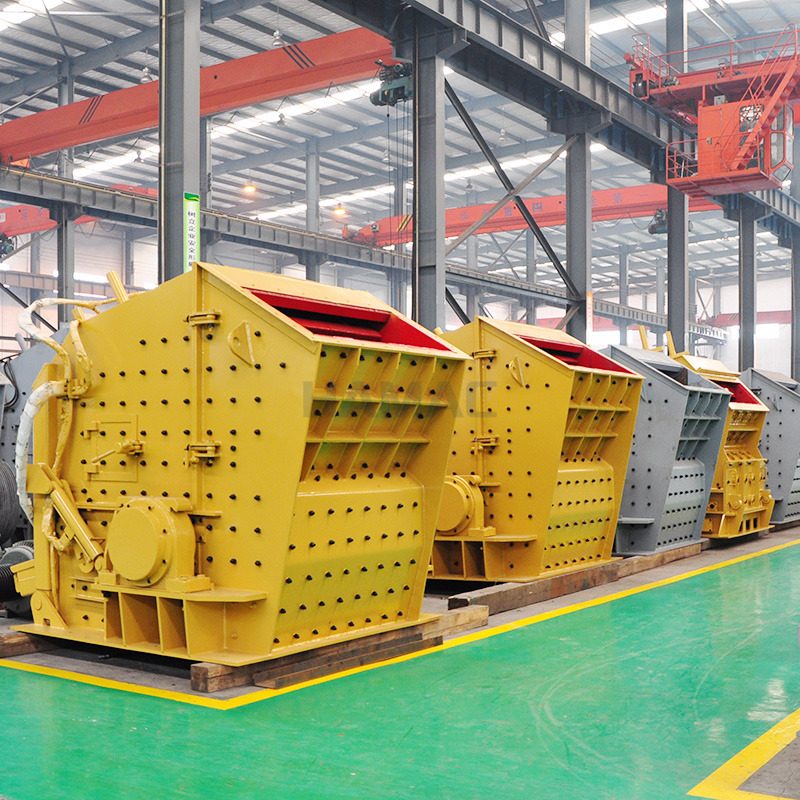
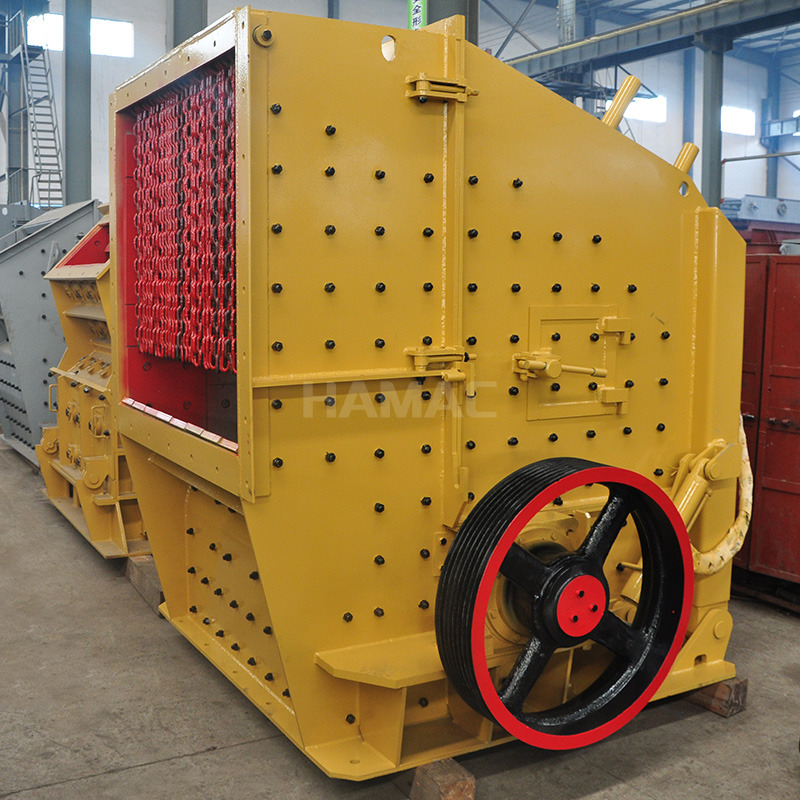
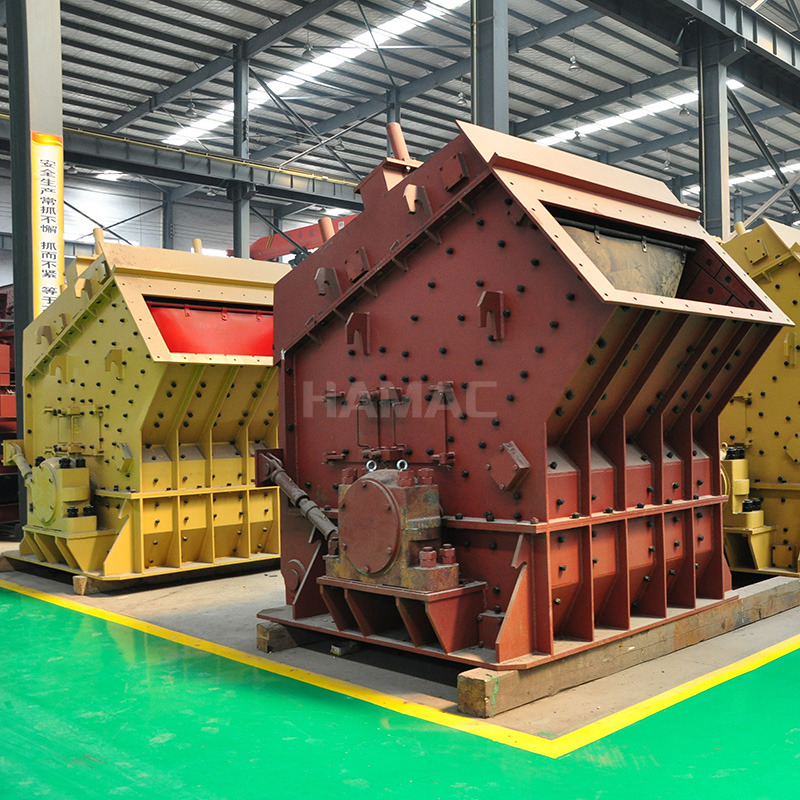
| Secondary Crusher | PF1315 impact crusher |
| Vibrating Screen | YK2160, 3 decks |
| Circuit | jaw + impact in closed circuit |
| Application | aggregate for concrete and road base |
| Power & Layout | confirmed after site review |
Equipment configuration and process
The indicative configuration for this study is listed above. In HAMAC projects, the equipment list is fixed only after the raw material, feed gradation and saleable product fractions are confirmed — the same nominal capacity can require different crushers for basalt, limestone or river pebble.
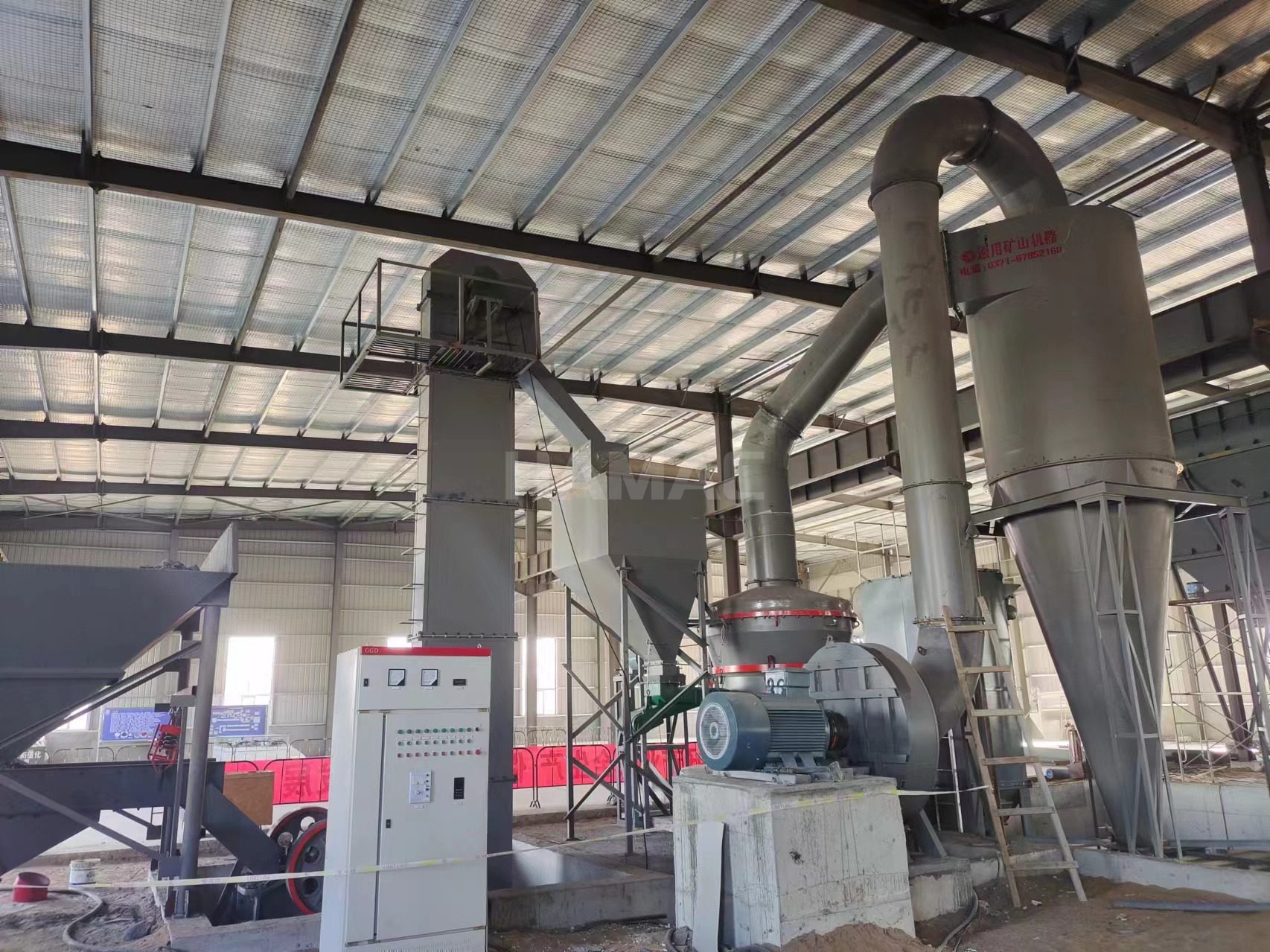
A typical line of this size runs: vibrating feeder → primary jaw crusher → secondary cone or impact crusher → multi-deck vibrating screen → belt conveyors, with oversize returned in closed circuit. Dust suppression, washing and a magnetic separator are added where the feed or product specification requires them.
For a 100 TPH limestone line in Peru, three inputs usually decide the final bill of materials: container and inland haulage limits at the destination port often decide whether the frame ships assembled or as bolted modules; spare-part lead time for liners, blow bars and screen meshes should be agreed with the maintenance plan, not after the first wear cycle; a surge pile between the primary and secondary stages decouples the two crushers and protects throughput when the feed gradation swings. These are the points a HAMAC engineer checks against your own test data before the equipment list is fixed; the table above is therefore a starting specification rather than a quotation.
Compare similar plants in the project library or browse plant designs by capacity.
Delivery, installation and support
HAMAC's stated service scope covers initial consultation, solution design, site visit, production, shipment, installation supervision, commissioning, operator training, spare-parts supply and after-sales handling. For export projects the commercial scope is normally agreed as FOB, CFR or CIF, with local civil work and lifting equipment defined in the contract.
- Factory assembly and test before shipment
- Container / break-bulk loading plan with shipped spare parts and tools
- Installation drawings and commissioning supervision
- Operator training and recommended wear-parts stock list