
Jaw Plate & Cone Crusher Liner Wear: Replacement Cycle and Maintenance Guide
Jaw Plate & Cone Crusher Liner Wear: Replacement Cycle and Maintenance Guide is usually a symptom of feed, setting or wear — rarely a sudden mechanical failure. The fastest route to a diagnosis is to record four numbers before touching the machine: actual t/h, crusher current draw, closed-side setting, and the feed size distribution entering the chamber.
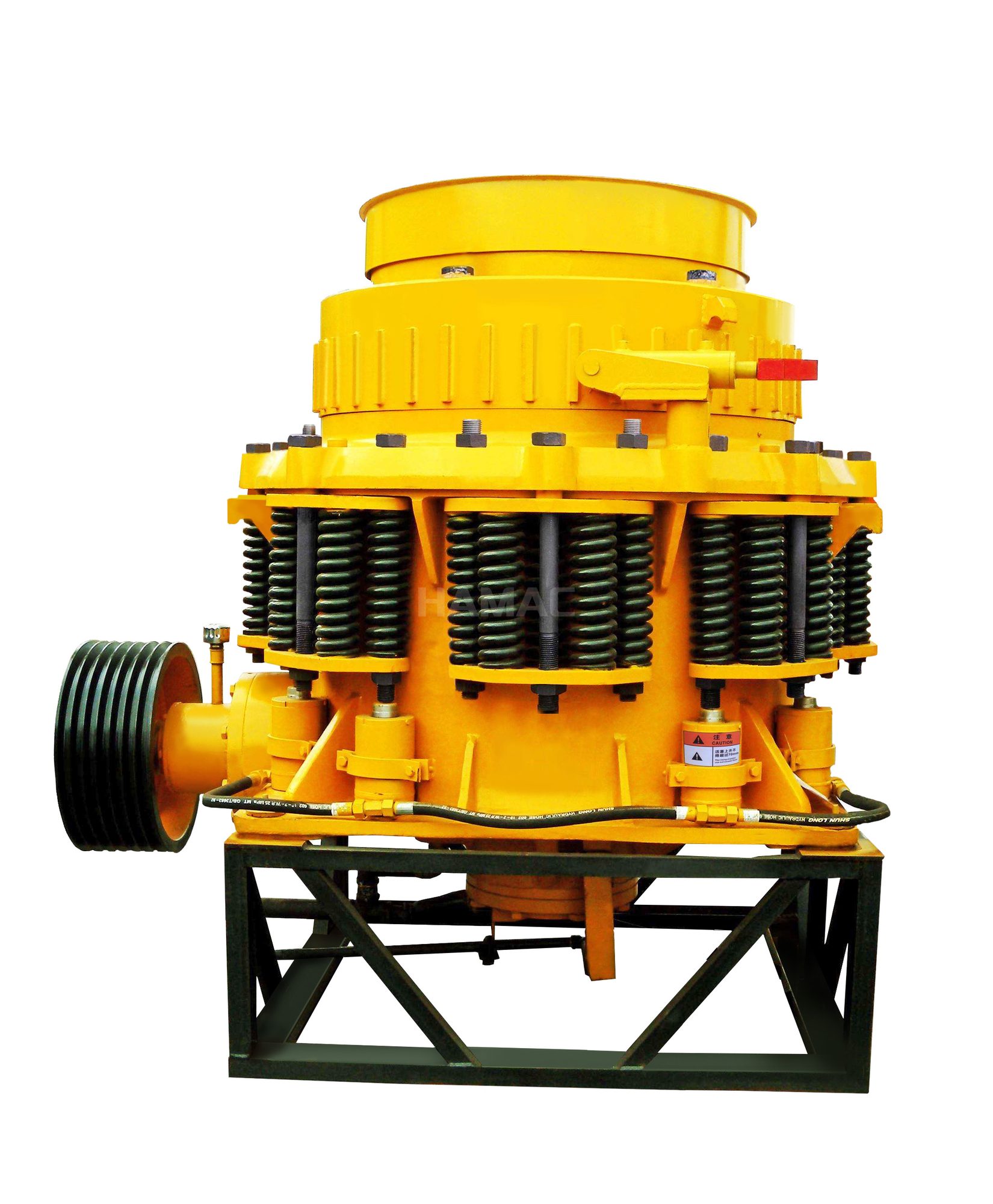
Symptoms, causes and safe checks
| Symptom | Likely cause | First safe check |
|---|---|---|
| Output below rated t/h | Worn liners, too tight CSS, wet / clay feed, insufficient feeder rate | Measure actual feed rate and CSS with the machine isolated and locked out |
| Bearing running hot | Lubrication, alignment, contaminated grease, overloading | Check grease grade / quantity and bearing temperature trend |
| Excessive vibration or noise | Loose foundation bolts, uneven feed, worn toggle / springs, unbalance | Inspect fasteners and feed distribution across the chamber width |
| Chamber blockage / choking | Oversize feed, high moisture, discharge conveyor overload | Clear only after full lockout; never reach into a running chamber |
Wear-part selection
Manganese steel grades (Mn13, Mn18, Mn22) and high-chromium cast iron behave differently: higher manganese work-hardens under impact, while high-chromium offers better abrasion resistance in low-impact duties. Matching the liner to the rock is worth more than buying the most expensive alloy. See the jaw plate material guide and the liner replacement cycle guide.
Preventive maintenance rhythm
- Every shift: check lubrication, unusual noise, belt tracking, discharge size and emergency stops.
- Weekly: inspect liner wear profile, tighten foundation and liner bolts, check screen mesh tension and conveyor idlers.
- Monthly: measure CSS, check bearing clearance and grease condition, inspect V-belt tension, review kWh/t and liner tonnes.
Always follow lockout / tagout procedures and the manufacturer's manual before any inspection inside the chamber.
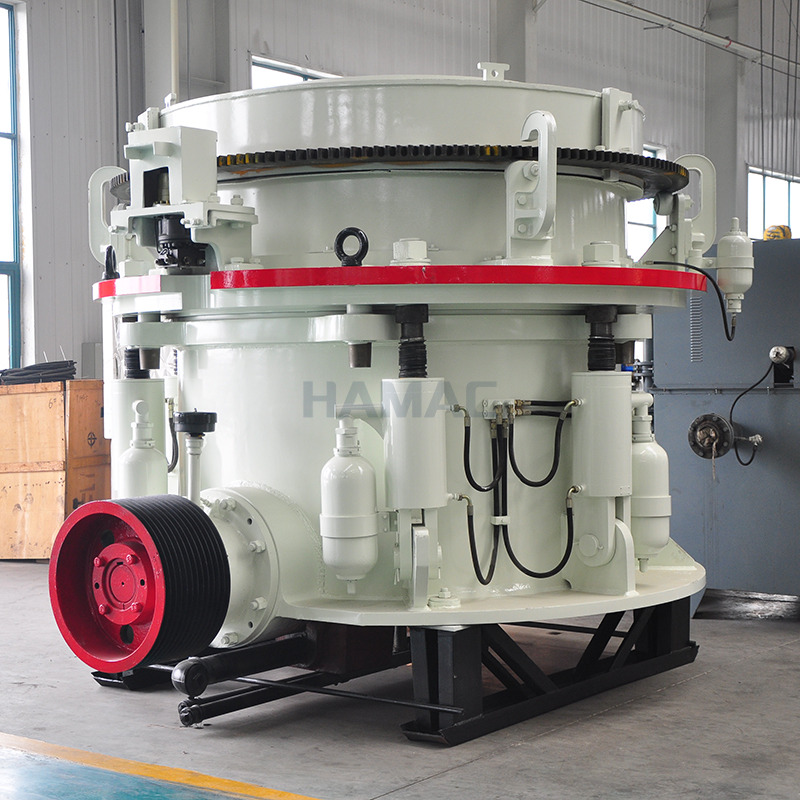
Spare parts planning
Keep at least one set of chamber liners or blow bars, screen meshes for each deck, V-belts, bearings and seals, feeder springs and common electrical consumables. HAMAC ships a recommended spare-parts list with each plant — see wear parts & service.