
● Crushing & grinding equipment · Since 2004
Equipment
Wheel Type Mobile CrushersTracked Crushing PlantsCone CrusherJaw CrusherImpact CrusherGrinding MillsModular Crushing PlantSupporting EquipmentsSand Making & Washing
Solutions
All solutionsEngineering solutions (700)Circuit designGrinding & mineralsProjectsMarkets
Company
About HAMACResourcesIndustry glossaryBlogFAQWear partsContact
Technical guide

How to Design a Stone Crushing Plant by Capacity: 100 TPH, 200 TPH and 300 TPH

A 100 TPH stone crushing plant is sized by its saleable output, not by a crusher's catalogue maximum.

How to Design a Stone Crushing Plant by Capacity: 100 TPH, 200 TPH and 300 TPH

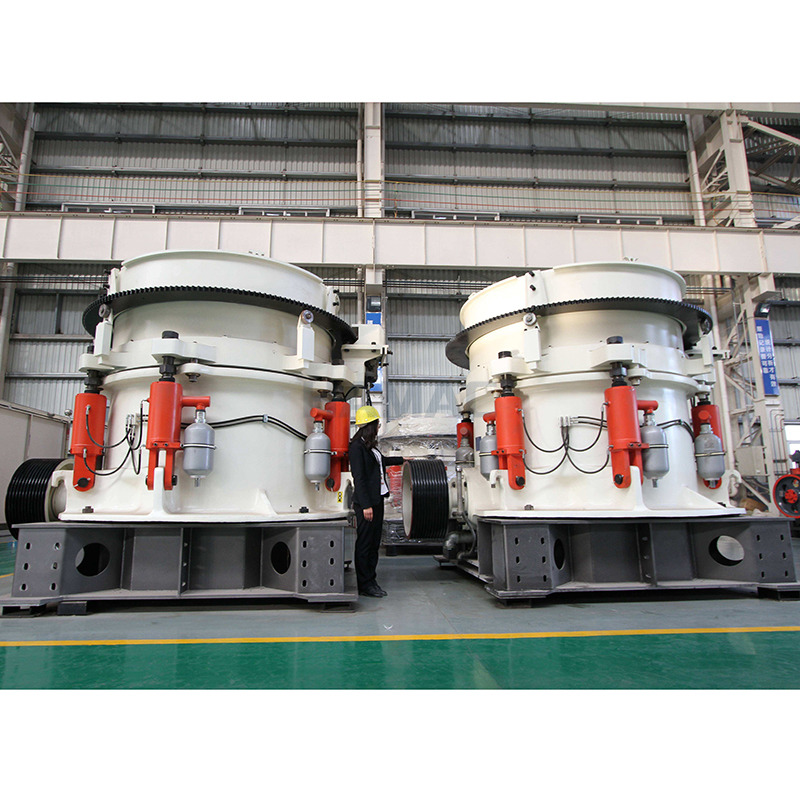
A 100 TPH stone crushing plant is sized by its saleable output, not by a crusher's catalogue maximum. For 100 TPH of graded aggregate, HAMAC normally engineers two crushing stages, a screening area matched to the recirculating load, and conveyors with 10–20% surge margin.
100 TPHdesign throughput
two crushingcrushing stages
10–20%conveyor surge margin
24 hquotation turnaround
How to Design a Stone Crushing Plant by Capacity: 100 TPH, 200 TPH and 300 TPH — HAMAC crushing and screening equipment reference
How to Design a Stone Crushing Plant by Capacity: 100 TPH, 200 TPH and 300 TPH — HAMAC crushing and screening equipment reference.

Recommended equipment configuration

The table below is the starting configuration HAMAC engineers use for a 100 TPH plant. Final models are confirmed after the material test.

Indicative 100 TPH plant equipment list
StageEquipmentSizing rule
FeedingVibrating feeder (GZD / ZSW series)Hopper volume covers 1.5–2 truck loads; grizzly removes natural fines
PrimaryPE series jaw crusher or C series jaw crusherFeed opening ≥ 1.15 × maximum block size
SecondaryHPT cone for hard rock / PF impact crusher for soft rockSelected by compressive strength and silica content
Screening3-deck YK vibrating screenScreen area sized for the recirculation load, not just fresh feed
ConveyingB800–B1200 belt conveyors10–20% above nominal plant capacity

Process flow and closed circuit

Blasted rock is tipped into the hopper, metered by the vibrating feeder, reduced in the jaw crusher and then in the secondary crusher. A multi-deck screen separates the saleable fractions; oversize returns to the secondary crusher. This closed loop is what keeps the product gradation stable at 100 TPH.

Layout, power and civil work

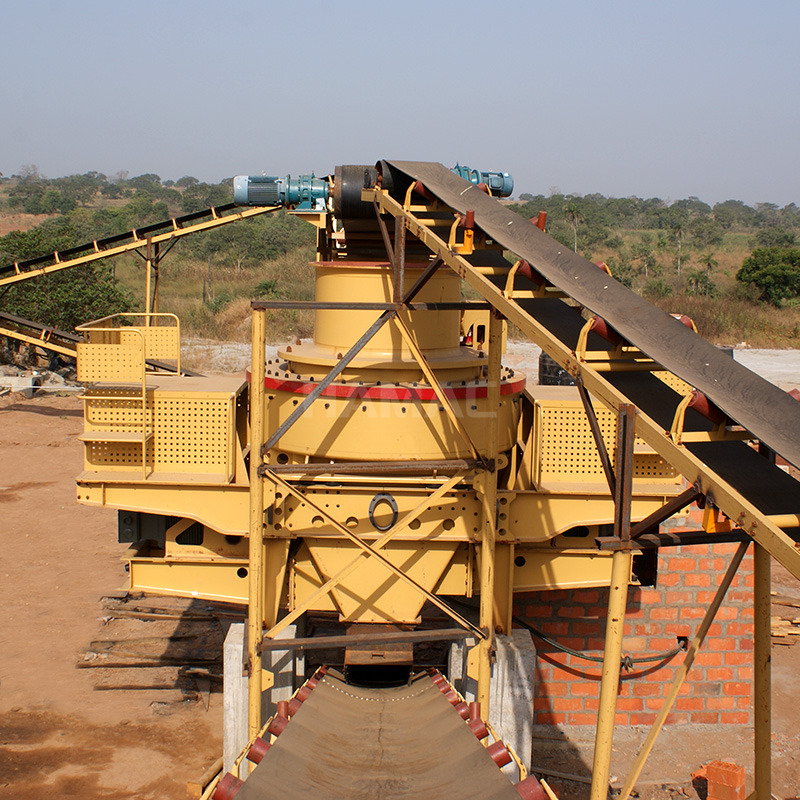
A 100 TPH stationary line typically needs a compact linear or L-shaped layout with a stockpile zone for each fraction, a maintenance lane for liner replacement, and a settling or spray system for dust. Grid power, water supply and foundation curing time should be confirmed before equipment production begins. Where civil work must be minimised, KJ modular stations or a wheel mobile plant remove most concrete foundations.
Layout, power and civil work — HAMAC crushing and screening equipment reference
Layout, power and civil work — HAMAC crushing and screening equipment reference.

How to expand later

Reserve conveyor capacity and space at the secondary stage. The most common upgrades are adding a third crushing stage for more manufactured sand, increasing screen area, or adding a parallel line. See the 300 TPH expansion guide and the full capacity matrix.

FAQ

Questions & short answers

Answer-first responses on the same topic.

What equipment is needed for a 100 TPH stone crushing plant?

A vibrating feeder, primary jaw crusher, secondary cone or impact crusher, a 3-deck vibrating screen and belt conveyors, plus an electrical control system. Exact models depend on the rock's compressive strength, maximum feed size and required aggregate fractions.

How much does a 100 TPH crusher plant cost?

Cost is driven by the number of stages, crusher size, mobility, motors, steel structure and conveyors. Request an itemised FOB/CIF quotation with your material and product grading via the RFQ form.

How much power does a 100 TPH plant need?

Installed power scales with crusher size and the number of stages; a jaw + cone + screens + conveyors line is usually quoted with the full motor list and a recommended transformer / generator rating in the HAMAC proposal.

How long does installation take?

Equipment manufacturing time is quoted per order. On-site duration is dominated by civil work: mobile and modular plants avoid most foundations, while large stationary lines require foundation curing before erection.

Can one plant produce several aggregate sizes?

Yes. A 3- or 4-deck screen produces multiple saleable fractions in one pass; the crusher closed-side setting and screen meshes are selected to match your local grading standard.

Request a quotation

Tell us what you need

A short message is enough. A HAMAC engineer replies with a flow sheet and budget within 24 hours.

Get a plant design & quotation

Two fields are enough. An engineer replies with a flow sheet and budget within 24 hours.

Not sure what to write? Tap what fits. optional · one tap each
Material
Target capacity
We only use your details to answer this enquiry. Privacy Policy
✆

WhatsApp / Mobile

+86-151-3623-6223
☎
⌖

Factory & headquarters

No. 57 Kexue Avenue, National Hi-Tech Industrial Development Zone, Zhengzhou, Henan, China

⏱

Response time

Technical reply within 24 hours, Monday to Saturday.

Tell us your material, capacity and site conditions.

Our engineers will return a process flow, equipment list and budget quotation within 24 hours — at no cost and with no obligation.

WhatsApp Get a quote Call