
Dust Control for Stone Crusher Plants: Engineering Solutions and Compliance Guide
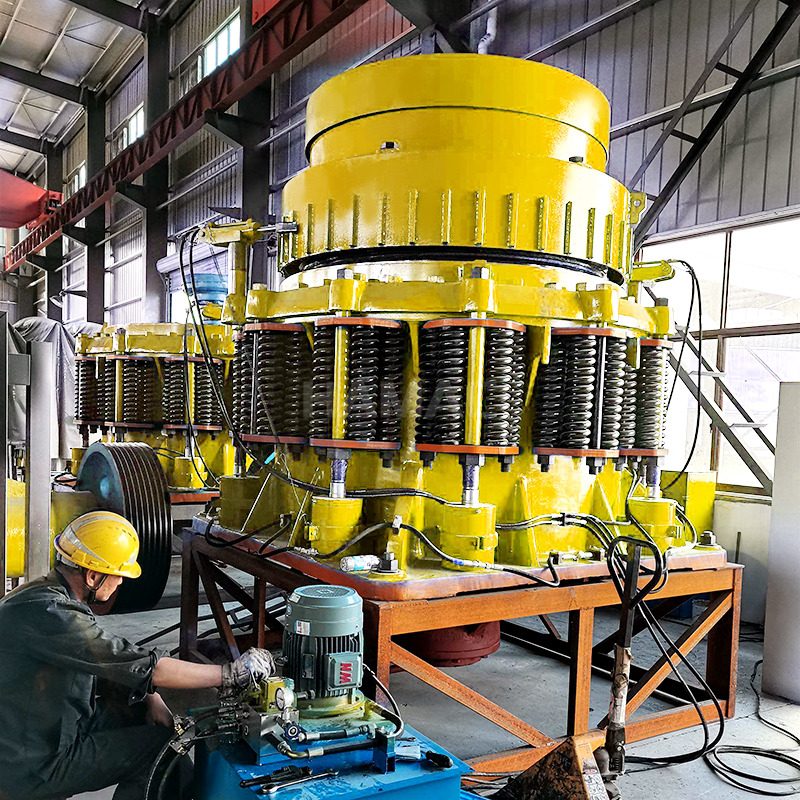
Dust Control for Stone Crusher Plants: Engineering Solutions and Compliance Guide: the correct circuit is decided by compressive strength, silica / abrasiveness, moisture and the required product grading. Hard rock demands compression crushing; softer rock can use impact crushing for better particle shape; manufactured sand adds a VSI shaping and washing stage.
Material properties that change the design
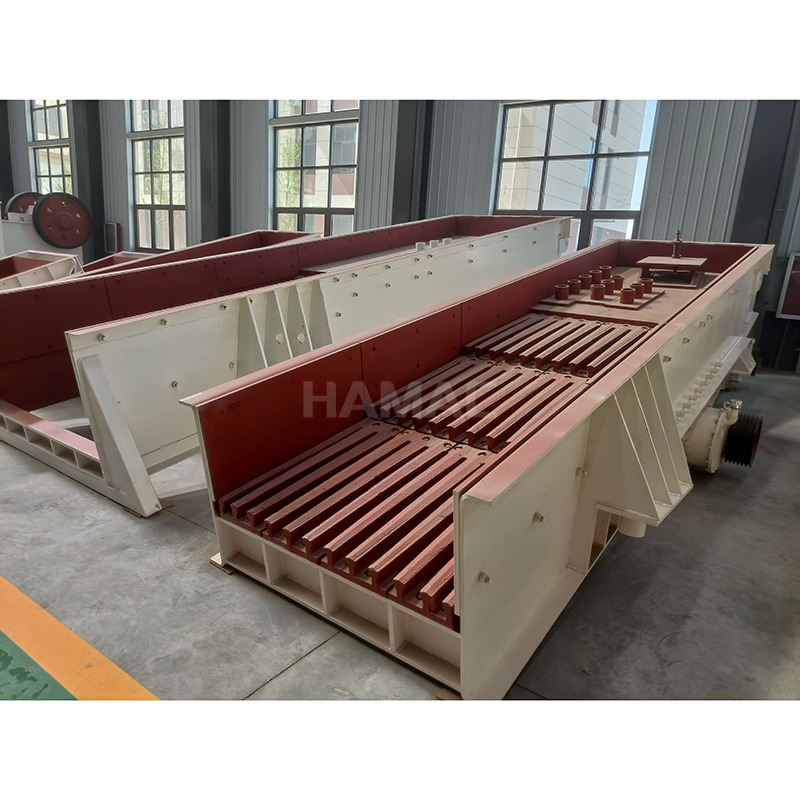
Compressive strength decides whether compression or impact crushing is economical. Silica content and abrasiveness decide wear-part material and cost per tonne. Clay and moisture decide whether a washing stage, a grizzly feeder and a larger screen area are needed. Bulk density affects conveyor and hopper sizing.
Recommended circuits by material
| Material | Recommended circuit | Key caution |
|---|---|---|
| Granite | Jaw → cone → (VSI) → screen | High abrasion: budget for liner consumption |
| Basalt | Jaw → cone → VSI → screen | Excellent aggregate but hard on wear parts |
| Limestone | Jaw → impact → screen | Moisture / clay can blind screens |
| River pebble | Jaw → cone → VSI → washer | High silica; VSI rotor tips are a major cost |
| Gold / copper ore | Jaw → cone → screen → grinding mill | Mill feed size controlled below 15–25 mm |
Dust, water and compliance
Crushing plants generate dust at the feeder, crusher discharge, screen and transfer points. A practical design combines enclosure at transfer points, spray or fog suppression where water is available, bag filtration for dry circuits, and settling / recycling ponds for wet washing lines. Dust control should be sized together with the plant, not added afterwards — see the dust control engineering guide.
From design to quotation
Browse plant designs by material and capacity, check real projects processing the same rock, then send your material sample data and product grading through the RFQ form.