
Qu'est-ce qui est le mieux : un concasseur à cône ou un concasseur à mâchoires ?
Which is better, a cone crusher or a jaw crusher? is a question about where the machine sits in the circuit and what it costs per tonne, not about which machine is "better". The short answer: compression crushers (jaw, cone) suit hard abrasive rock and high tonnage; impact crushers suit softer rock and recycling where particle shape matters; mobile units trade some capacity for zero foundations and fast relocation.
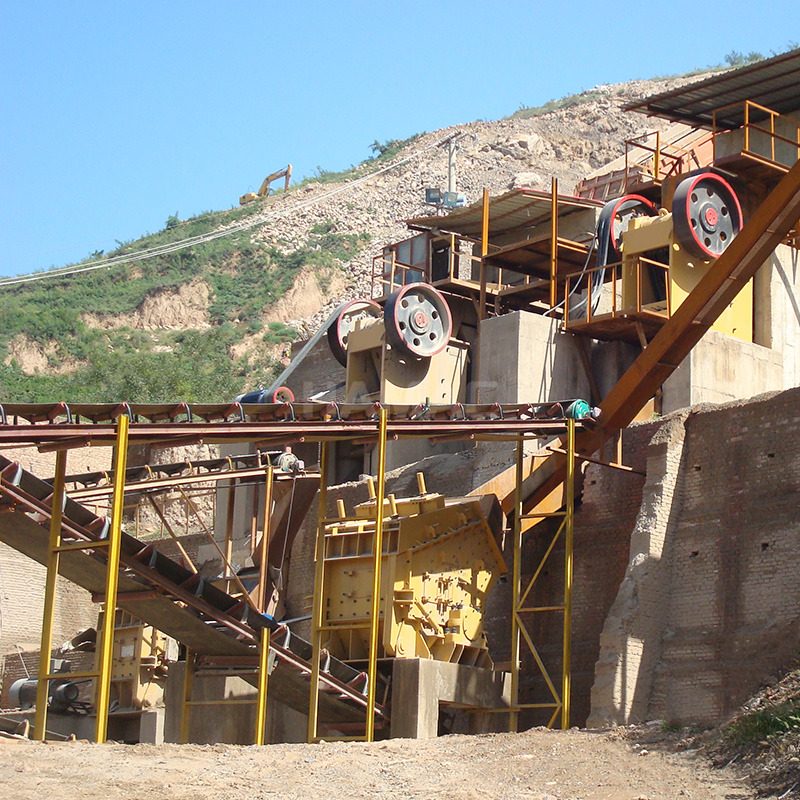
Différences au niveau du principe de fonctionnement
A jaw crusher compresses rock between a fixed and a moving plate in a deep chamber — it is a primary machine. A cone crusher compresses material between a gyrating mantle and concave — a secondary / tertiary machine for hard rock. An impact crusher accelerates rock into blow bars and impact plates — a high-reduction, shape-improving machine for softer material. A VSI uses rock-on-rock impact for sand making and aggregate shaping.
Comparaison côte à côte
| Critères | Concasseur à mâchoires | Concasseur à cône | Concasseur à percussion |
|---|---|---|---|
| Étage de circuit | Primaire | Secondaire / supérieur | Secondaire (roche tendre, recyclage) |
| Action de broyage | Compression | Compression | Impact |
| Roche dure et abrasive | Excellent | Excellent | Coût élevé lié à l'usure |
| Forme du produit | Acceptable, un peu plus friable | Bon, avec une chambre correcte | Excellent, cubique |
| Rapport de réduction | Modéré | Modéré | Élevé |
| Utilisation courante | Roches de carrière dynamitées | Granit, basalte, minerai | Calcaire, béton, asphalte |
Mobile ou fixe, à chenilles ou à roues
Wheel mobile plants are road-transportable and quickest to commission. Tracked plants add crawler mobility and on-board generators for rough, off-grid sites. Modular stations sit between mobile and fixed plants. A conventional stationary line gives the lowest cost per tonne at high, steady output. See the full decision guide.
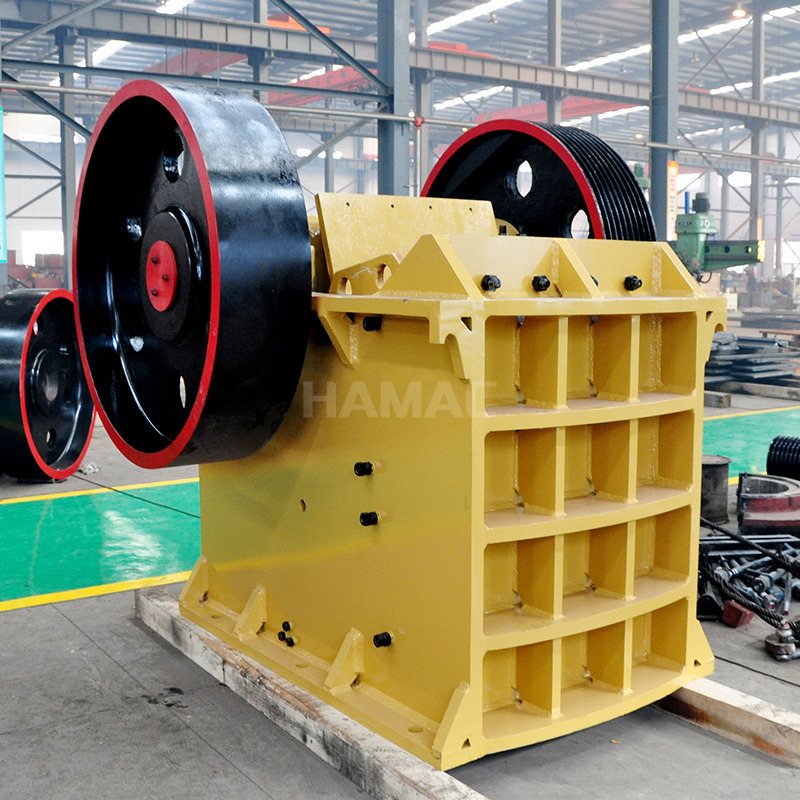
Lequel devriez-vous acheter ?
Commencez par analyser le matériau. Roches dures, abrasives et à forte teneur en silice → concasseur à mâchoires + concasseur à cône (+ VSI si vous avez besoin de sable artificiel). Roche tendre, à faible teneur en silice ou déchets de démolition → concasseur à mâchoires + concasseur à percussion. Projet de courte durée, plusieurs chantiers, pas d'alimentation électrique par le réseau → installation mobile sur chenilles ou sur roues. Carrière permanente à fort tonnage → installation fixe, avec une option modulaire si les travaux de génie civil sont coûteux.