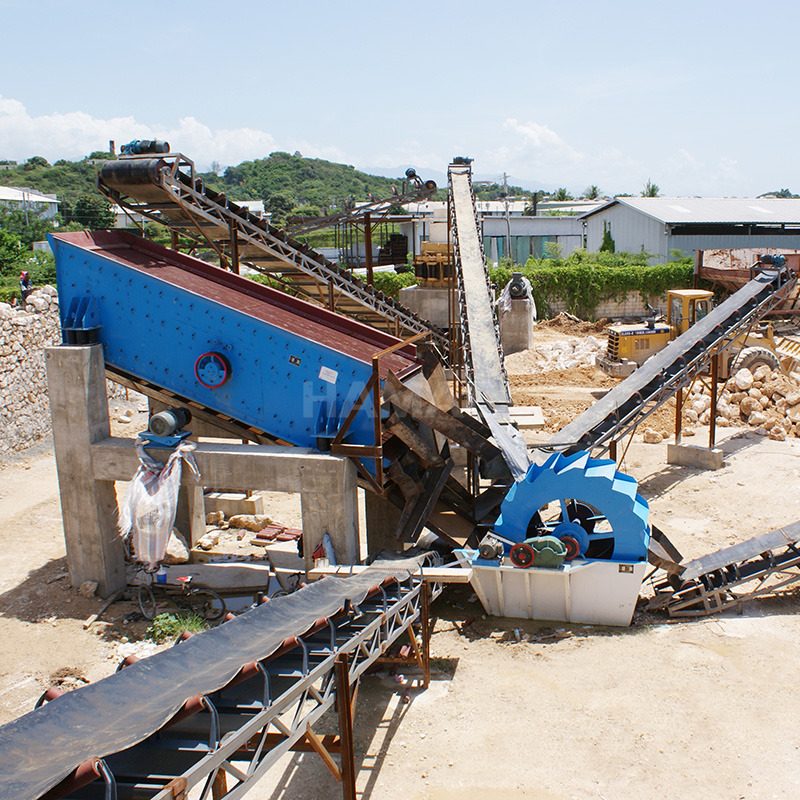
ما الذي تتضمنه محطة تكسير الصخور الصلبة من النوع 550-650t/h؟
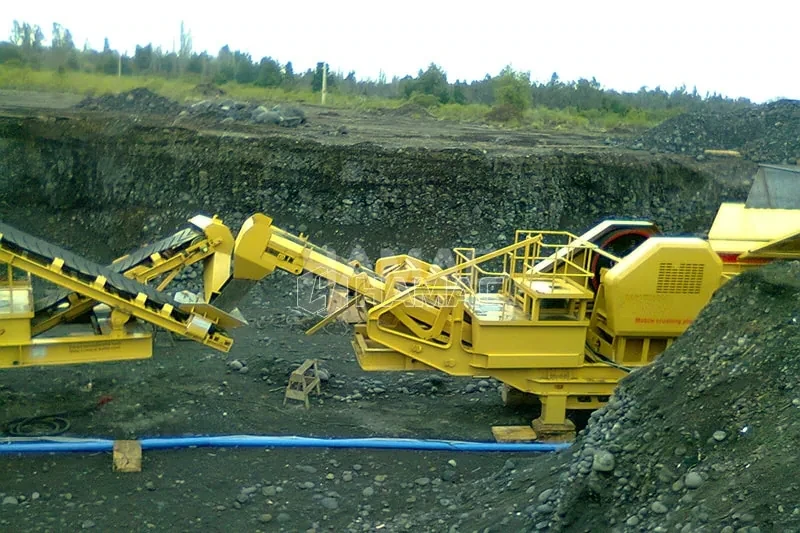
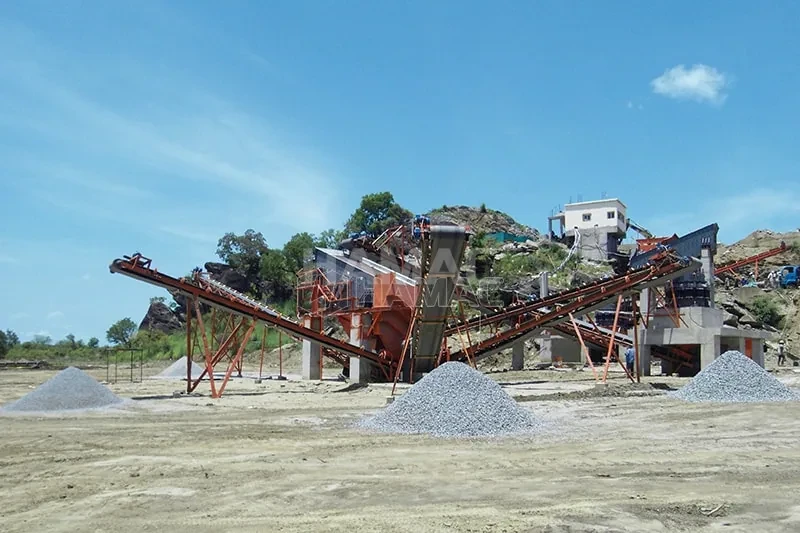
550-650t/h Hard Rock Crushing Plant is a HAMAC engineered process design rated at 550–650 t/h, built around two- or three-stage compression crushing. A standard proposal includes the equipment list, process flow diagram, plant layout, power requirement, foundation reference, container loading plan and a budget quotation — prepared from your raw material, feed size and product specification.
The 550-650t/h hard rock crushing plant is engineered for large-scale mining and construction operations, offering exceptional capacity and reliability to process tough rock materials efficiently and cost-effectively.
The single biggest mistake in plant budgeting is sizing the crusher on rated t/h while ignoring the screening area, conveyor capacity and surge buffer. HAMAC engineers size every stage against 550–650 t/h of saleable product, not against the crusher's theoretical maximum.
تدفق العملية وتكوين المعدات
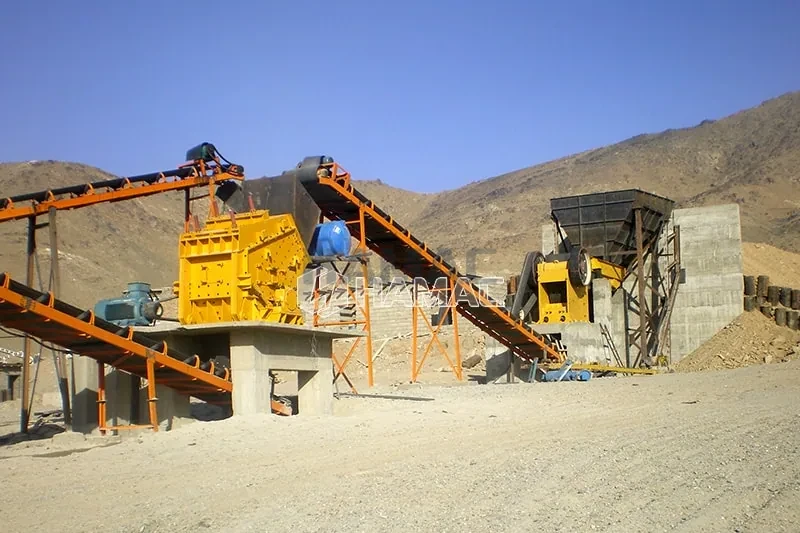
تتبع محطة تكسير الصخور الصلبة من النوع 550-650t/h التسلسل التالي. ويتم اختيار طرازات المعدات بعد التأكد من نتائج اختبار المواد وتصنيف المنتج:
- تستقبل وحدة التغذية الاهتزازية الصخور التي تم تفجيرها من القادوس وتقوم بفصل الجسيمات الدقيقة.
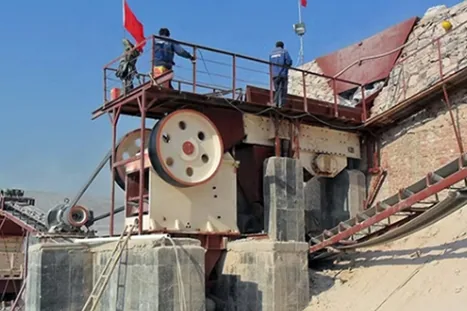
- تقوم الكسارة الفكية بالتكسير الأولي حتى حجم يبلغ تقريبًا 100–250 ملم.
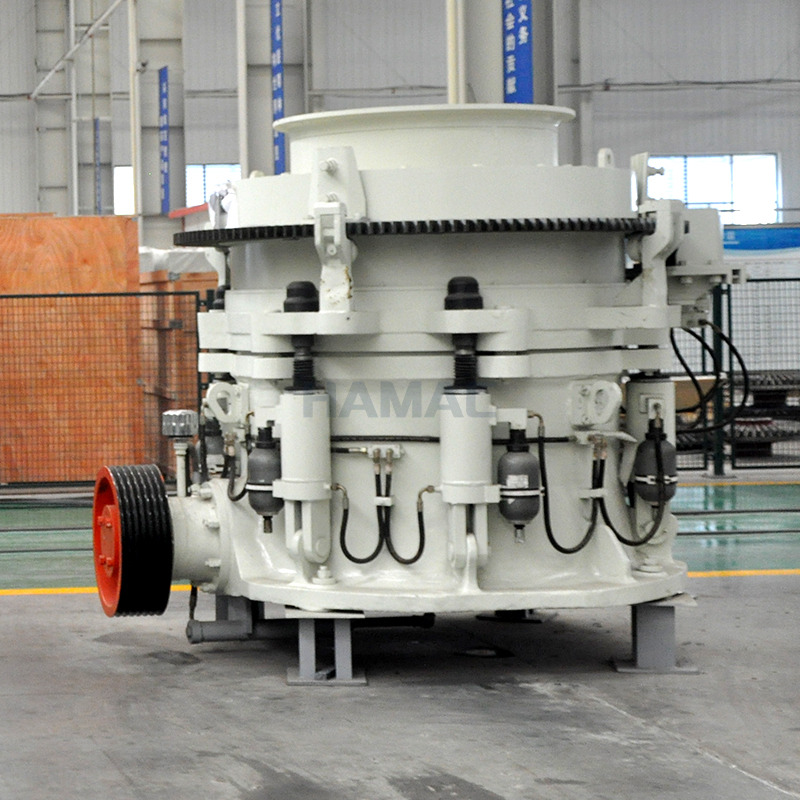
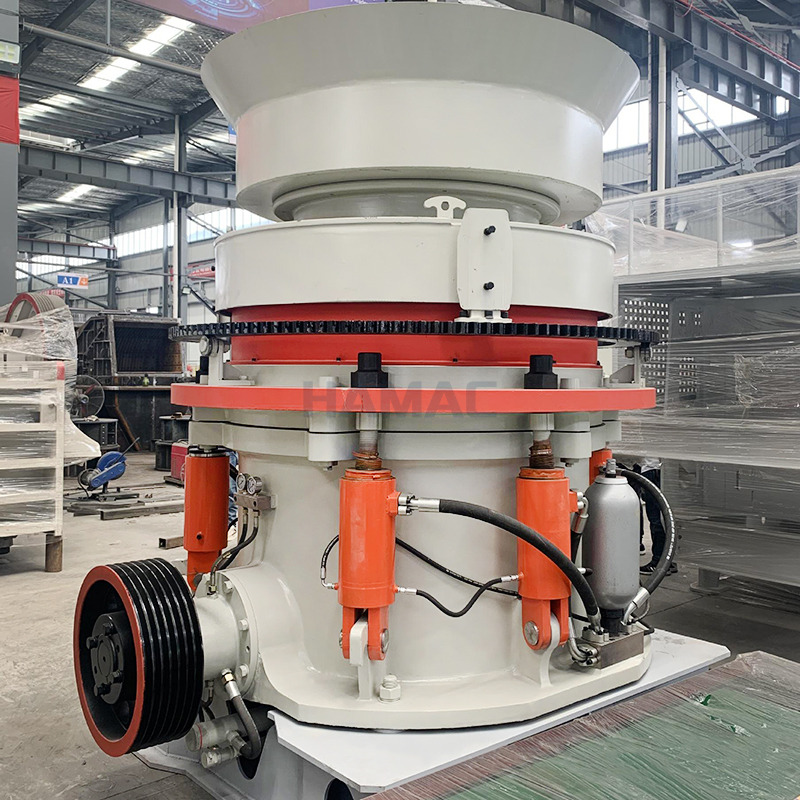
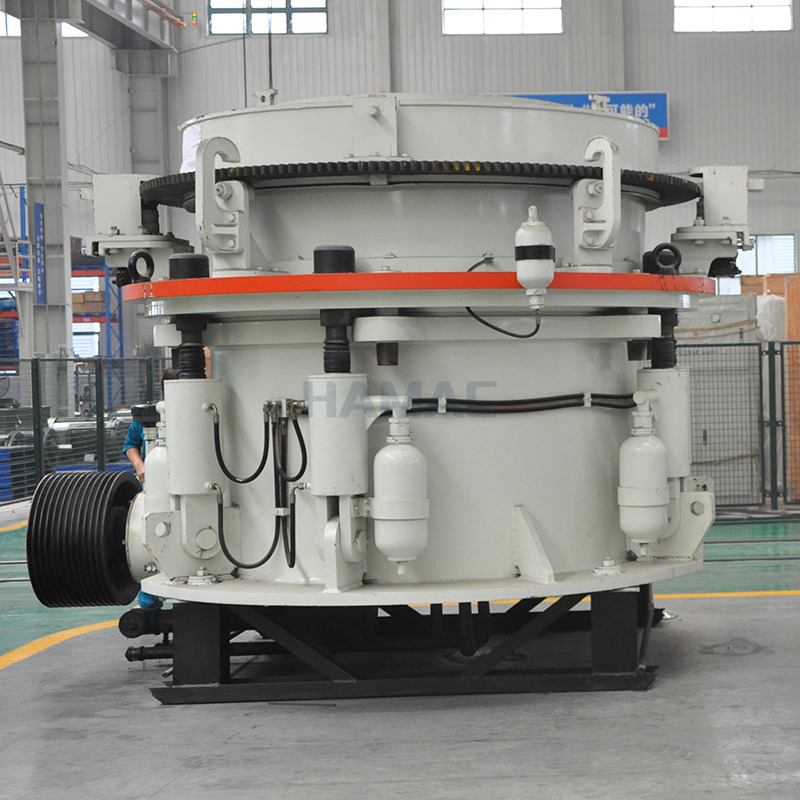
- تقوم الكسارة المخروطية الهيدروليكية بعملية التكسير بالضغط الثانوية (والثالثة اختياريًّا).
- تقوم الغرابيل الاهتزازية متعددة الطبقات بفصل فئات الركام المطلوبة.
- تُعاد المواد الزائدة الحجم إلى الكسارة في دائرة مغلقة؛ بينما تعمل الناقلات الحزامية على تكوين أكوام التخزين.
| طاقة المحطة | الآلات الرئيسية النموذجية | ملاحظة على الدورة |
|---|---|---|
| 50–100 طن/ساعة | PE500×750 / PE600×900 فك + PF1010 صدمة أو مخروط صغير | 1–2 منصات الفرز، 1 وحدة متنقلة أو خط إنتاج ثابت صغير الحجم |
| 100–200 طن/ساعة | PE750×1060 الفك + HPT200 / PF1214 + شاشة 3YK1860 | النطاق الأكثر شيوعاً لمشاريع المحاجر والمقاولين |
| 200–300 طن/ساعة | PE900×1200 فك + HPT300 / HP300 + شاشة 3YK2160 | تكسير على مرحلتين مع غربلة بدورة مغلقة |
| 300–500 طن/ساعة | PE1000×1200 / كسارة من طراز C110 + كسارتان مخروطيتان + غرابيل من طراز 3YK2460 | يتطلب تصميماً مناسباً للمخزون والناقلات ومكافحة الغبار |
| 500–1000+ طن/ساعة | خطوط تكسير متوازية متعددة + أبراج غربلة معيارية | مصممة كمحطة متكاملة تشمل الكهرباء والأعمال المدنية والأتمتة |
See the full equipment catalogue for jaw, cone, impact, VSI, screen, feeder and conveyor model data.
ما الذي يحدد التصميم النهائي للمحطة؟
- Material properties. Compressive strength, silica / abrasiveness, moisture and clay content decide whether compression or impact crushing is economical at 550–650 t/h.
- Feed and product. Maximum block size and the number of saleable fractions decide crusher setting, screen decks and recirculation load.
- Site conditions. Available grid power, terrain, space, haul distance and relocation frequency decide stationary, modular, wheel-mobile or tracked equipment.
- Environmental rules. Dust suppression, noise enclosures and water recycling are sized to local permits.
- Commercial terms. FOB / CFR / CIF, voltage and frequency, spare-parts package, installation supervision and operator training.
HAMAC has delivered plants in Oman, Iraq, Jamaica, Chile, Algeria, Guinea, the Philippines, South Sudan, Tanzania, Vietnam, South Africa and Russia. Review the project references to see real configurations, materials and capacities.
محركات الميزانية وتكاليف التشغيل
For a 550–650 t/h plant, capital cost is driven by the number of crushing stages, crusher size, mobility, generator requirement and the amount of steel structure and conveyor. Operating cost per tonne is driven mainly by energy, wear parts and downtime — in abrasive rock, liners and blow bars dominate.
Useful reading: crusher plant cost guide, operating cost per tonne, and stationary vs mobile plant comparison. For an itemised budget, send your project data.